الفصل ۲۱٫۱: الكذب في الحرب
21.1 Lying In War
كُلُّ الْكَذِبِ حَرَامٌ قَطْعًا بِنَصٍّ قُرْآنِيٍّ صَرِيحٍ، وَهُوَ مِنَ الْأُمُورِ الْمَعْلُومَةِ مِنَ الدِّينِ بِالضَّرُورَةِ، مِنْ غَيْرِ تَفْرِيقٍ بَيْنَ أَنْ يَكُونَ لِمَصْلَحَةِ الْمُسْلِمِينَ أَوْ لِمَصَالِحِ الدِّينِ أَوْ عَلَى خِلَافِ ذَلِكَ. وَقَدْ جَاءَتِ النُّصُوصُ بِتَحْرِيمِهِ عَامًّا مُطْلَقًا مِنْ غَيْرِ تَعْلِيلٍ. قَالَ اللهُ عَزَّ وَجَلَّ:
All lying is definitely haram due to a definite Qur’anic text, and its prohibition is among the rules known from the deen by necessity, without distinction as to whether it is for the benefit of Muslims or the interests of the deen or opposite to that. The texts came forbidding it generally, absolutely and without reasoning. Allah (swt) said:
إِنَّمَا يَفْتَرِي الْكَذِبَ الَّذِينَ لَا يُؤْمِنُونَ بِآيَاتِ اللَّهِ [TMQ 16:105]
“Verily those who fabricate lies are those who disbelieve in the ayat of Allah” [TMQ 16:105]
قال الله سبحانه وتعالى:
And Allah (swt) said:
فَلْنَبْتَهِلْ وَنَجْعَلْ لَعْنَةَ اللَّهِ عَلَى الْكَاذِبِينَ [آل عمران: ٦١]
“Then let us invoke (nabtahil) and make the curse of Allah upon the liar” [TMQ 3:61].
هذا الحكم، وإطلاقه وعمومه، لا يُعقَل ولا يُقيَّد ولا يُخصَّص إلا بنصٍّ آخر، وليس للعقل مدخلٌ فيه إلا فهمُ النص، لا غير. ولم يَرِد في الصحيح نصٌّ يُعلِّل ذلك أو يُقيِّده، لا في الكتاب ولا في السنة. أما تخصيص النص، فقد ورد فيه نصٌّ استثنى من تحريم الكذب أموراً معينة هي التي خُصَّت وحدها، ولا يجوز تجاوزها بحالٍ من الأحوال. فلا يُستثنى من تحريم الكذب شيءٌ إلا ما خصَّه الدليلُ المذكورُ في الأحاديث، وهو: حالُ الحرب، والكذبُ على المرأة، والإصلاحُ بين اثنين، لورود النص فيها. روى أحمد ومسلم وأبو داود عن أم كلثوم بنت عقبة رضي الله عنها قالت:
This decision, its absoluteness and generality cannot be reasoned, restricted or specified except by another text, and there is no entry for the mind except to understand the text and nothing else. There did not come in the Sahih any text which gives any reasoning or restriction, whether in the Book or Sunnah. As for specifying the text, there came a text regarding it which excluded from the forbidding of lying specific things which alone were specified; it is not allowed to exceed them in any case whatsoever. Nothing is excluded from the forbidding of lying except what was specified by evidence of the mentioned in the ahadith namely: the situation of war, to the woman and reconciling between two due to the text about them. Ahmad, Muslim and Abu Dawud narrated from Umm Kulthum bint ‘Uqbah who said:
لَمْ أَسْمَعِ النَّبِيَّ ﷺ يُرَخِّصُ فِي شَيْءٍ مِمَّا يَقُولُ النَّاسُ كَذِبٌ إِلَّا فِي ثَلَاثٍ: فِي الْحَرْبِ، وَالإِصْلَاحِ بَيْنَ النَّاسِ، وَحَدِيثِ الرَّجُلِ امْرَأَتَهُ، وَحَدِيثِ الْمَرْأَةِ زَوْجَهَا.
“I did not hear the Prophet (saw) giving permission in anything over which the people say (lies) except in three: in war, reconciling between people, and the story of the man to his wife and the hadith of the woman to her husband.”
عن أسماء بنت يزيد قالت: قال رسول الله ﷺ:
From Asma bint Yazid who said: The Messenger of Allah (saw) said:
"يَا أَيُّهَا النَّاسُ، مَا لَكُمْ تَتَّبِعُونَ الْكَذِبَ كَالْفَرَاشِ يَتَّبِعُ النَّارَ؟ إِنَّ كُلَّ الْكَذِبِ عَلَى ابْنِ آدَمَ حَرَامٌ، إِلَّا فِي ثَلَاثِ حَالَاتٍ: أَنْ يَكْذِبَ الرَّجُلُ عَلَى زَوْجَتِهِ لِيُرْضِيَهَا، وَأَنْ يَكْذِبَ الرَّجُلُ فِي الْحَرْبِ، فَإِنَّ الْحَرْبَ خِدْعَةٌ، وَأَنْ يَكْذِبَ الرَّجُلُ بَيْنَ الْمُسْلِمِينَ لِيُصْلِحَ بَيْنَهُمْ."
“O you people, what has carried to you follow lying like the moths following fire? All lying from the son of Adam is haram except in three situations: the man lying to his wife to please her, the man lying in war as war is deceit and the man lying between Muslims to reconcile between them.”
هؤلاء الثلاثة من المستثنين من تحريم الكذب بنصٍّ صحيح، فلا يجوز الكذب في غير ذلك، إذ لا يُخصَّص من عموم النص إلا ما دلّ الدليل على تخصيصه وحده. ولفظ «في الحرب» الوارد في الحديث له معنى واحد لا غير، وهو حالة الحرب الفعلية في شأن القتال، فالكذب لا يجوز البتة إلا في حالة الحرب. وأما ما صحّ عن النبي ﷺ
These three are of those excluded from the forbidding of lying by an authentic text, so lying is not allowed in other than that as nothing is excluded from the generality of the text except what the evidence specifies alone. The word “in war” which came in the hadith has only one meaning and no more which is the situation of active war in the matter of war, so lying is absolutely not allowed except in the situation of war. As for what is authenticated from the Prophet (saw)
أَنَّهُ كَانَ إِذَا أَرَادَ غَزْوَةً وَرَّى بِغَيْرِهَا
“That when he intended war, he would conceal in other than that”;
المعنى أنه كان إذا أراد أمرًا لا يُظهره، كأن يريد الغزو نحو جهة الشرق فيسأل عن أمر في جهة الغرب، حتى يظن من سمعه ورآه أنه يقصد جهة الغرب. أما قوله صراحةً بقصد الغرب والحال أن قصده الحقيقي الشرق، فهذا لم يقع أبدًا. فليس هذا إخبارًا على خلاف الواقع، بل هو من باب التورية. وعلاوةً على ذلك، فإنه يدخل في الحرب الفعلية، وأمر الحرب، إذ إنه ذاهب إلى ساحة القتال لمواجهة العدو فعليًا، فهو من باب الخداع الذي جاء في قوله ﷺ:
The meaning is that when he intended a matter he would not show it, such as when he intended to fight towards the direction of the east he would ask about a matter in the direction of the west so that the one who heard and saw him would think that he intended the direction of the west. As for his saying clearly of his intending the west whereas his (true) intention was the east, this never occurred. So this is not informing contrary to the reality but was rather double- entendre (tawriyya). Moreover, it enters into active war, and the matter of war, since it is going to the battlefield to fight the enemy actively so it is deceit which came in his (saw) statement:
"الحَرْبُ خَدْعَةٌ" (رواه مسلم)
“War is deceit” (narrated by Muslim)
أَمَّا مَا رُوِيَ عَنْ جَابِرٍ أَنَّ رَسُولَ اللَّهِ ﷺ قَالَ:
As for what was narrated by Jabir that the Messenger of Allah (saw) said:

"من يتولى كعب بن الأشرف، فقد آذى الله ورسوله؟" فقال محمد بن مسلمة: أتحب أن أقتله يا رسول الله؟ قال: نعم. قال: فأْذَنْ لي أن أقول (شيئاً). قال: قد فعلت. قال: فأتاه فقال: إن هذا الرجل ﷺ قد سألنا صدقة وعنّانا. قال: والله لتملّنّه. قال: فلم يزل يكلّمه حتى تمكّن من التغلّب عليه فقتله.
“Who will deal with K’ab bin Al-Ashraf for he has annoyed Allah and His Messenger? Muhammad bin Maslamah: Would you like for me to kill him, O Messenger of Allah? He said: Yes. He said: Then give me permission to tell (lies). He said: I have done so. He said: So he reached him and said: Verily this one i.e. the Prophet (saw)—has put us to task and has asked us for sadaqah. He said: By Allah similarly we have followed him and we dislike leaving him until we see where his matter will reach: He said: He did not stop talking to him until he had a chance to overpower him and killed him.”
وكان هذا أيضًا في حالة الحرب. ومع أن ألفاظ الحديث تدل على أن ما قاله محمد بن مسلمة كان صدقًا لا كذبًا، إذ كان من باب التورية، إلا أن محمد بن مسلمة استأذن أن يقول كل شيء، فأُذن له في ذلك. فيدخل فيه الإذن بالكذب تصريحًا وتعريضًا، ويدخل في حالة الحرب. أما ما رواه أحمد والنسائي من قصة الحجاج بن علاط في استئذانه أن يقول فيه ما شاء لمصلحته في استنقاذ ماله من أهل مكة، فأذن له النبي ﷺ، فأخبر أهل مكة أن خيبر قد غلبت المسلمين؛ فهذا أيضًا يدخل في حالة الحرب، لأن أهل مكة كانوا في حالة حرب فعلية مع المسلمين. والحجاج بن علاط كان من المسلمين، وكان يقصد الكفار أعداءه الذين هم في حالة حرب فعلية، فجاز الكذب عليهم. وإذن الكذب ليس مقصورًا على ميدان القتال ولا على المقاتلين، بل يجوز للمسلمين أن يكذبوا على أعدائهم الكفار إذا كانوا في حالة حرب فعلية معهم. أما ما أخرجه الطبراني في الأوسط فـ
This was also in the situation of war. Even if the words of the hadith state that the words which Muhammad bin Maslamah said were true, not false, as it was only allusion but Muhammad bin Maslamah asked permission to say everything and it was permitted to him. So it enters within it the permission to lie explicitly and metaphorically, and it enters into the situation of war. As for what Ahmad and An-Nisai narrated from the tale of Al-Hajjaj bin ‘Ilat in his seeking permission to say about him whatever he wished for his benefit in rescuing his property from the people of Makkah. The Prophet (saw) gave him permission and he informed the people of Makkah that Khayber had defeated the Muslims; this also enters into the situation of war because the people of Makkah were in a situation of active war with the Muslims. Al-Hajjaj bin ‘Ilat was from the Muslims and he was going to the enemy disbelievers who were in the situation of active war, so lying was allowed against them. The permission of lying is not restricted to the battlefield nor to fighters; rather it is allowed for the Muslims to lie against their enemies, the disbelievers, if they are in the situation of active war with them. As for was extracted by At-Tabarani in Al-Awsat:
كُلُّ كَذِبٍ مَعْصِيَةٌ إِلَّا مَا يَنْتَفِعُ بِهِ الْمُسْلِمُ، أَوْ مَا يَدْفَعُ بِهِ عَنْ دِينِهِ
“All lying is sinful except that by which a Muslim benefits or by which he defends his deen”
The message you sent is incomplete: it ends at "with the words:" and no text follows. Please paste the hadith or passage you want translated, and I will translate it into Arabic.
This is in Al-Bazzar with the words:
"الْكَذِبُ مَكْتُوبٌ عَلَى ابْنِ آدَمَ إِلَّا مَا كَانَ فِيهِ نَفْعُ الْمُسْلِمِ أَوْ دَفْعُ الضُّرِّ عَنْهُ"
“Lying is written except that by which a Muslim benefits or by which he defends it”,
قيل في مجمع الزوائد: في سندِه رشدين وعبد الرحمن بن زياد بن أنعم، وكلاهما ضعيف، فهو حديث ضعيف مردود لا يُحتجّ به، فلا يصلح للاستدلال.
It was said in Majmu’ Al-Zawaid: In its chain is Rushdayn and Abdurrahman bin Ziyad bin An’am, and both are weak so it is a weak hadith which is rejected and not used as a proof. So it is not suitable as evidence.
فعليه فإن الكذب كله حرام ولا يجوز إلا في ثلاثة أمور: في الحرب، وفي الإصلاح بين الناس، وحديث الرجل لامرأته وحديث المرأة لزوجها. وما عداها فهو حرام قطعاً، لأن النهي عن الكذب ورد عامّاً في القرآن شاملاً لكل كذب، ثم جاء الحديث فخصّصه في غير الحرب والإصلاح بين الناس وحديث الرجل لامرأته وحديث المرأة لزوجها. فقد استثنى هذه الثلاثة من النهي، فهي وحدها المباحة، وما سواها حرام. لا سيما وأن الحديث قصر الإباحة على الثلاثة وقال:
Accordingly all lying is haram and not allowed except in three (matters): in war, reconciling between people, and the story of the man to his wife and the story of the woman to her husband. Everything else is definitely haram as the forbiddance of lying came generally in the Qur’an covering all lying, then the hadith came specifying it in other than war, reconciling between people, and the story of the man to his wife and the story of the woman to her husband. It excluded these three from the forbidding so they alone are allowed and everything else is haram. Particularly since the hadith restricted the permissibility to three and said:
كُلُّ الكَذِبِ مِنِ ابْنِ آدَمَ حَرَامٌ إِلَّا فِي ثَلَاثِ حَالَاتٍ
“All lying from the son of Adam is haram except in three situations”
و
And
لَمْ أَسْمَعِ النَّبِيَّ ﷺ يُرَخِّصُ فِي شَيْءٍ مِمَّا يَقُولُ النَّاسُ إِلَّا فِي ثَلَاثٍ: الْحَرْبِ…
“I did not hear the Prophet giving permission in anything of what the people say except in three: war…”
هذا الحصر يعني أن كل ما سواه حرام. وجميع الأحاديث التي وردت في حالة الحرب الفعلية، وكل الأحاديث غير ذلك ضعيفة لا يُحتج بها (ص)
Etc. This restriction means all other is haram. All the ahadith which came are in the situation of active war; all ahadith other than them are weak and are not used as proof (s)
وأما التورية في غير الحرب، فإن فهم السامع منها خلاف الحقيقة، كأن لا تدل اللفظة على الحقيقة بل على شيء آخر لغةً أو اصطلاحاً عاماً عند المتكلم والسامع، فهذا كذب لا يجوز. ومثاله أن يُعطي قوم لفظةً معنىً اصطلاحياً خاصاً، ثم يقولونها لمن لا يعرف هذا الاصطلاح، أو أن يكون اصطلاحاً خاصاً للمتكلم دون أن يعرفه السامع، فكل هذا كذبٌ لا يجوز. بل ولو كانت تورية من المتكلم، لكن السامع فهم من اللفظة خلاف الحقيقة، فهذا لا يُعدّ من باب التورية ولا يجوز. وأما إذا كان السامع يفهم من اللفظة الحقيقة ومعنىً آخر، فهذا من أنواع البلاغة، وهو صدق لا كذب، كقولهم لمن في عينه حَوَل: «ليت عينيه استوتا»، فهو يصلح أن يكون دعاءً له أو عليه. والتورية هي أن يكون للفظ معنيان، أحدهما قريب والآخر بعيد، فيقصد المتكلم المعنى البعيد، بينما يفهم السامع المعنى القريب. وفي هذه الحال، وإن فهم السامع خلاف ما يقصده المتكلم، فإنه لا يفهم خلاف الحقيقة التي تدل عليها الجملة. وقد استعمل النبي ﷺ التورية، ففي صحيح البخاري أن أنس بن مالك رضي الله عنه قال:
As for dissimulation/double entendre in other than war, if the listener understands it contrary to the reality such as where the word does not indicate the reality and something else linguistically or in technical usage generally with the speaker and listener, it is lying which is not allowed. Such as where a specific group gives a technical definition for a word and then say it to someone who does not know this technical definition or where it is a technical definition for a speaker but the listener does not know it, all of this is lying which is not allowed. Even if it were dissimulation/double entendre by the speaker but the listener understands from the word the opposite to the reality, so it is not considered from the type of double entendre (tawriyya) and is not allowed. As for where it is understood from the word is the reality and something else, this is from the species of eloquence (balagha). It is truth and not lying like their saying to the squint eyed: ‘If only both his eyes were equal’, it is suitable as an invocation for or against him. Dissimulation is that the word has two meanings, one which is near and the other remote; the speaker intends the remote meaning while the listener understands (it as) the near meaning. In this situation, even though the listener understands contrary to what the speaker intends nevertheless he does not understand contrary to the reality indicated by the sentence. The Prophet (saw) used dissimulation. In Sahih Al-Bukhari that Anas bin Malik (ra) said:
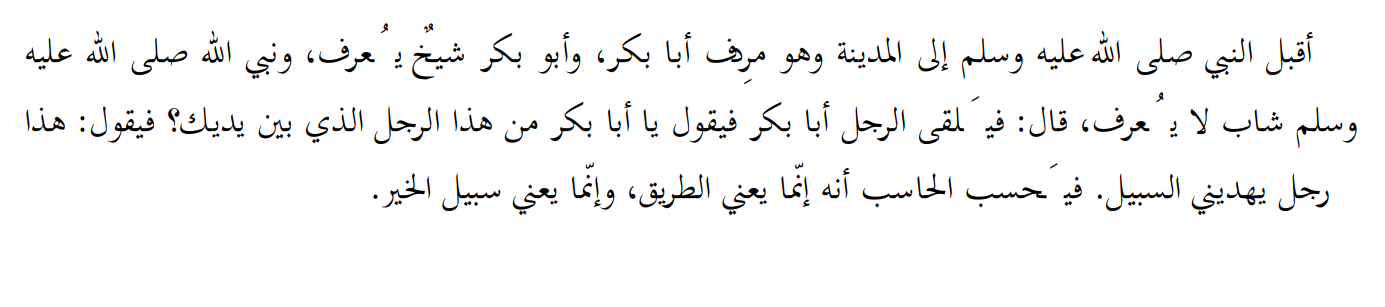
خرج رسول الله ﷺ متوجهاً إلى المدينة، وكان أبو بكر يتبعه. وكان أبو بكر شيخاً معروفاً، وكان رسول الله ﷺ شاباً غير معروف. قال: لقيَ رجلٌ أبا بكر فقال: يا أبا بكر، مَن هذا الرجل الذي أمامك؟ قال: هذا الرجل يهديني السبيل. قال: فيظن المتفكر أنه يعني الطريق، والحال أنه كان يعني سبيل الخير.
“The Prophet of Allah (saw) headed for Madinah and he was followed by Abu Bakr. Abu Bakr was a well known old man and the Prophet of Allah (saw) was an unknown youth. He said: A man met Abu Bakr saying: O Abu Bakr, who is this man before you? He said: This man is showing me the way. He said: A thinker would think that he meant the road whereas he meant the road to goodness.”