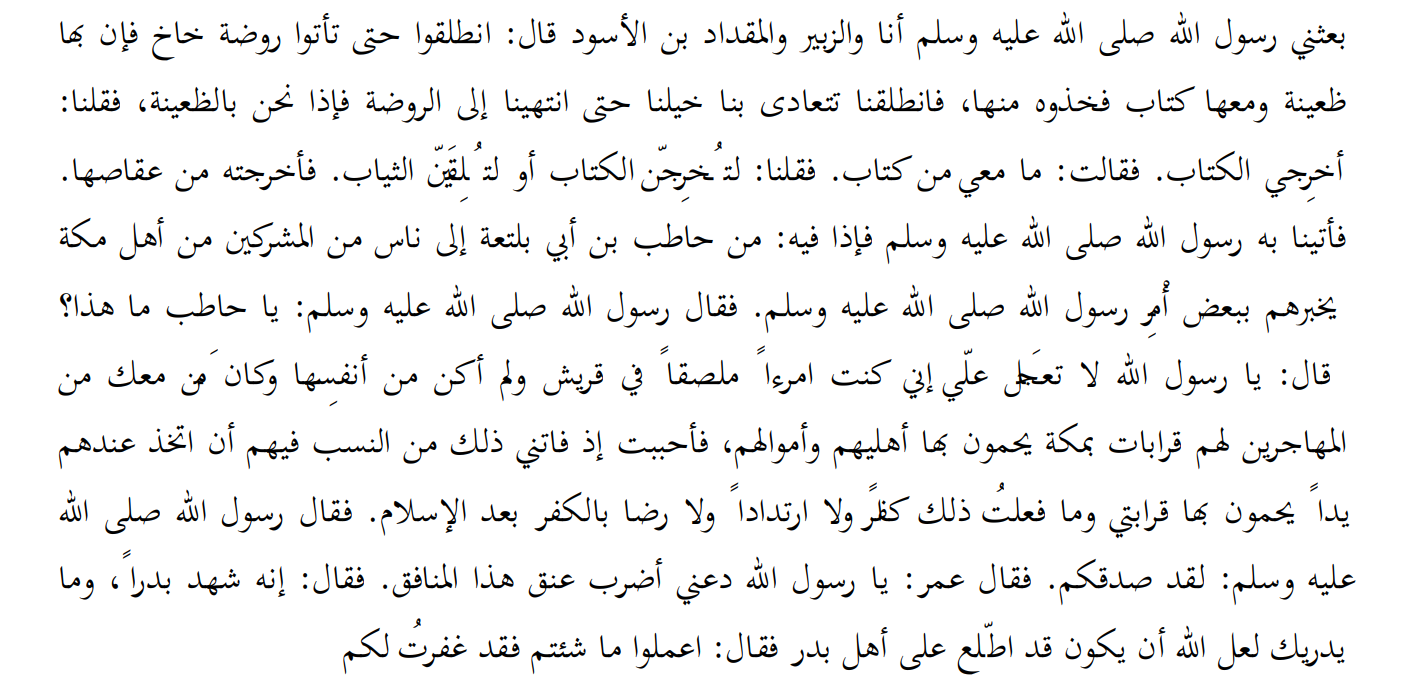
আল্লাহ এই আয়াতে গুপ্তচরবৃত্তি (তাজাস্সুস) নিষিদ্ধ করেছেন। এই নিষেধাজ্ঞা সাধারণ, যা সব ধরনের গুপ্তচরবৃত্তিকে অন্তর্ভুক্ত করে - তা নিজের জন্য হোক বা অন্য কারও জন্য, রাষ্ট্রের জন্য হোক বা ব্যক্তি কিংবা দলের জন্য, এবং যিনি তা করেন তিনি শাসক হোন বা শাসিত। বক্তব্যটিও সাধারণ, যেখানে যা-ই গুপ্তচরবৃত্তি বলে গণ্য হয়, সেখানেই তা প্রযোজ্য।
So Allah prohibited spying in the ayah. This prohibition is general covering all spying whether it is spying for himself or anyone, whether it is for the State or individuals or groups, and whether the one performing it i.e. the spying is the ruler or the ruled. The speech is general covering everything applying upon it that it is spying.
এখানে প্রশ্ন ওঠে: মুসলমানের জন্য কি তদন্ত বিভাগ বা গোয়েন্দা বিভাগ কিংবা অন্য এমন বিভাগে কর্মকর্তা হিসেবে কাজ করা জায়েয, যেখানে তার কাজ, বা তার একটি অংশ, গুপ্তচরবৃত্তি? উত্তর নির্ভর করে। যদি সেই দপ্তরের কাজ হয় মুসলমানদের বা তাদের মতো নাগরিক যিম্মিদের উপর গুপ্তচরবৃত্তি করা, তবে কুরআনের সুস্পষ্ট বক্তব্য অনুযায়ী তা হারাম। যিম্মি যেমন মুসলমানের জন্য নিষিদ্ধ, তেমনি দারুল ইসলামে বসবাসকারী যিম্মিকেও ইসলামী বিধান নিজের উপর বাস্তবায়ন করতে বলা হয়েছে, কেবল আকীদা ও ইবাদতের বিষয় ছাড়া, আর এটি সেই বিষয়ের অন্তর্ভুক্ত নয়। আর যদি দপ্তরের কাজ হয় চুক্তিবদ্ধ বা নিরাপত্তাপ্রাপ্ত সেই যুদ্ধরত কাফিরদের উপর গুপ্তচরবৃত্তি করা, যারা আমাদের দেশে প্রবেশ করে, তবে তা জায়েয। কেননা যুদ্ধরত কাফিরদের উপর গুপ্তচরবৃত্তি করা জায়েয, চাই তারা বাস্তবে যুদ্ধরত হোক বা বিধানগতভাবে, এবং চাই তারা নিজেদের দেশে থাকুক বা আমাদের দেশে।
সুতরাং তদন্ত বিভাগ ও এ জাতীয় বিভাগের অস্তিত্ব হারাম নয়, বরং ওয়াজিব; আর এর মধ্যে যা নিষিদ্ধ তা হলো মুসলমান বা মুসলমানদের নাগরিক যিম্মিদের উপর গুপ্তচরবৃত্তি করা। রাষ্ট্রের জন্য মুসলমান ও অন্যান্য নাগরিকের উপর গুপ্তচরবৃত্তির জন্য কোনো বিভাগ রাখা জায়েয নয়; বরং তাদের বিরুদ্ধে এটি নিষিদ্ধ। আর এমনও বলা যাবে না যে রাষ্ট্রের স্বার্থে নাগরিকদের তথ্য জানা প্রয়োজন, যাতে ষড়যন্ত্র উন্মোচন করা যায় এবং অপরাধীদের ধরা যায়, কারণ রাষ্ট্র পুলিশ ও রাতের টহলের মাধ্যমেই তা জানতে পারে, গুপ্তচরবৃত্তির মাধ্যমে নয়। কোনো বিষয়ে মন বা যুক্তি কল্যাণ দেখে কি না, তা দিয়ে সেটি নিষিদ্ধ বা বৈধ হয় না; শরীয়াত যাকে কল্যাণ মনে করে, কেবল সেটিই কল্যাণ। যখন কুরআনের আয়াত সুস্পষ্টভাবে কোনো কিছু নিষেধ করে, তখন সেটিকে হালাল করার জন্য যুক্তি দিয়ে তাতে কল্যাণ আছে কি না তা নিয়ে আলোচনার আর কোনো অবকাশ থাকে না, কারণ সুস্পষ্ট কুরআনী বক্তব্যের সামনে এর কোনো মূল্য নেই। কুরআন বলে: "গোয়েন্দাগিরি করো না" — এর অর্থ গোয়েন্দাগিরি নিষিদ্ধ করা, এবং আয়াতটি যা নির্দেশ করে ও এর শব্দসমূহের সুস্পষ্ট অর্থ ছাড়া অন্য কোনোভাবে এটি বোঝার উপায় নেই। এই আয়াতের ব্যাপকতাকে সীমাবদ্ধ করে কিংবা এর থেকে কোনো কিছুকে বাদ দেয় — এমন কোনো দলিল আসেনি, তাই এটি তার ব্যাপকতার উপর বহাল থাকে, যা সকল গোয়েন্দাগিরিকে অন্তর্ভুক্ত করে। সুতরাং নাগরিকদের উপর গোয়েন্দাগিরি করা মাত্রই হারাম।
Here a question arises: Is it allowed for the Muslim to work as an officer in an inquiry department or an investigative department or other departments whose work, or some of it, is spying? The response depends. If it is an office to spy upon Muslims or dhimmmis who are citizens like Muslims, then it is haram by the explicit Qur’anic text. It is prevented for the dhimmi like it is prevented for the Muslim as the dhimmi in Dar al-Islam is addressed to implement the Islamic rules upon himself except what relates to creeds and worships, and this is not part of that. If the office is spying upon belligerent disbelievers who enter our lands from the ones who have been granted security or the ones under covenant, then it is allowed as it is allowed to spy upon belligerent disbelievers whether they are belligerent in practice or by the rule and whether they are in their lands or ours. Accordingly the existence of inquiry or investigative departments and their like is not haram but obligatory and what is prohibited (haram) in them is spying upon Muslims or dhimmis who are citizens of Muslims. It is not allowed for the State to have a department to spy upon Muslims and the rest of the citizens; rather this is forbidden against them. Nor is it said that the State’s interest requires knowing the citizens’ information so as to expose conspiracies and lead to criminals because the State can know this via the method of police and night patrol not via the method of spying. Just because the mind sees benefit or not in something it is not a reason for forbiddance or allowance; only what the Shar’a sees as benefit is benefit. When the Qur’anic ayat come explicitly forbidding anything there remains no place for discussion whether there is benefit in it to reason it into making it halal, as there is no value in that in front of the explicit Qur’anic text. The Qur’an says: “Do not spy” meaning prohibition of spying, and there is no way to understand other than what the ayah indicates and the clear meaning of its words. There came no evidence specifying the generality of this ayah or excluding something from it, so it remains in its generality covering all spying so all spying upon the citizens is haram.
এটি মুসলিম বা যিম্মী নাগরিকদের উপর গুপ্তচরবৃত্তির বিষয়ে। আর মুসলিম ও যিম্মীদের পক্ষ থেকে যুদ্ধরত কাফিরদের উপর গুপ্তচরবৃত্তির ক্ষেত্রে, তারা প্রকৃতপক্ষে যুদ্ধরত হোক বা শাসনগতভাবে যুদ্ধরত হোক, এটি আয়াতের সাধারণ বিধানের আওতা থেকে বাদ পড়ে, কারণ অযুদ্ধমান কাফিরদের উপর গুপ্তচরবৃত্তি নিষিদ্ধ হওয়ার বিষয়ে হাদীসসমূহ এসেছে। আর যুদ্ধরত কাফিরদের উপর গুপ্তচরবৃত্তি মুসলিমদের জন্য বৈধ, এবং মুসলিমদের খলীফা, অর্থাৎ রাষ্ট্রের উপর তা ওয়াজিব। ইবন হিশামের সীরাতে এসেছে যে, নবী ﷺ আব্দুল্লাহ ইবন জাহশকে পাঠান এবং তার সাথে আটজন মুহাজির একটি দল দেন। তিনি তার জন্য একটি পত্র লিখে দেন এবং নির্দেশ দেন যে, দুই দিন পথ চলার আগে যেন তা না খোলেন। অতঃপর দুই দিন পথ চলার পর তিনি পত্রটি খুলে দেখেন। তাতে লেখা ছিল:
This is in relation to spying upon Muslims or dhimmis who are citizens like Muslims. As for Muslims and dhimmis spying upon belligerent disbelievers, whether they are belligerents in practice or rule, this is excluded from the generality of the ayah due to the ahadith specifying the forbiddance of spying on non-belligerent disbelievers. As for belligerent disbelievers, spying upon them is allowed for Muslims and obligatory upon the Muslims’ Khalifah i.e. upon the State. It came in the Sirah of ibn Hisham that the Prophet (saw) sent Abdullah bin Jahsh and sent with him a company of eight Muhajireen. He wrote for him a book and commanded him not to look into it until he travels two days then looks into it and executes what he was commanded without compelling any of his companions. When Abdullah bin Jahsh travelled two days, he opened the book and looked into it. It said in it: