۵.۲۹ مسلمانان؛ طعمهٔ آسان
5.29 Muslims Becoming Easy Prey
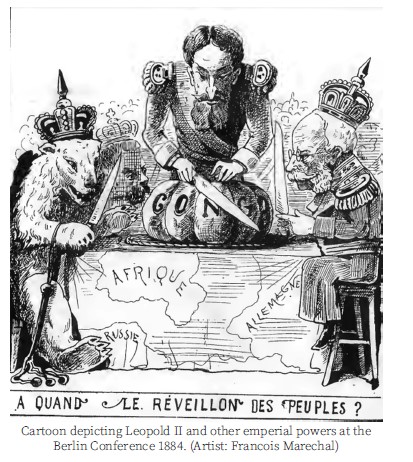
پیامبر صلیاللهعلیهوسلم همچنین پیشبینی کرد که شهوات دنیوی نهتنها امت او را آلوده خواهد کرد، بلکه سبب سقوط و نابودی آنان نیز خواهد شد. ثوبان روایت میکند که پیامبر ﷺ فرمود: «به زودی ملتها یکدیگر را فرا میخوانند تا شما را بلعند، همانگونه که میهمانان به سفرهای فراخوانده میشوند.» گفته شد: «آیا این به سبب اندک بودن ما در آن روز خواهد بود؟» فرمود: «نه، بلکه در آن روز شما بسیار خواهید بود، اما مانند کف روی آب رودخانه، بیوزن خواهید بود. و خداوند ترس از شما را از دلهای دشمنانتان خواهد زدود و در دلهای شما سستی خواهد افکند.» کسی گفت: «ای فرستاده خدا، این سستی چیست؟» فرمود: «دوستی دنیا و کراهت از مرگ.» جالب است که یک قرن پیش، شاه لئوپold دوم پادشاه بلژیک با شهرت بسیار از جاهطلبیهای استعماری خود بهعنوان «این کیک بزرگ آفریقایی» یاد کرد که قدرتهای اروپایی در کنفرانس برلین در سال ۱۸۸۴ هرگونه که خواستند آن را تکهتکه کردند. خواننده بهآسانی میتواند کاریکاتورهای سیاسی فراوان آن روزگار را بیابد که این کنفرانس را در قالب غذا تصویر کردهاند، تقریباً دقیقاً همانگونه که حدیث بالا بیان کرده بود.
The Prophet صلى الله عليه وسلم also prophesied that carnal pursuits would not only infect his nation but would be the cause of their downfall and devastation. Thawbān reports that the Prophet صلى الله عليه وسلم said, “The nations will soon invite one another to devour you, just as diners are invited to a dish.” It was said, “Will it be because of our small number on that day?” He said, “No, rather you will be many on that day, but you will be weightless foam, like the foam on the river. And Allah will remove the fear of you from the hearts of your enemies and will cast weakness into your hearts.” Someone said, “O Messenger of Allah, what will this weakness be?” He said, “The love of this world, and the hatred of death.”333 It is incredible how one century ago, King Leopold of Belgium very famously referred to his colonial ambitions as “this magnificent African cake,” which the European powers carved at will during the Berlin Conference of 1884. A person can easily find the many political cartoons of that day conceptualizing this conference in food terms, almost exactly like the hadith above had stated.
این امر تا حدی به دلیل استعارهی شاه لئوپولد بود، اما همچنین از آن روی بود که شرکتکنندگان تنها برای رسمیت بخشیدن به تقسیم آفریقا حضور داشتند، و کاملاً مطمئن بودند که این قارهی بزرگ و پرمنبع نمیتواند در برابر حرص سیریناپذیر و اشتهای امپریالیستی آنان هیچ مقاومت معناداری از خود نشان دهد.
This was in part due to King Leopold’s metaphor, but also because the attendees were only there to formalize the divisions of Africa, fully confident that the large and resourceful continent could not hold its weight in any meaningful resistance to their ravenous greed and imperial appetite.
به همین مضمون، انس بن مالک روایت میکند که پیامبر ﷺ فرمود: «هنگامی که امّت من پنج چیز را حلال بشمارد، نابودی بر آنان فرود خواهد آمد: آنگاه که دشنامدادن به یکدیگر پدیدار شود، شراب نوشیده شود، ابریشم پوشیده شود، آلات موسیقی نواخته شود، و مردان به مردان و زنان به زنان بسنده کنند.»۳۳۴ بیتردید، مسلمانان امروز از ایدئولوژیهایی که اعمال همجنسگرایانه را میپذیرند در امان نیستند. این امر حتی برای مسلمانی نمازگزار و مسجدرو نیز قابل تصور است، اگر دینداری خود را به هویتی فرهنگی تقلیل دهد؛ چنانکه پیامبر ﷺ در حدیثی که عبدالله بن عمرو روایت کرده فرمود: «قطعاً زمانی خواهد آمد که مردم در مساجد گرد هم آیند و نماز گزارند، در حالی که حتی یک مؤمن در میان آنان نیست.»335
Reinforcing this point, Anas ibn Mālik narrates that the Prophet صلى الله عليه وسلم said, “Once my nation considers five things permissible, then destruction will befall them: when cursing one another appears, wine is drunk, silk is worn, musical instruments are played, and men suffice themselves with men and women suffice themselves with women.”334 Certainly, Muslims today are not insulated from the ideologies that accept same-sex acts. This is even imaginable for a practicing, mosque-attending Muslim, if they allow their religiosity to be reduced to a cultural identity, as the Prophet صلى الله عليه وسلم said in a hadith narrated by ‘Abdullah ibn ‘Amr , “An age will surely come when people gather and pray in the mosques, while there is not a single believer amongst them.”335
333 ابوداوود، سنن ابی داوود، ۴:۱۱۱ #۴۲۹۷؛ توسط البانی در حاشیهها صحیح دانسته شده است.
333 Abū Dāwūd, Sunan Abī Dāwūd, 4:111 #4297; authenticated by al-Albāni in the comments.
334 احمد بن الحسین البیهقی، شعب الایمان (ریاض: مکتبة الرشد للنشر والتوزیع، ۲۰۰۳)، ۷:۳۲۸ شمارهٔ ۵۰۸۴؛ زنجیرهٔ سند حَسَن (قابل قبول) به گفتهٔ الألبانی در صحیح الترغیب والترهیب (ریاض: مکتبة المعارف، ۲۰۰۰)، ۲:۶۰۸ شمارهٔ ۲۳۸۶.
334 Aḥmad ibn al-Ḥusayn al-Bayhaqī, Shu‘ab al-Īmān (Riyadh: Maktabat al-Rushd lil-Nashr wal-Tawzī’, 2003), 7:328 #5084; a ḥasan (acceptable) chain according to al-Albānī in Ṣaḥīḥ al-Targhīb wal-Tarhīb (Riyadh: Maktabat al-Maʻā rif, 2000), 2:608 #2386.
با وجود اینکه این ممنوعیتها در اینجا مطلق به نظر میرسند، عالمان با در نظر گرفتن مجموع سایر احادیث نبوی، آنها را مقید کردهاند. برای نمونه، ممنوعیت ابریشم در اینجا به مردان اختصاص دارد، آن هم در مقدار قابل توجه و در صورت نبودن ضرورت. به همین ترتیب، عموم عالمان زدن دف را، دستکم در برخی موارد، استثنایی بر ممنوعیت آلات موسیقی میدانند و برخی دامنه این تخفیف را گستردهتر کردهاند.
While these prohibitions appear absolute here, scholars have qualified them considering their cumulative read of other prophetic traditions. For instance, the prohibition of silk here is qualified by being applicable to men only, and in significant amounts, and in the absence of necessity. Similarly, scholars generally consider striking the tambourine an exception to the prohibition of musical instruments, at least on occasion, and some widen the concession further.
۳۳۵ ابوبکر بن ابی شیبہ، الإیمان (بیروت: المکتب الإسلامی، ۱۹۸۳م)، ۱:40
335 Abū Bakr ibn Abī Shaybah, Al-Īmān (Beirut: al-Maktab al-Islāmī, 1983), 1:40
روایت را البانی در حاشیهها تصحیح کرده است.
#101; authenticated by al-Albānī in the comments.