I can help with that, but your message only contains "Article 14" and no text to translate. Please paste the article's content (in English), and I'll translate it into Pashto.
Article 14
اصلاً عمل د شریعت د حکمونو پابند دی. له همدې امله، تر هغه وخته پورې هیڅ عمل نه باید ترسره شي، څو د هغه حکم معلوم نه وي. په مقابل لوری کې شیان اصلاً مباح (جایز) دي، تر هغه وخته پورې چې د منع کولو دلیل موجود نه وي.
Actions are originally bound by the Shari’ah rules. Hence, no action should be undertaken unless its rule is known. The things on the other side are originally Mubah (permitted) as long as there is no evidence that stipulates prohibition.
مسلمان ته امر شوی دی چې خپل ټول عمل د شریعت د احکامو سره سم وکړي. الله (ج) فرمایي
The Muslim is commanded to conduct his actions according to the Shari’ah rules. Allah (swt) says

«فَلَا وَرَبِّكَ لَا يُؤْمِنُونَ حَتَّىٰ يُحَكِّمُوكَ فِيمَا شَجَرَ بَيْنَهُمْ» (سورۃ النساء: ۶۵) ﷺ. ترجمه: «نه، ستا د رب قسم، دوی به تر هغه وخته مؤمنان نه شي کیدای، څو چې ستا (ای محمده ﷺ) په هغه شي کې حاکم ونه ګرځوي چې په منځ کې یې اختلاف کوي.» او هغه (سبحانه وتعالیٰ) وایي،
“But no, by your Lord, they will not [truly] believe until they make you, [O Muhammad], judge concerning that over which they dispute among.” (TMQ 4:65). He (swt) also says,

«او هر هغه څه چې رسول ﷺ تاسو ته راکړي، هغه واخلئ، او هر هغه څه چې هغه تاسو ته منع کړي، له هغې څخه ډډه وکړئ.» (القرآن الکريم، ۵۹:۷)
“And whatever the Messenger (pbuh) has given you - take; and what he has forbidden you - refrain from.” (TMQ 59:7).
بنابراین، اصل این است که مسلمان خود را پابند احکام شریعت نگه دارد. افزون بر آن، قاعدهٔ شرعی میگوید: «قبل از آمدن شریعت حکمی نیست»۔ به عبارت دیگر، هیچ چیزی را پیش از آمدن حکم الله (سبحانه و تعالی) در آن موضوع نمیتوان حکمی داد۔ پس پیش از آمدن حکم الله (سبحانه و تعالی)، برای هیچ چیزی نباید حکمی داده شود۔ این یعنی نباید برای آن حکم اباحه داده شود، زیرا اباحه یک حکم شرعی است که باید از طریق خطاب شارع ثابت شود؛ در غیر آن نمیتوان آن را حکم شرعی شمرد۔ این از آن رو است که حکم شرعی همان کلام شارع است که به افعال مکلفان مربوط میشود۔ پس هر چیزی که در خطاب شارع ذکر نشده باشد، نمیتوان آن را حکم شرعی دانست۔ بنابراین، اباحه عدم آمدن منع نیست، بلکه آمدن دلیل شرعی است که مباح بودن را مقرر میکند؛ به عبارت دیگر، آمدن اختیار از جانب شارع میان انجام دادن و ترک کردن۔ پس اصل، پیروی از کلام شارع است، نه اباحه؛ زیرا خود حکم اباحه نیز به تأیید از کلام شارع نیاز دارد۔ این قاعده عام است و هم افعال و هم اشیا را در بر میگیرد۔ پس اگر مسلمانی بخواهد هر عملی را انجام دهد، بر او واجب است که به حکم الله (سبحانه و تعالی) در آن عمل پابند باشد۔ لذا باید آن حکم را جستجو کند تا آن را بداند و به آن عمل کند۔ به همین ترتیب، اگر مسلمانی بخواهد چیزی را بگیرد یا بدهد، هر چیزی که باشد، بر او واجب است که به حکم الله (سبحانه و تعالی) دربارهٔ آن شیء پابند باشد۔ پس باید آن حکم را جستجو کند تا آن را بداند و به آن عمل کند۔ این همان چیزی است که آیات و احادیث از راه دلالت لفظی و فهم آنها بیان کردهاند۔ لہذا، یہ یا ہے کہ ایک مسلمان کے لئے کسی بھی عمل کو انجام دینا یا کسی بھی چیز کے بارے میں شرعی حکم کے سوا کسی اور چیز پر عمل کرنا حرام ہے؛ بلکہ وہ پابند ہے کہ اپنے ہر عمل اور ہر معاملے میں شرعی حکم کی پیروی کرے۔ اللہ (سبحانہ و تعالیٰ) نے نازل فرمانے کے بعد
Therefore, the origin is that the Muslim restricts himself to the Shari’ah rules. Besides that the Shari’ah principle states: “No rule before the advent of Shari’ah”. In other words, no matter should be given any rule whatsoever before the advent of the rule of Allah (swt) pertaining it. Hence, before the advent of Allah’s (swt) rule, no matter should be given any rule. This means that it should not be given the rule of permissibility, for the Ibaha is a Shari’ah rule that must be established through the address of the Legislator; otherwise it cannot be considered a Shari’ah rule. This is so because the Shari’ah rule is the speech of the Legislator related to the actions of the worshippers. Therefore, anything that has not been mentioned in the address of the Legislator cannot be considered a Shari’ah rule. Therefore, permissibility is not the non-advent of a prohibition, it is rather the advent of Shari’ah evidence stipulating the Mubah (permitted); in other words, the advent of the choice from the Legislator to either undertake or abstain. Therefore, the origin is the abidance by the speech of the Legislator, not the Ibahah; because the rule of Ibahah itself requires a confirmation from the speech of the Legislator. This principle is general, covering the actions and the things. So if a Muslim wanted to perform any action, it would be incumbent upon him to abide by the rule of Allah (swt) pertaining that action. Therefore, he must search for that rule until he knows it and abides by it. In the same manner if a Muslim wanted to take or give anything, whatever that object may be, it is incumbent upon him to abide by the rule of Allah (swt) regarding that object. So he must search for that rule until he knows it and abides by it. This is what the verses and the hadith have indicated in their literal indication and their understanding. Therefore, it is forbidden for a Muslim to undertake any action or to act towards anything upon other than the Shari’ah rule; rather he is obliged to abide by the Shari’ah rule in every action he undertakes and in every matter. After Allah (swt) revealed

{ال یوم اکملت لکم دینکم واتممت علیکم نعمتی ورضیت لکم الاسلام دینا} (المائدہ: ۳)، او بیا وایی:
“This day I have perfected for you your religion and completed My favor upon you and have approved for you Islam as religion.” (TMQ 5:3), and after He (swt) says,
﴿وَنَزَّلْنَا عَلَيْكَ الْكِتَابَ تِبْيَانًا لِّكُلِّ شَيْءٍ﴾ (سورة النحل 16:89)، نه یوه عمل پاتې کیږي او نه یو شی، مګر دا چې الله (سبحانه وتعالی) د هغه د حکم دلیل بیان کړی دی، او د دې دواړو آیتونو په پوهیدو سره، د هیچا لپاره روا نه ده چې ادعا وکړي چې ځینې عملونه، ځینې شیان یا ځینې حالتونه د شریعت له حکم څخه خالي دي؛ یعنې شریعت یې په بشپړه توګه له پامه غورځولی دی او له همدې امله دا یې نه دی ټاکلی چې د مکلف پام دې حکم ته واړوي، بل عبارت، د هغه علت شتون چې مکلف ته یې حکم ښودلی وي؛ آیا دا واجب دی، که مندوب، که حرام، که مکروه یا مباح؟ داسې ادعا او د هغې په شان هر څه د شریعت پر وړاندې تهمت ګڼل کیږي. له همدې امله، د هیچا لپاره روا نه ده چې ووایي چې فلانی عمل جایز دی، ځکه چې د هغه په اړه د شریعت حکم نه دی ذکر شوی، او اصل دا دی چې که د شریعت حکم ذکر نه وي نو جواز دی؛ همدارنګه د هیچا لپاره روا نه ده چې ووایي چې فلانی شی جایز دی، ځکه چې د هغه په اړه د شریعت دلیل نشته، نو اصل جواز دی که د شریعت دلیل نه وي. دا ادعا کول حرام دي، ځکه هر عمل او هر شی په شریعت کې خپل دلیل لري؛ انسان باید د هغه عمل یا شي په اړه د الله (سبحانه وتعالی) حکم ولټوي، او هغه په پلې کولو سره واخلي، نه دا چې د دلیل نه شتون په بهانه یې جایز وګڼي.
“And We have sent down to you the Book as clarification for all things.” (TMQ 16:89), neither one single action, nor one single object has been left except that Allah (swt) has explained the evidence for its rule, and it is forbidden for anyone, having understood these two verses, to claim that some actions, some things or some situations are devoid of the Shari’ah rule; meaning that Shari’ah has completely ignored it and ,therefore, it failed to designate an evidence or a sign to draw the attention of the obligated to the presence of this Shari’ah rule, in other words, the presence of an Illah that indicated the rule to the person obligated to abide by it; is it Wajib, or Mandub, or Haram, or Makruh or Mubah? Such a claim and anything similar is considered a slander against Shari’ah. Therefore, it is forbidden for anyone to claim that such action is permitted because no Shari’ah rule related to it has been mentioned and the principle is that if no Shari’ah rule is mentioned it must be permitted, and in the same way it is not permitted for anyone to say that this object is permitted because there is no Shari’ah evidence related to it so the origin is permissibility if there is no Shari’ah evidence. It is forbidden to claim this because every action and everything has its evidence in Shari’ah; one must search for the rule of Allah (swt) pertaining to the action or the object to take it and apply it as opposed to making it permitted under the pretext that there is no evidence for it.
البته، څرنګه چې د شریعت حکم د شارع هغه خبره ده چې د عبادت کونکو د افعالو پورې اړه لري، نو خطاب په حقیقت کې د عبادت کونکي د فعل په اړه راغلی دی، نه د شی په اړه. دا خطاب د شی په اړه د هغه تعلق له کبله راغلی دی چې د عبادت کونکي له فعل سره لري. په دې توګه، خطاب په اصل کې د عبادت کونکي د فعل په لور متوجه دی، او شی د عبادت کونکي له فعل سره تړلی راغلی دی. دا هغه وخت هم دی کله چې خطاب د فعل په اړه وي پرته له دې چې هیڅ شی یادونه وشي، لکه څنګه چې الله (ج) فرمایي:
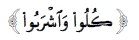
«کلوا و اشربوا» (البقرہ ۲:۶۰)، یا دا چې د عمل له ذکر پرته یوازې د شی په اړه راغلی وي، لکه د الله (ﷻ) دا ویینا:
“Eat and drink” (TMQ 2:60), or it has come regarding the object without any mention of the action whatsoever, such as Allah (swt) saying

«تُم پر حرام کیا گیا ہے: مردار، خون، اور سور کا گوشت۔» (المائدہ 5:3)۔ اس کے مطابق، ان تینوں چیزوں کی حرمت کا حکم صرف بندے کے فعل کے تعلق سے ہے، یعنی کھانے، خریدنے، بیچنے، کرائے پر لینے اور دیگر افعال کے اعتبار سے۔ پس شرعی حکم بندے کے فعل سے متعلق ہے، خواہ یہ حکم فعل کے بارے میں ہو یا چیز (مَحَل) کے بارے میں۔ اسی لیے افعال میں اصل یہ ہے کہ (وہ شرعی حکم کے ساتھ مقید ہوں)، کیونکہ خطاب صرف بندے کے فعل سے متعلق ہے۔
“Prohibited to you are dead animals, blood, the flesh of swine.” (TMQ 5:3). Accordingly, the rule of prohibition in these three things is only in relation to the action of the worshipper in terms of eating, buying, selling and hiring and other actions. Therefore, the Shari'ah rule deals with the action of the worshipper, whether this were a rule for the action or a rule for the object. This is why the origin in actions is to be restricted (to the Shari’ah rule) because the address is only related to the action of the worshipper.
لیکن د شریعت د حکمونو د تفصیلي دلیلونو په غور سره دا څرګنده کیږي چې هغه نصوص چې د حکمونو دلیلونه دي، د دې په اړه چې خطاب په څه ډول متوجه شوی دی، د عمل دلیل بڼه د هغه نص له بڼې سره توپیر لري چې د متعلق شي دلیل دی. په هغه نص کې چې د عمل پورې اړه لري، خطاب یوازې عمل ته متوجه وي، که شی ذکر شوی وي یا نه. د مثال په توګه، الله (سبحانه و تعالیٰ) فرمایي،
However, by scrutinising the elaborated evidences of the Shari’ah rules, it becomes clear that within the texts which have come as evidences of the rules, the state of the text that acts as an evidence for the action is different to the state of the text that acts as evidence for the object, in terms of the manner in which the address is directed. In the text related to the action, the address is directed to the action alone, regardless of whether the object is mentioned or not. For instance, Allah (swt) says,

«الله تعالیٰ تجارت حلال کړې ده او سود حرام کړی دی.» (ټول قرآن ۲:۲۷۵) او هغه (سبحانه وتعالیٰ) فرمایي،
“Allah has permitted trade and has forbidden interest.” (TMQ 2:275) And He (swt) says,

«ای هغو کسانو چې ایمان مو راوړی دی، له هغو کافرانو سره جنګ وکړئ چې ستاسو نږدې دي.» (التوبه: ۱۲۳) او الله (سبحانه و تعالیٰ) فرمايي،
“O you who have believed, fight those adjacent to you of the disbelievers.” (TMQ 9:123) And He (swt) says,
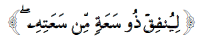
«لِيُنْفِقْ ذُو سَعَةٍ مِنْ سَعَتِهِ» (الطلاق: ۷)۔ اور اللہ (سبحانہ وتعالیٰ) فرماتا ہے،
“Let a man of wealth spend from his wealth.” (TMQ 65:7) And He (swt) says,
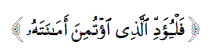
او که ستاسو څوک بل څوک ته باور وکړي، نو هغه څوک چې باور ورته شوی وي، باید خپل امانت ادا کړي. [په وفا سره] (TMQ 2:283) او الله (سبحانه و تعالی) فرمائي،
“And if one of you entrusts another, then let him who is entrusted discharge his trust [faithfully].” (TMQ 2:283) And Allah (swt) says,
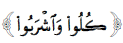
«وَكُلُوا وَاشْرَبُوا» (البقرہ ۲:۶۰)۔ او د اللہ رسول ﷺ وفرمایل۔
“Eat and drink” (TMQ 2:60). And the Messenger of Allah (pbuh) said.
.» الْبَ يِّ عَانِ بِالْخِيَارِ مَا لَمْ يَ تَ فَرَّقَا «.
.» الْبَ يِّ عَانِ بِالْخِيَارِ مَا لَمْ يَ تَ فَرَّقَا «.
د کاروباري معاملې دواړه خواوې تر هغه وخته پورې د خپلې معاملې د فسخ کولو حق لري، څو چې یو له بل نه جلا نه وي. دا حدیث د ابن عمر او نورو له لارې متفق علیه دی. او ده وفرمایل.
“Both parties in a business transaction have the righ (the choice to annul it) so long as they have not separated.” agreed upon through Ibn Umar and others. And he said.
.» أَعْطُوا الأَجِيرَ أَجْرَه «.
.» أَعْطُوا الأَجِيرَ أَجْرَه «.
«مزدور ته خپل مزد ورکړه» په دې متن کې چې ابن ماجه د ابن عمر له لارې روایت کړی، او البیهقي د ابو هریره له لارې روایت کړی، د هغه سند چې البغوي د حسن په توګه ګڼلی دی. په دې ټولو متنونو کې خطاب په عمل متوجه شوی دی، او مفعول ذکر نه دی شوی. او په نورو مثالونو کې الله (ج) فرمایي:
“Give the worker his wage” reported by Ibn Maja through Ibn Umar and Al-Bayhaqi through Abu Hurayrah with a chain that was deemed as Hasan by Al-Baghawi. In all of these texts, the address has been directed at the action, and the object has not been mentioned. And in other examples, Allah (swt) says,

او له هرې څخه تاسو تازه غوښه خورئ۔ (ژباړه: {وَمِن كُلٍّ تَأْكُلُونَ لَحْمًا طَرِيًّا}) (ټمق ۳۵:۱۲)۔ او الله (سبحانه و تعالی) فرمائي،
“And from each you eat tender meat.” (TMQ 35:12). And He (swt) says,
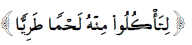
«په دې کې تازه غوښه وخورئ.» (سورۃ النحل، 16:14). او الله (سبحانه وتعالیٰ) فرمایي،
“To eat from it tender.” (TMQ 16:14). And He (swt) says,

«او په هغې [ځمکې] کې موږ غله او نور ځنې پیدا کړل، او دوی له هغې څخه خوري.» (تفسیر یاسین: ۳۶:۳۳) او الله (ج) فرمائي،
“And brought forth from it grain, and from it they eat.” (TMQ 36:33). And He (swt) says,

"بې شکه، هغه کسان چې د یتیمانو مال په ناحقه خوري." (TMQ 4:10).او الله (ج) فرمايي،
“Indeed, those who devour the property of orphans unjustly.” (TMQ 4:10).And Allah (swt) says,
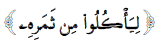
دا د هغه د میوو څخه چې وخوري. (TMQ 36:35) په دې ټولو کې خطاب هم د عمل ته متوجه دی، که څه هم مفعول ذکر شوی، او دا د عبادت کوونکي د عمل سره مستقیم تړلي خطاب ته ورته دی. دا حالت د هغه متن د حالت څخه توپیر لري چې په مفعول پورې تړلی وي، چېرې چې خطاب یوازې مفعول ته متوجه وي، که عمل هغه سره ذکر شوی وي یا نه. د مثال په توګه الله (سبحانه وتعالیٰ) فرمایي
“That they may eat of His fruit.” (TMQ 36:35). The address in all these is also directed at the action, although the object has been mentioned and this is similar to the address related directly to the action of the worshipper. This state is different to the state of the text related to the object, where the address is directed exclusively towards the object, regardless of whether the action was mentioned alongside it or not. For instance Allah (swt) says
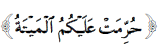
د مړو څارویو خوړل ستاسو لپاره حرام کړل شوي دي۔ (د قرآن کریم ۵:۳)۔ الله (سبحانه وتعالیٰ) همدارنګه فرمایي
“Prohibited to you are dead animals.” (TMQ 5:3). Allah (swt) also says

هغه تاسو ته یوازې مړي حیوانات، وینه او د خنزیر غوښه حرام کړې ده. (ټمق ۲:۱۷۳). الله (سبحانه و تعالیٰ) همدارنګه فرمایي
He has only forbidden to you dead animals, blood, the flesh of swine.” (TMQ 2:173). Allah (swt) also says
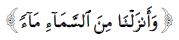
"او مونږ له آسمانه باران نازل کړ." (سورۃ المؤمنون ۱۸)۔ الله (سبحانه و تعالیٰ) وايي
“And We have sent down rain from the sky.” (TMQ 23:18).Allah (swt) also says

«او تۀ یې له اوبو هر ژوندی شی پیدا کړ.» (القرآن ۲۱:۳۰)۔ او همدارنګه د رسول الله ﷺ هغه ارشاد چې د سمندر د اوبو په اړه دی:
“And made from water every living thing.” (TMQ 21:30). Also, the saying of the Messenger of Allah (pbuh) (saw) pertaining the sea water:

ای هغه کسانو چې ایمان مو راوړی دی! بیشکه شراب، جوا، د بتانو لپاره ذبح شوي ځناور (نصب) او قرعه اچول (ازلام) د شیطان له عمل څخه ناپاکي دي، نو له دې څخه ډډه وکړئ، تر څو کامیاب شئ. الله (ج) فرمايي.
“O you who have believed, indeed, intoxicants, gambling, [sacrificing on] stone alters [to other than Allah], and divining arrows are but defilement from the work of Satan, so avoid it that you may be successful.” (TMQ 5:90). Allah (swt) says

«ایا تاسو هغه اوبه وینئ چې څښئ؟» (تفسیر ابن کثیر، سورة الواقعة 56:68). الله (سبحانه وتعالی) فرمایي:
“Have you seen the water that you drink?” (TMQ 56:68). Allah (swt) says

"آیا هغه اور وګورئ چې تاسو یې بلېږئ؟" (TMQ 56:71). الله (ج) فرمایي
“Have you seen the fire that you kindle?” (TMQ 56:71). Allah (swt) says

«او د کجورو او انګورو له میوو څخه تاسو نشهور شی اخلئ». (التحریر) Note: the verse is quoted from the Taghut-free rendering "TMQ" in the original; the Qur'anic text here follows standard Pashto rendering of Surah An-Nahl 16:67.
“And from the fruits of the palm trees and grapevines you take intoxicant.” (TMQ.16:67). Allah (swt) says

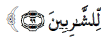
او یقیناً، تاسو لپاره د مالوګانو په پالنه کې یو عبرت دی. موږ تاسو ته د هغو د خېټو څخه څښاک درکوو، د خرابې او وینې ترمنځ - صافه شیدې چې د څښونکو لپاره خوندوره وي.
“And indeed, for you in grazing livestock is a lesson. We give you drink from what is in their bellies - between excretion and blood - pure milk, palatable to drinkers.” (TMQ 16:66).
دا ټول متنونه چې دلته راغلي، خطاب یې په هغه شی متوجه دی چې عمل ته اشاره شوې ده. داسې خطاب د هغه شي سره اړه لري، نو دا د یو حکم بيانول دي چې د هغه شي پورې تړلی دی۔ خو د دې حکم اړیکه له شي سره په دې کې څرګندیږي چې دا حکم د عبادت کوونکي د عمل له پلوه بيانیږي، نه د هغه شي له پلوه چې د بندې له عمل څخه جلا وي، ځکه داسې نه تصور کیږي چې یو شي حکم ولري پرته لدې چې د بندې سره اړیکه ولري۔ له همدې امله، د متن د حالت توپير په هغه طریقه کې ښکاره کیږي چې خطاب پکې متوجه شوی دی۔
The address in all of these texts is directed at the object, though the action has been mentioned. Such an address is related to the object; thus it is an outlining of a rule pertaining to that object. However, the rule’s relation to the object is reflected in the fact that it outlines its rule vis-à-vis the action of the worshipper, not vis-à-vis the object detached from the action of the servant, since it is inconceivable for a object to have a rule unless it is related to the servant. Therefore, the difference in the state of the text becomes clear with regard to the manner in which the address is targeted.
دا توپیر دا ښيي چې که څه هم د شریعت حکم د لمانځونکو د عملونو پورې اړوند د شارع خبره ده، خو ځينې په شيانو پورې ځانګړي شوي حکمونه راغلي دي چې د دغو شيانو حکم يې په بې قيده ډول بيان کړی، پداسې حال کې چې د دوی حکم د لمانځونکي پورې اړوند و نه د هغه څخه جلا. په کتنه سره دا ښکاره کېږي چې د شيانو احکام د يوه عام دليل له لارې راغلي دي، کوم چې بيا د عملونو دليل بيانوي، او دا چې هر هغه څه چې په ځانګړي توګه د شيانو پورې اړوند راغلي دي، په حقيقت کې د هغه عام حکم څخه استثنا ده چې د عملونو د دليل له لارې د دوی دليل شوی و. دا ځکه چې دقيقه څېړنه ښيي چې هغه شرعي نص چې خطاب يې په مستقيم ډول عمل ته متوجه دی، په عام ډول راغلی. له همدې کبله، د هغې سره اړوند ټول شيان جواز لري، ځکه چې د کولو غوښتنه يا اختيار عام و، او د هر هغه څه ټول جواز چې د دې غوښتنې په اړه جائز دی، پکې شامليږي، او د يو شي منع کول نص ته اړتيا لري. د مثال په توګه، الله (سبحانه و تعالی) فرمايي
This difference indicates that although the Shari’ah rule is the speech of the Legislator related to the actions of the worshippers some rules specified to things have however come to outline the rule of these things in an unrestricted manner, even though their rule was in relation to the worshipper as opposed to being isolated from the worshipper. Through scrutiny, this indication outlines to us that the rules of things have come through a general evidence, which in turn has come to outline the evidence of the actions, and that whatever came specifically related to things is in fact an exception from the general rule which had come as evidence for them through the evidence of the actions. This is so because detailed study has revealed that the Shari’ah text in which the address was directly targeted at the action has come in general terms. Therefore, all the things related to it would be permitted because the request to perform or the choice was general, encompassing all that which is permitted vis-à-vis this request, and the prohibition of something requires a text. For instance, Allah (swt) says

«او هغه څه چې په اسمانونو کې دي او هغه څه چې په ځمکه کې دي، ټول یې ستاسو لپاره تابع کړي دي، ټول د هغه له طرفه.» (التسلیم ۴۵:۱۳). دا پدې معنا ده چې د اسمانونو او ځمکې څیزونه د الله (جل جلاله) له خوا زموږ لپاره پیدا شوي دي، او له همدې امله جائز دي. الله (ج) فرمائي
“And He has subjected to you whatever is in the heavens and whatever is on the earth - all from Him.” (TMQ 45:13). This means that the things in the skies and the earth have been created for us by Allah, and ,therefore, are permitted. Allah (swt) also says
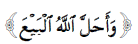
"اللہ تعالیٰ نے تجارت کو حلال کیا ہے اور سود کو حرام قرار دیا ہے۔" (TMQ 2:275) یعنی اللہ (سبحانہ و تعالیٰ) نے ہر چیز کی خرید و فروخت کو جائز قرار دیا ہے؛ لہٰذا ان چیزوں میں سے کسی کی خرید و فروخت کی اباحت پر کسی خاص دلیل کی ضرورت نہیں، کیونکہ عمومی دلیل ہر چیز کو شامل ہے۔ پس کسی چیز کی فروخت کی ممانعت، مثلاً شراب کی، کے لیے دلیل درکار ہے۔ اور اللہ (سبحانہ و تعالیٰ) فرماتا ہے Note: the Pashto script was requested, but the system instructions above say Pashto. Here is the Pashto translation: "اللہ تعالیٰ تجارت حلالوي او سود حرامولي دي." (TMQ 2:275) یعنی اللہ (سبحانہ و تعالیٰ) د ټولو شیانو خرڅلاو حلال کړی دی؛ نو د دې شیانو له کومې یوې د خرڅلاو د جواز لپاره ځانګړې دلیل ته اړتیا نشته، ځکه عمومي دلیل ټول شیان شاملوي. نو د کومې یوې شۍ، لکه شرابو د خرڅلاو منع کولو لپاره دلیل ته اړتیا ده. او اللہ (سبحانہ و تعالیٰ) فرمائي
“Allah has permitted trade and has forbidden interest (usury).” (TMQ 2:275) which means that Allah (swt) has made the buying and selling of all things permitted; thus the ibahah of selling and buying any of these things does not require an evidence, because the general evidence comprises everything. So, the prohibition of selling something, such as alcohol for instance, requires evidence. Also, Allah (swt) says
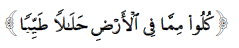
« اى انسانانو، د ځمكې څخه هغه څه وخورئ چې حلال او پاك دي.» (TMQ 2:168) چې معنا يې دا ده چې ټول خوړل حلال دي؛ نو د يو ځانګړي شى خوړل د حلال كېدو لپاره دليل ته اړتيا نه لري، ځكه عمومي دليل دا حلال كړى دى. د يو شى خوړل حرام كول، لكه مړه غوښه، دليل ته اړتيا لري. الله (سبحانه وتعالى) فرمايي
“O mankind, eat from whatever is on earth [that is] lawful and good.” (TMQ 2:168) which means that eating everything is Halal (lawful); thus the eating of a specific item does not require an evidence to make it Halal, because the general evidence has made it Halal. The prohibition of eating something, such as dead meat for instance, requires evidence. Allah (swt) says
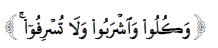
«اور کھاؤ اور پیو، لیکن اسراف نہ کرو (حد سے نہ بڑھو)۔» (التوبہ... نہیں، الاعراف 7:31) یعنی ہر چیز کا پینا جائز ہے؛ لہٰذا کسی مخصوص چیز کے پینے کے جائز ہونے کے لیے دلیل کی ضرورت نہیں، کیونکہ عام دلیل نے اسے جائز کر دیا ہے۔ البتہ کسی مخصوص چیز کے پینے کی ممانعت، جیسے کہ نشہ آور چیزیں، کے لیے دلیل درکار ہے۔
“And eat and drink, but be not excessive (extravagant).” (TMQ 7:31) which means that the drinking of everything is permitted; thus the drinking of a specific item does not require an evidence to make it permitted, because the general evidence has made it permitted. However, the prohibition of drinking a specific item, such as intoxicants for instance, requires evidence.
په دې ورته ډول، عمومي دلیلونه موجود دي چې د هغو ټولو کړنو اجازه ورکوي چې پورې اړه لري، لکه خبرې کول، تلل، لوبې کول، بوی کول، ساه اخیستل، کتل او نور کارونه چې انسان ترسره کوي؛ نو د دې کړنو سره تړلې هر شی د اجازې لپاره دلیل ته اړتیا نه لري، خو د دې کړنو سره تړلي هر شی د منع کیدو لپاره باید دلیل ولري چې هغه حرام کړي.
Similar to these, general evidences are found permitting everything related to actions such as talking, walking, playing, smelling, inhaling, looking and other actions which man performs; thus the permission of anything related to them does not require an evidence, but the prohibition of anything related to these actions does require an evidence to make it forbidden.
لہٰذا، وہ دلائل جو نصوص نے افعال کے بارے میں پیش کیے ہیں، انہوں نے اشیاء کا حکم عام اور مطلق طور پر بیان کر دیا ہے؛ اس لیے ان کے احکام بیان کرنے کے لیے دوسرے نصوص کی ضرورت نہیں۔ پس جب اشیاء کا عام حکم بیان ہو چکا، تو ان اشیاء سے متعلق خاص نصوص کا آنا اس بات کی دلیل ہے کہ یہ خاص احکام انہیں اشیاء کے عام حکم سے نکالنے کے لیے آئے ہیں۔ اسی بنا پر شریعت کے نصوص نے اشیاء کا شرعی حکم یہ بیان کیا ہے کہ وہ مباح ہیں؛ لہٰذا وہ مباح رہیں گی جب تک ان کی ممانعت پر کوئی نص موجود نہ ہو۔ اسی طریقے سے شرعی قاعدہ "الأصل في الأشياء الإباحة" اخذ کیا جاتا ہے۔ یہ اس مضمون کے دلائل ہیں۔
Therefore, the evidences brought by the texts and targeted at the actions have outlined the rule of things in a general and unrestricted manner; ,therefore, they do not require other texts to outline their rules. Thus, the advent of specific texts related to things, once the general rule of these things had been outlined, serves as evidence that these specific rules have come to exclude the rule of these things from the general rule. Hence, the Shari’ah texts have come to outline the Shari’ah rule pertaining things, denoting that they are permitted; hence, they are permitted unless a text exists to prohibit them. It is in this manner that the Shari’ah principle “The origion of things is ibahah” is derived. These are the evidences for this article.