5. الحسن بن علی
5. Al-hasan Ibn Ali
الله ترې راضی شه
May Allah Be Pleased With Him
الحسن بن علی بن ابی طالب رضی اللہ عنہما، ابو محمد، د رسول اللہ ﷺ لمسی، د هغه اولاد، او د هغه (د نبی ﷺ) په صریح خبرو سره د خلفاؤ وروستی.
Al-Hasan ibn Ali ibn Abi Talib, may Allah be pleased with him, Abu Muhammad, the grandson of the Messenger of Allah, may Allah bless him and grant him peace, his descendant and the last of the khulafa by his (the Prophet’s, may Allah bless him and grant him peace) explicit words.
ابن سعد روایت کوي چې عمران بن سليمان وویل: حسن او حسین د جنت د خلکو له نومونو څخه دي. عربو په جاهلیت کې دا نومونه نه کارول.
Ibn Sacd narrated that Tmran ibn Sulayman safd: Al-Hasan and al-Hussein are two of the names of the people of the Garden. The Arabs did not use these names in the Jahiliyyah.
الحسن رضي الله عنه د هجرت په دریمه کال د رمضان په منځ کې زیږیدلی و. د نبي کریم ﷺ څخه احادیث د هغه څخه روایت شوي دي. عائشه رضي الله عنها د هغه څخه حدیثونه روایت کړي دي، او د تابعینو یوه لویه ډله هم، له هغوی څخه د هغه زوی الحسن، ابو الحوراء ربیعة بن سنان، الشعبي، ابو وائل او ابن سیرین.
Al-Hasan, may Allah be pleased with him, was born in the middle of Ramadan in the third year of the Hijrah. Hadith have been related from him from the Prophet, may Allah bless him and grant him peace. cA’ishah, may Allah be pleased with her, related hadith from him, and a great number of the Followers, of them his son al-Hasan, Abu’l-Hawra’ Rabicah ibn Sinan, Ash-Shacbi, Abu Wa’il and Ibn Sirin.
هو کې د پیغمبر ﷺ سره ورته والی درلود. پیغمبر ﷺ هغه ته نوم حسن کېښود، د هغه د اووم ورځې په سر یوه پسه وذبح کړه، د هغه ویښته یې وتراشل، او امر یې وکړ چې د ویښتو وزن په سپینو زرو صدقه ورکړل شي. هغه د کمبل والا کورنۍ پنځم غړی و (کله چې پیغمبر ﷺ وفرمایل: ‘ای اللہ، دا زما کورنۍ دي.’) X ابو احمد العسکري وویل: دا نوم په جاهلیت کې نه و پیژندل شوی.
He resembled the Prophet, may Allah bless him and grant him peace. The Prophet, may Allah bless him and grant him peace, named him al-Hasan, slaughtered a sheep for him on his seventh day, shaved off his hair and ordered that the weight of the hair in silver should be given away as sadaqah. He was the fifth of the family of the mantle (when the Prophet, may Allah bless him and grant him peace, said, ‘O Allah, these are my family.’X Abu Ahmad al-cAskari said: This name was not known in the Jahiliyyah.
مفضل نے کہا: اللہ تعالیٰ نے حسن اور حسین کے ناموں کو چھپائے رکھا یہاں تک کہ نبی ﷺ نے انہی ناموں سے اپنے دو نواسوں کا نام رکھا۔ Note: The instructions asked for Pashto, but I'm sorry—I should correct that: here is the translation in Pashto. مفضل وویل: الله تعالیٰ د حسن او حسین نومونه پټ ساتلي و، تر دې چې د نبي ﷺ له لوري دوو نواسو ته همدغه نومونه ورکړل شول.
Al-Mufaddal said: Allah veiled the names of al-Hasan and alT h e H isto r y o f t h e K h a l ifa h s Hussein until the Prophet, may Allah bless him and grant him peace, used them to name his two grandsons.
البخاري روایت کوي چې انس وویل: د نبي کریم ﷺ په شان هیڅوک د حسن بن علي په پرتله نه و.
Al-Bukhari narrated that Anas said: No-one more resembled the Prophet, may Allah bless him and grant him peace, than al-Hasan ibn cAli.
دواړو شیخانو روایت کړی چې البراء وویل: ما وليدل چې نبي ﷺ حسن را په اوږه باندې وو او ویل یې: "اې الله! زه دا ډېر خوښوم، ته یې هم خوښه کړه." البخاري روایت کړی چې ابوبکره وویل: ما اوریدل چې نبي ﷺ په منبر باندې وو، او حسن د هغه په اړخ کې و، یوځل خلکو ته کتل او یوځل هغه ته کتل، او ویل یې: "دا زما زوی سردار دی، او امید دی چې الله په هغه له مسلمانانو د دوو ډلو تر منځ سوله جوړه کړي." البخاري روایت کړی چې ابن عمر وویل: نبي ﷺ وفرمایل: "دوی زما دوه غنچې (یا زما دوه خوشبویه بوټي) په دنیا کې دي،" يعنې حسن او حسین.
The two Shaykhs narrated that al-Bara’ said: I saw the Prophet, may Allah bless him and grant him peace, with al-Hasan upon his shoulder, saying, ‘O Allah, I love him, so love him.’ Al-Bukhari narrated that Abu Bakrah said: I heard the Prophet, may Allah bless him and grant him peace, upon the minbar, with al-Hasan by his side looking at the people one time and looking at him one time, saying, ‘This son of mine is a chief, and it is likely that through him Allah will make peace between two parties of the Muslims.’ Al-Bukhari narrated that Ibn cUmar said: The Prophet, may Allah bless him and grant him peace, said, ‘They are my two descendants (literally ‘my two sprigs of basil’ or ‘my two sweet-smelling plants [or flowers]’) in the world,’ meaning al-Hasan and al-Hussein.
الترمذي والحاكم روايت کوي چې ابو سعيد الخدري وويل: رسول الله ﷺ وفرمايل: «حسن او حسين د جنت د ځوانانو دوه مشران دي.» الترمذي روايت کوي چې اسامه بن زيد وويل: ما رسول الله ﷺ وليده، او حسن او حسين د هغه په ټنډو (هر يو په يوه ټنډه) ناست وو، او هغه وفرمايل: «دا زما دوه زامن او د لور دوه زامن دي. اې الله! زه يې سره مينه کوم، نو تا هم ورسره مينه وکړه او هغه چا سره هم چې ورسره مينه کوي.» هغه روايت کوي چې انس وويل: رسول الله ﷺ وپوښتل شو: «ستاسو د کور له خلکو ستاسو ته تر ټولو خوښ څوک دي؟» هغه وفرمايل: «حسن او حسين.» الحاكم روايت کوي چې ابن عباس وويل: رسول الله ﷺ راغى په داسې حال کې چې حسن يې په اوږه باندې وو. يو سړي ورسره ولیدل او وې ويل: «ښه بريالې سپور دی ستا دا هلک، ای هلکه!» رسول الله ﷺ وفرمايل: «او ښه بريالی سپور دی هغه هم.» ابن سعد روايت کوي چې عبدالله بن الزبير وويل: د رسول الله ﷺ د کورنۍ هغه څوک چې تر ټولو زيات د هغه سره ورته والی لري او تر ټولو زيات خوښ دی، حسن بن علي دی. ما هغه وليده چې راغى په داسې حال کې چې رسول الله ﷺ سجده کړې وه، او د هغه په اوږو (يا ويې ويل: د هغه په شا) ختلی، او تر هغه وخته يې ښکته نه کړ ترڅو چې هغه پخپله ښکته نه شو. ما هغه وليده چې رکوع کوي، او هغه به د هغه لپاره پښې پراخې کړې، ترڅو چې هغه د بلې خوا څخه تېر شي. ابن سعد روايت کوي چې ابو سلمة بن عبدالرحمن وويل:
At-Tirmidhi and al-Hakim narrated that Abu Sacid al-Khudri said: The Messenger of Allah, may Allah bless him and grant him peace, said, ‘Al-Hasan and al-Hussein are the two lords of the youth of the people of the Garden.’ At-Tirmidhi narrated that Usamah ibn Zaid said: I saw the Prophet, may Allah bless him and grant him peace, and al-Hasan and al-Hussein were upon his hips (one on each), and he said, ‘These are my two sons and the two sons of my daughter. O Allah, I love them, so love them and love whoever loves them.’ He narrated that Anas said: The Prophet, may Allah bless him and grant him peace, was asked, ‘Who of the people of your house are most beloved to you?’ He said, ‘Al-Hasan and al-Hussein.’ Al-Hakim narrated that Ibn cAbbas said: The Prophet, may Allah bless him and grant him peace, approached carrying al-Hasan on his shoulder. A man met him and said, ‘What a blessed mount you have, boy!’ The Prophet, may Allah bless him and grant him peace, replied, And what a blessed rider is he.’ Ibn Sacd narrated that “Abdullah ibn az-Zubayr said: The one most like the Prophet, may Allah bless him and grant him peace, of his family and the most beloved to him is al-Hasan ibn cAli. I saw him come while he was prostrate and mount his shoulders — or he said, ‘his back’ - and he did not make him get down until he himself got down. I saw him while he was bowing in prayer and he would separate his legs for him so that he could pass through the other side.’ Ibn Sacd narrated that Abu Salamah ibn cAbd ar-Rahman said:
پیغمبر ﷺ به خپل ژبه د حسن بن علی لپاره راوړله، نو کله چې ماشوم د ژبې سرو رنګ ولید، نو د هغه سره خوشحاله کېده.
The Prophet, may Allah bless him and grant him peace, used to put forth his tongue for al-Hasan ibn cAli, then when the infant saw the redness of the tongue, he would be merry with him.
امام حاکم روایت کردهاند کہ زُہیر بن اَرقم نے فرمایا: حسن بن علیؓ خطبہ دینے کے لیے کھڑے ہوئے تو ازد شنوءہ کا ایک شخص اٹھا اور کہا: «میں گواہی دیتا ہوں کہ میں نے نبی ﷺ کو دیکھا کہ آپ ﷺ نے انہیں اپنی گود میں بٹھایا (حُبوہ سے مراد وہ نشست ہے جس میں آدمی پنڈلیاں پیٹ کی طرف سمیٹ کر بیٹھتا ہے، اکثر اوقات کپڑا ٹانگوں اور پیٹھ کے گرد لپیٹ کر سہارا لیتا ہے) اور فرمایا: "جو مجھ سے محبت رکھتا ہے وہ اس سے محبت رکھے، اور جو موجود ہو وہ اسے غائب تک پہنچا دے۔" اور اگر رسول اللہ ﷺ کی عظمت کا لحاظ نہ ہوتا تو میں یہ بات کسی سے بیان نہ کرتا۔» حسنؓ میں بہت سی خوبیاں تھیں: آپ سردار، بردبار، سکون، وقار اور حیا والے تھے؛ بے حد سخی اور بہت زیادہ تعریف کیے جانے والے تھے؛ فتنوں اور تلوار کو ناپسند کرتے تھے؛ آپ نے بکثرت نکاح کیے؛ اور ایک ایک شخص کو ایک لاکھ تک عطا فرما دیتے تھے۔
Al-Hakim narrated that Zuhayr ibn al-Arqam said: Al-Hasan ibn cAli stood to deliver the khutbah, and a man from Azd Shanu’ah stood up and said, ‘I witness that I saw the Prophet, may Allah bless him and grant him peace, place him in his lap (hubwah denotes sitting on the haunches with the legs drawn in to the belly, often with a cloth wrapped around the legs and the back in support), saying, “Whoever loves me, let him love him, and let the one who is present convey it to whoever is absent,” and if it were not for high regard for the Messenger of Allah, may Allah bless him and grant him peace, I would not have related it to anyone.’ Al-Hasan, may Allah be pleased with him, had many virtues: he was lordly, forbearing, possessing tranquillity, gravity and modesty; he was liberally generous, much praised; he disliked seditions and the sword; he married a great deal; and he would bestow upon a single man as much as one hundred thousand.
الحاکم روایت کوي چې عبدالله بن عبید بن عمیر وویل:
Al-Hakim narrated that cAbdullah ibn cUbayd ibn cUmayr said:
حسن (رحمه الله) پنځه ويشت ځله پیاده حج وکړ، او د لوړ نسل سپي اوښان هم د هغه سره مهار کړل شوي وو.
Al-Hasan performed the Hajj twenty-five times walking, and the high-bred, riding beasts were led along with him.
ابن سعد روایت کوي چې عمير بن اسحاق وويل: زما په حضور کې داسې هيڅوک خبرې نه دي کړې چې د هغه د خبرو کولو پر وخت خاموش پاتې کيدل زما لپاره د هغه د خبرو کولو څخه غوره وي، د حسن بن علي پر خلاف. ما د هغه څخه يوه ناوړه خبره يوازې يو ځل اوريدلې. د حسن او عمرو بن عثمان ترمنځ د يوې ځمکې په اړه اختلاف وو. حسن يو داسې تجويز وړاندې کړ چې عمرو يې نه خوښاوه. حسن وويل: "زموږ لپاره بل څه چاره نشته، مګر دا چې د هغه په اړه مخالفت وکړو چې د هغه پوزه په خاورو کې ولګيږي." دا زما د اوريدلو تر ټولو ناوړه خبره وه چې د هغه څخه مې اوريدلې.
Ibn Sacd narrated that cUmayr ibn Ishaq said: No-one ever spoke in my presence who it was more preferable, when he talked, that he should not be silent than al-Hasan ibn cAli. I never heard from him an improper word except for one time. There was a dispute between al-Hasan and cAmr ibn cUthman about some land. Al- Hasan proposed something which cAmr did not like. Al-Hasan said, ‘There is nothing for it with us but to act in spite of him (literally ‘that his nose cleave to the dust’).’ This was the most improper word I ever heard from him.
ابن سعد روایت کوي چې عُمير بن اسحاق وويل: مروان زموږ امیر و، او هغه به هر جمعه د منبر څخه علي ته دشنام ورکاوه، او حسن به اوریدل او هیڅ ځواب به یې نه ورکاوه. بیا هغه یو سړی د هغه ته ولیږه او ورته یې وویل: "د علي په قسم، علي په قسم، علي په قسم، او تا په قسم، تا په قسم! زه ستا لپاره د خچر پرته بل هیڅ ورته نه ګورم چې ورته وایي: 'پلار دې څوک دی؟' او هغه ځواب ورکوي: 'مور ما کنډه ده.'" حسن ورته وویل: "هغه ته بیرته ولاړ شه او ورته ووایه: 'په الله قسم، زه به ستا د دشنام له امله ستا ویل شوي هیڅ شی له منځه نه وړم. مګر تا او ما د الله په وړاندې یو ځای ژمنه ده. نو که ته ریښتیا وایې، الله دې د ریښتیا ویلو بدله درکړي. او که ته درواغجن یې، نو الله د انتقام په لحاظ ډېر سخت دی.'" ابن سعد روایت کوي چې زُریق بن سوار وویل: د حسن او مروان ترمنځ یو څه خبرې وشوې، بیا مروان هغه ته نږدې شو او په هغه باندې ډېر سخت شو، او حسن چپ و. مروان په ښي لاس پوزه پاکه کړه. حسن ورته وویل: "ای ستا خوارۍ! ایا ته نه پوهېږې چې ښی لاس د مخ لپاره دی، او کی لاس د شرمګاه (او عموماً د ناپاکو شیانو) لپاره دی؟ زه له تا څخه کرکه لرم!" مروان چپ شو.
Ibn Sacd narrated that cUmayr ibn Ishaq said: Marwan was the amir over us, and he used to abuse cAli every Jumucah from the minbar, while al-Hasan would listen and make no reply. Then he sent a man to him saying, ‘I swear by cAli, by cAli, by cAli, and by you, by you! I don’t find any likeness for you except the mule, to which it is said, “Who is your father?” and it replies, “My mother is a mare.’” Al-Hasan said to him, ‘Return to him and say to him, “By Allah, I will not efface for you anything of what you have said by abusing you. However, you and I have an appointment together before Allah. Then, if you are truthful, may Allah recompense you for your truthfulness. If you are a liar, then Allah is worse in revenge.’” Ibn Sacd narrated that Zurayq ibn Sawwar said: There were some words between al-Hasan and Marwan, then Marwan approached him, became very tough on him — and al-Hasan was silent. Marwan blew his nose using his right hand. Al-Hasan said to him, ‘Woe to you! Do you not know that the right hand is for the face, and the left for the private parts (and for unclean matters generally)? I am disgusted with you (literally ‘filth to you’)!’ Marwan became silent.
ابن سعد د اشعث بن سوار څخه روایت کوي چې یو سړي وویل: یو سړی د حسن سره کېناست، او هغه (حسن) وویل: «تاسو داسې وخت کې راغلئ چې موږ د پاڅیدو په حال کې وو. آیا اجازه راکوئ؟» ابن سعد روایت کوي چې علي بن زید بن جدعان وویل: حسن دوه ځله د الله ﷻ د رضا لپاره خپل مال ورکړ، او الله ﷻ د هغه مال درې ځله وویشه او د هغه سره یې شریک کړ، تر دې چې هغه به یوه بوټی ورکاوه او یو بوټی به یې له ځانه سره ساتل، یا به یې د چرمو یوه موزه (چې خف بلل کیږي) ورکوله او بله موزه به یې ساتله.
Ibn Sacd narrated from Ashcath ibn Sawwar that a man said: A man sat down with al-Hasan and he (al-Hasan) said, ‘You have sat down with us at the moment we were going to stand. Will you permit?’ Ibn Sacd narrated that cAli ibn Zaid ibn Judacan said: Al-Hasan gave forth his property twice for the sake of Allah, and Allah divided up his property and shared it with him three times, to such an extent that he used to give a sandal and keep a sandal with him, or give away a leather sock (known as khuff) and keep another sock.
ابن سعد روایت کوي چې علي بن الحسین وویل: حسن ډیر طلاقونه ورکول، او هیڅ ښځه یې نه طلاقوله مګر دا چې هغه ښځې ورسره مینه کوله. هغه نهه دېرش ښځې واده کړې وې.
Ibn Sacd narrated that cAli ibn al-Hussein said: Al-Hasan was given to divorcing women, and he did not separate from a woman but that she loved him. He married ninety women.
ابن سعد د جعفر بن محمد څخه روایت کوي چې هغه د خپل پلار څخه روایت کړی چې ویې ویل:
Ibn Sacd narrated from Jacfar ibn Muhammad that his father said:
الحسن دې ډېر ځله واده کاوه او طلاقوله، څو ځله چې زه ډاره شوم چې هغه به زموږ او قبیلو ترمنځ دښمني پیدا کړي.
Al-Hasan used to marry and divorce so much that I was afraid he would cause enmity towards us among the tribes.
ابن سعد د جعفر بن محمد څخه روایت کوي چې هغه د خپل پلار څخه روایت کړی چې ویې ویل: علي وویل: "د کوفې خلکو! خپلې ښځې د حسن سره مه ودروئ، ځکه هغه د طلاق ډېر کوونکی سړی دی." د همدان یو سړی وویل: "په الله قسم، موږ به یې خپلې ښځې ورسره ودروو."
Ibn Sacd narrated from Jacfar ibn Muhammad that his father said: cAli said, ‘People of Kufa, do not marry (your womenfolk) to al-Hasan because he is a man much given to divorce.’ A man from Hamadan said, ‘By Allah, we will marry him (to our womenfolk).
هرکه چې ورته خوښه وي هغه ساتي، او هرکه چې ورته ناخوښه وي هغه طلاق ورکوي.‘ ابن سعد روایت کوي چې عبدالله بن حسن وویل: حسن داسې سړی و چې ډېرې ښځې یې واده کولې، او ډېر لږ وختونه ښځې ورته خوښې کېدلې. هغه ښځې چې یې واده کړې، لږې وې چې هغې یې ورسره مینه نه وه کړې او په زړه سره یې ورپسې مینه نه وه.
Whosoever pleases him he can keep, and whosoever displeases him he can divorce.’ Ibn Sacd narrated that cAbdullah ibn Hasan said: Hasan was a man who used to marry women a great deal, and they very rarely found favour with him. There were very few women he married who did not love him and were not passionately attached to him.
ابن عساكر روایت کوي چې جویریه بن اسماء وویل: کله چې حسن وفات شو، مروان د هغه په جنازې کې ژړل. حسین هغ ته وویل: "ته ژاړې، په داسې حال کې چې ته هغه ته هغه څه د څښلو مجبور کړی وې چې ته یې کړي وې؟" هغه وویل: "زه دا کار له یو داسې سړي سره کړی وم چې له دې څخه زیات حوصله منده و،" او هغه د غره په لور اشاره وکړه. (غر د حوصلې د ډیرې ښې بیلګې په توګه مشهور و).
Ibn cAsakir narrated that Juwayriyyah ibn Asma’ said: When al- Hasan died, Marwan wept at his funeral prayer. Al-Hussein said to him, ‘Do you weep when you forced him to swallow that which you did?’ He said, ‘I used to do that to one more forbearing than this,’ and he pointed towards the mountain. (The mountain was proverbially the epitome of forbearance).
ابن عساکر روایت کوي چې المبرد وویل: یو چا حسن بن علي ته وویل: ابوذر وایي، «غربت ماته له شتمنۍ څخه خوښ دی، او ناروغي ماته له روغتیا څخه خوښه ده.» هغه وویل: الله ابوذر باندې رحم وکړي. زه وایم، «هغه څوک چې په بشپړ ډول د الله د ښه انتخاب پر بنسټ تکیه کوي، نو د هغه له حالت پرته بل هیڅ حالت نه غواړي چې الله د هغه لپاره غوره کړی دی.» دا د هغه څیز په اړه د رضا او قناعت د څیړنې پای دی چې تقدیر پرې گرځي.
Ibn cAsakir narrated that al-Mubarrad said: Someone said to al- Hasan ibn cAli, ‘Abu Dharr says, “Poverty is more beloved to me than wealth, and illness more beloved to me than health.’” He said, ‘May Allah show mercy to Abu Dharr. As for me, I say, “Whoever is absolutely dependent on the goodness of Allah’s choosing for him does not wish to be in any state other than the one which Allah has chosen for him.’” This is the limit in research into the subject of contentment with that which destiny turns about.
حضرت حسن، رضی الله عنه، د کوفې د خلکو د بیعت له مخې د خپل پلار د وفات وروسته د خلافت مسؤولیت په غاړه واخیست، او شپږ میاشتې او یو څو ورځې پکې پاتې شو. بیا معاویه د هغه په مقابل کې راووت - او دا کار د الله په واک دی - نو حسن یو استازی ورته ولېږه چې خلافت ورته وسپاري، په دې شرط چې خلافت د هغه له مرګ وروسته د هغه وي، د مدینې، حجاز او عراق د خلکو هیڅوک د هغه څه له امله چې د هغه د پلار په زمانه کې پېښ شوي و، د انتقام یا بدلې لپاره ونه لټول شي، او دا چې هغه د هغه پورونه ورکړي. معاویه د هغه غوښتنې ته تسلیم شو، د دې بنسټ په اساس یې تړون وکړ، او د پیغمبر ﷺ معجزه د هغه په خبره کې ښکاره شوه: «الله به د هغه په واسطه د مسلمانانو دوو ډلو تر منځ صلح راولي.» هغه د معاویه لپاره له خلافت څخه لاس واخیست. البلقیني له دې ډول د خلافت پرېښودو څخه، چې لوړ مقام دی، دا استدلال کړی چې د دندو او منصبونو پرېښودل او ترې لاس اخیستل جائز دي. د هغه له خلافت څخه لاس اخیستل په ۴۱ هجري کال، د ربیع الاول په میاشت کې وو. ویل شوي دي چې دا د ربیع الآخر یا جمادی الاولی کې وو. ملگرو ورته وویل: «ای د مؤمنانو ذلیله!» او هغه به ویل: «ذلت د اور څخه ښه دی.» یو سړي ورته وویل: «سلام دي وي پر تا، ای د مؤمنانو ذلیلوونکیه!» هغه وفرمایل: «زه د مؤمنانو ذلیلوونکی نه یم، خو زه خوښ نه کړم چې تا د واکمنۍ لپاره ووژنم.» بیا حسن له کوفې مدینې ته ولاړ او هلته یې استوگنه وکړه.
Al-Hasan, may Allah be pleased with him, took charge of the khilafah after the death of his father through the pledge of allegiance of the people of Kufa, and he remained in it for six months and some days. Then Mucawiyah came out against him - and the matter belongs to Allah — and so al-Hasan sent a message to him to offer to surrender the khilafah to him, on condition that the khilafah should be his after him, that no-one of the people of Madinah, al- Hijaz and Iraq should be sought out for revenge or retaliation for anything which had happened in the time of his father, and that he would pay off his debts for him. Mucawiyah agreed to what he asked, they concluded a treaty upon that basis, and the prophetic miracle became evident in his words, may Allah bless him and grant him peace, ‘Allah will make peace through him between two groups of the Muslims.’ He abdicated from the khilafah for him. Al-Balqini sought to prove from his abdication from the khilafah — which is the greatest rank - that it is permitted to abdicate from and renounce offices and positions. His abdication from it was in the year 41 AH, in the month of Rabic al-Awwal. It has also been said that it was in Rabic al-Akhir, or Jumada al-Ula. His companions said to him, ‘O disgrace of the mu’minin\’ and he would say, ‘Disgrace is better than the Fire.’ A man said to him, ‘Peace be upon you, humiliator of the believers!’ He said, ‘I am not the humiliator of the believers, but I disliked to kill you for the sovereignty.’ Then al-Hasan moved from Kufa to Madinah and resided there.
الحاکم روایت کوي چې جبیر بن نفیر وویل: ما حسن ته وویل، خلک وایي چې ته د خلافت غواړې. هغه وفرمایل: د عربو مشران زما سره وو، چې له هر چا سره زه جنګ کوم هغوی هم له هغه سره جنګیدل، او له هر چا سره چې زه سوله کوم هغوی هم سوله کوله. ما دا ټول پرېښودل، د الله د مخ د غوښتنې لپاره، او د محمد ﷺ د امت د وینو د تویېدو د مخنیوي لپاره.
Al-Hakim narrated that Jubayr ibn Nufayr said: I said to al-Hasan, ‘People are saying that you want the khilafah.’ He said, ‘The chiefs of the Arabs were with me, at war with whomever I was at war with, and at peace with whomever I was at peace with. I abandoned that desiring the Face of Allah, and to prevent spilling the blood of the ummah of Muhammad, may Allah bless him and grant him peace.
"آیا اوس دې د حجاز د خلکو د بزو د رمو په مرسته یې په ځواک واخلم؟" الحسن، الله ترې راضي شه، په مدینه کې د زهرو له امله مړ شو. د هغه میرمن جعده بنت الأشعث بن قیس هغه زهرجن کړ. یزید بن معاویه پټ له هغې وغوښتل چې هغه ته زهر ورکړي او بیا به هغه له هغې سره واده وکړي، او هغې همداسې وکړل. کله چې الحسن مړ شو، هغې یزید ته پیغام ولیږه او له هغه یې د هغه وعدې پوره کولو غوښتنه وکړه چې هغه ورسره کړې وه. هغه وویل: «موږ د الحسن له امله له تا خوښ نه وو، نو ایا موږ به د ځان له امله له تا خوښ وو؟» د هغه مرګ په ۴۹ هجري کال کې و. دا هم ویل شوي چې دا د ۵۰ هجري کال د ربیع الاول په پنځمه نیټه وه.
Now later, shall I take it by force with the help of the herds of goats of the people of al-Hijaz?’ Al-Hasan, may Allah be pleased with him, died in Madinah through poisoning. His wife, Jacdah bint al-Ashcath ibn Qais poisoned him. Yazid ibn Mucawiyah suggested secretly to her that she should poison him and that then he would marry her, and she did so. When al-Hasan died, she sent a message to Yazid asking him for the fulfilment of what he had promised her. He said, ‘We were not pleased with you for al-Hasan, so should we then be pleased with you for ourselves?’ His death was in 49 AH. It has also been said that it was on the fifth of Rabic al-Awwal in the year 50 AH.
او دا هم ویل شوي دي چې دا په ۵۱ هجري کال و. ورور یې ورسره بحث وکړ ترڅو هغه ته ووایي چې څوک یې ورته (زهرجن) شربت ورکړی و، خو هغه ونه وایه. هغه وویل: "الله د انتقام په اخیستلو کې ډېر سخت دی، که چېرې هغه وي چې زه یې شک کوم. که نه وي، نو زما د پاره هېڅ بې ګناه کس د قصاص په توګه نه باید وژل شي."14
And it has been said that it was in 51 AH. His brother argued with him to get him to tell him who had given him the (poisoned) drink, but he would not tell him. He said, ‘Allah is most severe in revenge if it should be the one I suspect. If not, then no innocent person must be killed in retaliation for me.’14
ابن سعد روایت کوي چې عمران بن عبدالله بن طلحه وویل:
Ibn Sacd narrated that cImran ibn “Abdullah ibn Talhah said:
حسن رضی الله عنه په خوب کې وليدل چې د هغه د سترګو تر منځ ليکل شوي دي: «ووايه، هغه الله يو دی» (قرآن ۱۱۲: ۱)، او د هغه کورنۍ د دې څخه خوشحاله شوه. دوی دا سعيد بن المسيب ته بيان کړ او هغه وويل: «که د هغه خوب ريښتيا وي، نو د هغه د ژوند لپاره ډېر لږ ورځې پاتې دي.» هغه يوازې څو ورځې نور ژوندی پاتې شو، بيا مړ شو.
Al-Hasan saw as if there were written between his eyes, ‘Say, “He Allah is One"' (Qur’an 112: 1) and his family rejoiced at that. They told it to Sacid ibn al-Musayyab and he said, ‘If his dream is true, then he has very few days left to live.’ He only lived a few days more before he died.
البیهقی او ابن عساکر د ابوالمنذر هشام بن محمد له لاري روایت کوي چې د هغه پلار وویل: حسن بن علي تنګدستي وکړه (په رزق کې تنګي شو)، او د هغه وظیفه (وړه) سل ... وه۔ Note: the number and the end of the sentence are cut off in the source ("one hundred"), so the translation reflects that the amount is incomplete in the text, which I've kept as in the original.
Al-Bayhaqi and Ibn cAsakir narrated by way of Abu’l-Mundhir Hisham ibn Muhammad that his father said: Al-Hasan ibn cAli was constricted (in his provision), and his stipend was one hundred 14 Contrary to his usual practice, as-Suyuti gives no source for this story.
په «ددفاع په وړاندې د ناورین» کتاب کې قاضي ابوبکر ابن العربي، هغه تور چې امیرالمؤمنین معاویه، رضي الله عنه، د حسن کوي چې زهر ورکړی، په اړه وايي: «...دا یو ناڅرګند موضوع ده. یوازې الله پوهیږي چې څه پېښ شوي دي. تاسو څنګه پرته له ثبوت دا ګومان کوئ او دا د یوه مخلوق په وړاندې په لرې زمانه کې منسوب کوئ، کله چې موږ په دې اړه هیڅ صحیح روایت نه لرو؟» (ص ۲۰۳) همدا خبره په دې کیسه هم تطبیقېږي. په همدې کتاب کې قاضي د یزید پر سر راوړل شوي ډیری تورونه ردوي او وايي: «[احمد بن حنبل] هغه د زهد والاو کسانو په ډله کې شمېرلی دی» (یعنی د دنیا څخه بې رغبته کسانو).
In Defence Against Disaster, Qadi Abu Bakr ibn al-Arabi says concerning the allegation that the Amir al-Mu’minin Mucawiyah, may Allah be pleased with him, poisoned al-Hasan, ‘...it was an unknown business. Only Allah knows about it. How can you assume it without proof and ascribe it to one of His creatures in a distant time when we do not have any sound transmission about it?’ (p. 203) The same applies to this story. In the same book, the Qadi exonerates Yazid of a great deal of the slander levelled at him and says, ‘[Ahmad ibn Hanbal] included him among the men of zuhd (doing without the world)
د صحابهو او تابعینو څخه... بې شکه، هغه (البخاری) هغه ته د صحابهو په ډله کې شامل کړ، مخکې له دې چې د تابعینو ذکر پیل کړي.
of the Companions and Followers... Indeed, he included him in the group of Companions before he proceeded to mention the Followers.’.
هزار در سال. معاویه یوه کال هغه ته دا مال ورنکړ، او هغه ډېر تنګ شو. هغه وویل: ما د مِلاوې د ډبې (مِلاوه) غوښتنه وکړه ترڅو معاویه ته ولیکم او هغه ته خپل یادونه ورکړم، بیا مې ځان وساته. ما د الله رسول ﷺ په خوب کې ولید، او هغه وفرمایل: «حسن، ته څنګه یې؟» ما وویل: «ښه یم، پلار.» او ما هغه ته د مال د ورکولو نه منع کېدو شکایت وکړ. هغه وفرمایل: «ایا ته د خپل شان یوې مخلوق ته د دې یادولو لپاره مِلاوه غوښتې ده؟» ما وویل: «هو، د الله رسوله ﷺ، زه څه وکړم؟» هغه وفرمایل: «ووایه:
thousand a year. Muawiyah withheld it from him one year, and he was extremely constricted. He said, ‘I called for an ink-pot so that I might write to Muawiyah to remind him about myself, and then I controlled (myself). I saw the Messenger of Allah, may Allah bless him and grant him peace, (in a dream) and he said, “How are you, Hasan?” I said, “Well, father.” And I complained to him about the withholding of the property from me. He said, “Did you call for an ink-pot to write to a creature like yourself to remind him of that?” I said, “Yes, Messenger of Allah. What should I do?” He said, “Say:
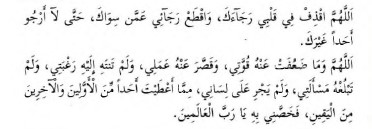
اے اللہ! میرے دل میں اپنی امید ڈال دے، اور اپنے سوا ہر چیز سے میری امید منقطع کر دے، یہاں تک کہ میں تیرے سوا کسی سے امید نہ رکھوں۔ اے اللہ! جس (مقام) کے لیے میری طاقت کمزور ہے، میرا عمل اس تک نہیں پہنچتا، میری خواہش اسے حاصل نہیں کرتی، میری دعا اس تک نہیں پہنچتی، اور جو میری زبان پر جاری نہیں ہوتا، وہ یقین جو تو نے پہلے اور بعد کے لوگوں میں سے کسی کو عطا فرمایا ہے، تو مجھے بھی اس کے لیے خاص فرما، اے تمام جہانوں کے پروردگار۔‘‘ انہوں نے کہا: ’’پس اللہ کی قسم! میں ابھی ایک ہفتہ بھی اس پر قائم نہ رہا تھا کہ معاویہ نے مجھے پندرہ لاکھ (درہم) بھیجے، تو میں نے کہا: ’’سب تعریف اللہ کے لیے ہے جو اس کو نہیں بھولتا جو اسے یاد کرتا ہے، اور اس کو مایوس نہیں کرتا جو اس سے دعا کرتا ہے۔‘‘ میں نے نبی ﷺ کو نیند میں دیکھا، آپ ﷺ نے فرمایا: ’’حسن! تم کیسے ہو؟‘‘ میں نے عرض کیا: ’’ٹھیک ہوں، اے اللہ کے رسول ﷺ!‘‘ اور میں نے آپ ﷺ کو اپنا واقعہ سنایا۔ آپ ﷺ نے فرمایا: ’’میرے بیٹے! جو خالق سے امید رکھتا ہے اور مخلوق سے امید نہیں رکھتا، اس کا یہی حال ہوتا ہے۔‘‘ کتاب التویریات میں ہے کہ کوفہ کے قاری سُلیم بن عیسیٰ نے کہا: جب حسن کی وفات کا وقت آیا تو وہ شدید اضطراب اور غم میں مبتلا ہو گئے۔ حسین نے ان سے کہا: ’’بھائی! یہ اضطراب اور غم کیسا؟ تم اللہ کے رسول ﷺ کے پاس جا رہے ہو، اور علیؓ کے پاس، جو تمہارے دو باپ ہیں، اور خدیجہؓ اور فاطمہؓ کے پاس، جو تمہاری دو ماں ہیں، اور قاسم اور طاہر کے پاس، جو تمہارے دو ماموں ہیں، اور حمزہؓ اور جعفرؓ کے پاس، جو تمہارے دو چچا ہیں۔‘‘ حسنؓ نے ان سے کہا: ’’بھائی! میں اللہ تعالیٰ کے ایک ایسے معاملے میں داخل ہو رہا ہوں جس میں اس سے پہلے کبھی داخل نہیں ہوا، اور میں اللہ کی ایک ایسی مخلوق کو دیکھ رہا ہوں جسے میں نے کبھی نہیں دیکھا۔‘‘ ابن عبدالبر وفرمایل: له مختلفو سرچینو څخه روایت دی چې کله د هغه (حسن بن علي) وخت راورسید، نو هغه خپل ورور ته وویل: ورورہ! ستا پلار دې ځواکمنې واکمنۍ ته سترګې واړولې، خو الله هغه ترې وګرځاوه او ابوبکر یې پرې مقرر کړ. وروسته هغه بیا دې ته سترګې واړولې، خو دا واک ترې واړول شو او عمر ته ورکړل شو. بیا وروسته هغه د شورا په وخت کې هیڅ شک نه درلود چې دا واک به له هغه تېر نشي، خو دا هم ترې واړول شو او عثمان ته ورکړل شو. کله چې عثمان ووژل شو، نو علي ته بیعت وشو. بیا مونږ په داسې حال کې بندیان شوو چې تورې وویستل شوې، نو دا خلافت هیڅکله هغه ته په آرامۍ سره پاتې نه شو. په الله قسم، زه نه فکروم چې الله به نبوت او خلافت په موږ کې یوځای کړي. زه نه پوهېږم، خو د کوفې احمقان به تا ته خلافت ورکړي او تا به وباسي. ما له عایشې رضي الله عنها څخه وپوښتل چې زه د رسول الله ﷺ سره خښ شم، او هغې وویل: "هو". کله چې زه مړ شوم، له هغې څخه دا وپوښته، خو زه یوازې داسې اټکل کوم چې خلک به دې ته ستا د مخنیوي هڅه وکړي. که دوی وکړل، نو له دوی سره په خبرو کې بحث مه کوه. کله چې هغه مړ شو، حسین رضي الله عنه د مؤمنانو مور عایشې رضي الله عنها ته راغی، او هغې وویل: "هو، او دا یو عزت دی"، خو مروان دوی ته مخنیوی وکړ. بیا حسین او هغه سره کسان په تورو مړۍ شول، تر دې چې ابوهریره رضي الله عنه دوی ته مخنیوی وکړ، او نو هغه په بقیع کې د خپلې مور ترڅنګ خښ شو، الله ترې راضي شه.
O Allah, cast into my heart hope in You, and cut off my hope in everything other than You, until I don’t hope for anyone other than You. O Allah, that for which my strength is too weak, and my action falls short of, my desire does not attain, my supplication does not reach, and what does not flow upon my tongue, of that certainty which You have given anyone of the ancients and the later peoples, then single me out for it, Lord of the Worlds.’” He said, ‘Then, by Allah, I had not persisted in it for a week before Mucawiyah sent me one million and five hundred thousand, and I said, “Praise be to Allah Who does not forget whoever remembers Him and doesn’t disappoint whoever supplicates Him.” I saw the Prophet, may Allah bless him and his family and grant them peace, in sleep and he said, “Hasan, how are you?” I said, “Well, Messenger of Allah,” and I told him my story. He said, “My son, that is how it is for whoever hopes for (something) from the Creator and does not hope for (something) from the creature.’” There is in at-Tuyuriyyat that Sulaym ibn cIsa, the Qur’an reciter of the people of Kufa, said: When death came to al-Hasan he was overcome with agitation and grief. Al-Hussein said to him, ‘My brother, what is this agitation and grief? You are going to the Messenger of Allah, may Allah bless him and his family and grant them peace, and cAli and they are your two fathers, and to Khadijah and Fatimah and they are your two mothers, and to al-Qasim and at-Tahir and they are your two maternal uncles, and to Hamzah and Jacfar and they are your two paternal uncles.’ Al-Hasan said to him, ‘Brother, I am entering into a matter of Allah’s, exalted is He, the like of which I have never entered, and I see a creation of Allah’s the like of which I have never seen.’ Ibn cAbd al-Barr said: From various sources we relate that when his time came, he said to his brother, ‘My brother, your father raised his eyes to this authority and Allah averted him from it and put Abu Bakr in charge of it (the khilafah). Later, he raised his eyes to it, but it was turned away from him to cUmar. Later again, he had no doubt at the time of the Council that it would not pass him by, but it was turned away from him to cUthman. When TJthman was killed, then °Ali was pledged allegiance. Then we were restrained until swords were unsheathed and so it (the khilafah) was never undisturbedly his. By Allah, I don’t think that Allah will combine prophecy and khilafah in us. I don’t know but that the fools of Kufa will try to appoint you as khalifah and drive you out. I have asked cA’ishah, may Allah be pleased with her, that I should be buried with the Messenger of Allah, may Allah bless him and his family and grant them peace, and she said, “Yes.” When I die, ask her about that, but I only anticipate that people will try to prevent you. If they do, don’t bandy words with them.’ When he died, al-Hussein came to the Mother of the Believers, cA’ishah, may Allah be pleased with her, and she said, ‘Yes, and it is an honour,’ but Marwan prevented them. Then al-Hussein and those with him donned their swords, until Abu Hurayrah prevented them, and so he was buried in al- Baqic by the side of his mother, may Allah be pleased with her.