2.2 د هغه سادګي او عاجزي
2.2 His Simplicity and Humility
د پیغمبر ﷺ ساده او سادګۍ ژوند دا یو لوی دلیل دی چې د هغه رسالت خپلګټنی نه و، په ځانګړي ډول کله چې دا د تاریخ د ډیرو غلطو پیغمبرانو د بېبندوباره او اسرافي ژوند سره پرتله کیږي. له بلې خوا، دا هغه سړی و چې د خپل ژوند په پای کې ټول عربستان یې تر واک لاندې راوست. او دا لا پخوا هم، په مدینه کې د زرګونو پیروانو درلودونکی و، داسې پیروان چې د هغه سره مینه یې له حده تیره وه او د هغه لپاره به یې هر څه کړي وای. سره له دې، د هغه د ژوند په هیڅ برخه کې د تجمل هیڅ نښه نه لیدل کېږي.
The simple, austere lifestyle of the Prophet صلى الله عليه وسلم is a major indication that his mission could not have been self-serving, especially when contrasted with the decadent, extravagant lifestyles of so many false prophets in world history. After all, this was a man who controlled all of Arabia by the end of his life. Even before that, he had thousands of followers in Madinah, followers who obsessed over him and would have done anything in the world for him. Yet, we see no signs of luxury in any sphere of his life.
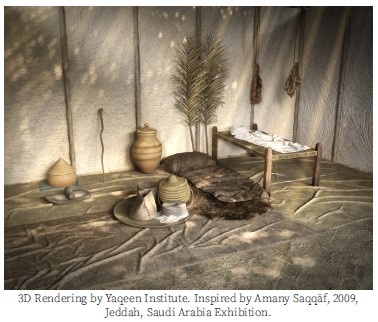
هغه د ژوند داسې تنګ ځای درلود چې کله به یې صلى الله عليه وسلم د لمانځه کولو اراده کوله، نو عایشې ته به یې اشاره کوله چې پښې یې راټولې کړي، ترڅو د سجدې ځای ولري. د څښاک یا غسل لپاره به یې هغه کوڅنۍ اوبو ته لاس اچاوه چې د خونې په یوه کونج کې ځوړنده وه. د میاشتو په میاشتو به د ده په کور کې د پخلي لپاره اور نه بلېدی، او د ده کورنۍ به د کجوړو او اوبو سره ژوند کاوه، مګر دا چې څوک د شیدو ډالۍ راوړې.58 عمر بن الخطاب رضي الله عنه روایت کوي چې یوځل د الله د رسول صلى الله عليه وسلم خونې ته ننوتی او هغه یې په پړسوب ویده وموند، او وليدل چې د سرې کټ د خشونت نښې د ده په پټه کې پاتې دي. دا وليدل، او همدارنګه د اوړپو او پاڼو لږ خواړه، او د کونج کې ځوړنده د څرمنې کوڅنۍ، نو سترګې یې په اوښکو ډکې شوې. پیغمبر صلى الله عليه وسلم وفرمایل: «ای د خطاب زویه، څه ستا د ژړا سبب دی؟» هغه وویل: «ای د الله پیغمبره، څنګه ژړا ونه کړم کله چې وګورم چې دا کټ ستا په پټه نښې ایښې دي، او ستا د خوړو الماري کې دومره لږ شی دی؟ قیصر او کسری د میوو او د اوبو د چینو په منځ کې ژوند کوي، حال دا چې ته د الله رسول او د هغه غوره شوی یې، او ستا حال دا دی؟» پیغمبر صلى الله عليه وسلم وفرمایل: «ای د خطاب زویه، ایا دا خوښه نه ده چې دا [ښې ژوندې] زموږ لپاره په آخرت کې وي او د دوی لپاره په دنیا کې؟» ما وویل: «ځکه نه.»59 په بله روایت کې، هغه خپل ځواب په دې خبرو پیل کړ: «ایا ته په شک کې یې، ای د خطاب زویه؟ دا داسې یو قوم دی چې خوشالۍ یې په دې دنیا کې ژر راکړل شوې.»60
His living quarters were so tight that when he صلى الله عليه وسلم wished to pray, he would tap ‘Āishah to bend her legs to make room for him to prostrate. To drink or bathe, he would reach for the small leather water skin that hung in his room. For months on end, no fire would be kindled for cooking in his home, and his family was content with dates and water unless someone gifted them some milk.58 ‘Umar ibn al-Khattāb reports that he once entered the room of the Messenger of Allah صلى الله عليه وسلم to find him lying down and noticed that the coarseness of the straw mat under him had left marks on his side. Upon noticing that, and the meager rations of barley and leaves, and the leather bag hanging in the corner, his eyes welled with tears. The Prophet صلى الله عليه وسلم said, “What makes you weep, O son of al-Khaṭṭāb?” He said, “O Prophet of Allah, how can I not cry after seeing how the mat has left these marks on your side, and how little you have in your food cupboard? Caesar and Chosroes live surrounded by fruits and springs of water, while you are the Messenger of God and His chosen one, and yet this is your condition.” The Prophet صلى الله عليه وسلم said, “O son of al-Khaṭṭāb, does it not please you that these [luxuries] are for us in the Hereafter and for them in this world?” I said, “Of course.”59 In another narration, he began his response with, “Are you in doubt, O son of al-Khaṭṭāb? These are a people whose pleasures have been expedited in the life of this world.”60
ایډورډ ګیبن (د ۱۷۹۴ز کال وفات)، یو تاریخ لیکونکی او د انګلستان د پارلیمان غړی، ولیکل: «د محمد ﷺ سالم عقل د پاچاهۍ تجملاتو ته سپکه سترګه کتله. د خدای رسول ﷺ د کور کارونو ته ځان ټیټ کاوه؛ اور یې بلده کاوه، کوټه یې جاروه، میږې یې دوهلې، او خپلو لاسونو سره یې خپلې بوټان او جامې ترمیموې. د یوه زاهد د ریاضت او ثواب په ځای یې ځان ساتل، او د یو عرب په شان یې بې له کوم زحمت او ځان ښودنې څخه لږ خواړه خوړل.»61
Edward Gibbon (d. 1794), a historian and member of England’s Parliament, wrote, The good sense of Muhammad despised the pomp of royalty. The Apostle of God submitted to the menial offices of the family; he kindled the fire; swept the floor; milked the ewes; and mended with his own hands his shoes and garments. Disdaining the penance and merit of a hermit, he observed without effort or vanity the abstemious diet of an Arab.61
یعنی، هغه ﷺ نه یوازې د سخت ژوند خشونت زغملی، بلکې دا هغه ته په طبیعي ډول راغلی وو. هغه د راهبانو یا د زهد د ژوندانه د ترویج په نیت نه وو، او نه یې دا ساده ژوند د ستاینې د ترلاسه کولو لپاره ڼکاره کاوه. ګیبن دوام ورکوي: په رسمي مناسبتونو کې هغه خپل ملګري د سادې او میلمه پالنې په ډول ډیرې ډوډۍ سره میلمه کول، خو په کور کې د ډیرو اونیو لپاره د پیغمبر ﷺ په اوچاق کې اور نه بلېده.62
In other words, he صلى الله عليه وسلم not only endured the coarseness of an austere life, but it came naturally to him. He was not trying to encourage monkship or stoicism, nor was he faking this minimalism to earn praise. Gibbon continues, On solemn occasions, he feasted his companions with rustic and hospitable plenty. But, in his domestic life, many weeks would pass without a fire being kindled on the hearth of the Prophet.62
واشنګټن ارونګ (د ۱۸۵۹ کال مړ)، یو امریکایي ژوندلیکونکی او سیاستوال، وایي: هغه په خواړو کې سوکاله او ځان ساتونکی و، او د روژو سخت پابند و. هغه د جامو په ښکلا کې هیڅ زیاتوالی نه کاوه، چې د کوچني ذهن ښکاره کول دي؛ او نه هم د جامو سادګي تصنعي وه، بلکې د داسې یوه کوچني سرچینې څخه د امتیاز د نه منلو ریښتینې پایله وه…63
According to Washington Irving (d. 1859), an American biographer and diplomat, He was sober and abstemious in his diet and a rigorous observer of fasts. He indulged in no magnificence of apparel, the ostentation of a petty mind; neither was his simplicity in dress affected but a result of real disregard for distinction from so trivial a source…63
او، د هغه پوځي بریاوې هیڅ غرور او ځان ستاینه نه راوستله، لکه څنګه چې دا به وای که دا د خپلو شخصي موخو لپاره ترسره شوي وای. د خپل لوی واک په وخت کې هم هغه د مصیبت په ورځو کې ساده چلند او ظاهري بڼه ساتله. په شاهانه بڼه ژوند کولو څخه ډېر لرې، هغه په دې خفه کېده که چېرې په یوه خونه کې داخلېدو پر مهال د احترام غیر معمولي نښې ورته ښودل کېدې.64
And, His military triumphs awakened no pride nor vainglory, as they would have done had they been effected for selfish purposes. In the time of his greatest power, he maintained the same simplicity of manners and appearance as in the days of his adversity. So far from affecting a regal state, he was displeased if, on entering a room, any unusual testimonials of respect were shown to him.64
د دې «غیر معمولي درناوي شاهدي» په اړه، انس بن مالک وویل: «د ملګرو په نزد هیچا ته د رسول الله ﷺ څخه ډیر محبوب نه و».
Regarding these “unusual testimonials of respect,” Anas ibn Mālik said, “Nobody was more beloved to them (the Companions)
هغه له الله رسول سره زیات مینه لري، سره له دې، کله چې هغه ته ګوري، نو د هغه لپاره نه ولاړېدل، ځکه پوهېدل چې هغه دا خوښ نه کوي.“65 بوسورت سمith (د ۱۹۰۸ز کال مړ)، یو ریورنډ او لیکوال، لیکي: د دولت مشر او کلیسا مشر دواړه؛ هغه قیصر او پوپ یو ځای و؛ مګر هغه پوپ و پرته له هغو ادعاوو څخه چې پوپ یې لري، او قیصر و پرته له قیصر د لښکرو څخه، پرته له دایمي عسکرو، پرته له محافظو، پرته له پولیسو او پرته له ثابت عوایدو. که هیڅکله یو سړی د الهي حق له مخې حکومت کړی وي، نو هغه محمد ﷺ و، ځکه هغه ټول واک درلود پرته له هغو ملاتړونو څخه. هغه د واک بڼو ته پاملرنه نه کوله. د هغه شخصي ژوند سادگي د هغه عامه ژوند سره سم وه.66
than the Messenger of Allah صلى الله عليه وسلم. Despite that, when they would see him, they would not stand for him, knowing how much he disliked that.”65 Bosworth Smith (d. 1908), a reverend and author, writes, Head of the State as well as the Church; he was Caesar and Pope in one; but he was Pope without the Pope’s pretensions, and Caesar without the legions of Caesar, without a standing army, without a bodyguard, without a police force, without a fixed revenue. If ever a man ruled by a right divine, it was Muhammad, for he had all the powers without their supports. He cared not for the dressings of power. The simplicity of his private life was in keeping with his public life.66
تر دې ورځې پورې، د اسلامي اخلاقو په ادبي متنونو او د مسلمانو واعظانو د اونیزو خطبو کې د پیغمبر ﷺ د عاجزۍ د بیلګو ډکې ډکې دي. هغه هغه معلم و چې هیڅکله یې د «زه نه پوهیږم» ویلو څخه شرم نه کاوه. [67]
Until this very day, the canons of literature on Islamic ethics, and the weekly sermons of Muslim preachers, are replete with examples of the Prophet صلى الله عليه وسلم as the paragon of humility. He was the educator who was never ashamed to say “I don’t know,” 67
هغه جنرال چې به نورو ته د خپل سپاره حیوان په شریکولو اجازه ورکوله،68
the general who would allow others to share his riding animal,68
د ټولو لوی سیاستوال چې د ټولنې کمزورو غړو ته به یې د خپلو اړتیاو لپاره لاس نیولی، د مشرانو هغه کس چې د لومړی مسجد د خښتو وړلو لپاره به یې د ځوانانو سره سیالي کوله،70 او هغه مهربان میړه چې د خپلې ښځې د خفګان نرۍ نښې به یې لیدلې.71 په پای کې، هغه ﷺ د الله تعالی ترټولو لوی رسول و چې په خپل ټول ژوند کې به یې دا خبره تکراروله: «زما مثال د هغو پیغمبرانو په پرتله چې زما څخه مخکې تیر شوي، د هغه سړي په څیر دی چې یو ښکلی، ځلانده ودانۍ یې جوړه کړې، او یوازې د یوې خښتې پرته یې بشپړه کړې، چې هغه د یوې کونج په یوه ځای کې پاتې وه.»
the busiest statesman who would allow the weakest members of society to take him by the hand for their needs,69 the elder who would compete with the youth to carry the bricks of the first mosque,70 and the considerate husband who noticed subtle signs of his wife being upset with him.71 Finally, he صلى الله عليه وسلم was the greatest messenger of God who would reiterate throughout his life, “My similitude compared to the prophets before me is that of a person who built a beautiful, brilliant structure—completing its construction save for a single brick in one of its corners.
خلکو د دې ودانۍ د جوړښت په لیدو په طواف پیل وکړ، خو ویل یې: «کاشکې دا وروستۍ خښته هم ایښودل شوې وای، نو ډېره بشپړه به وه.» زه هغه خښته یم، او زه د پیغمبرانو مهر یم.»۷۲ په بله حدیث کې ده چې په عاجزۍ یې خبرداری ورکړ: «زه مې د عیسیٰ بن مریم په ستاینه کې د نصرانیانو په شان مه ستایئ؛ زه یوازې بنده یم، نو ما ته د الله بنده او د هغه رسول ووایئ.»73
People began to walk around it, admiring its construction, but saying, ‘If only that final brick were set in place, it would have been perfect.’ I am that brick, and I am the seal of the prophets.”72 In another hadith, he humbly cautioned, “Do not aggrandize me as the Christians exaggerated in praising the son of Mary. I am but a slave, so call me the slave of God and His messenger.”73
[58] البخاری، صحیح البخاری، 8:97 #6459.
58 al-Bukhārī, Ṣaḥīḥ al-Bukhārī, 8:97 #6459.
صحیح مسلم، ۲:۱۱۰۵ #۱۴۷۹
59 Muslim, Ṣaḥīḥ Muslim, 2:1105 #1479.
60 البخاری، صحیح البخاری، 3:133 #2468.
60 al-Bukhārī, Ṣaḥīḥ al-Bukhārī, 3:133 #2468.
61 ایډورډ ګبن، د روم د امپراتورۍ زوال او سقوط: ټوک پنځم (لندن:
61 Edward Gibbon, Decline and Fall of the Roman Empire: Volume the Fifth (London:
الکټرک بک کمپنی، ۲۰۰۱ء، باب L، ۲۵۲۔
Electric Book Co, 2001), chapter L, 252.
62 ابنایدی، ۲۵۱-۲۵۲۔
62 Ibid., 251-252.
واشنګټن اروینګ او برټرام ار. ډیویس، د محمد ﷺ ژوند (لندن: جی.
63 Washington Irving and Bertram R. Davis, The Life of Mahomet (London: G.
Routledge & Co, 1850), 186-187.
Routledge & Co, 1850), 186-187.
64 Ibid., 203.
64 Ibid., 203.
[الترمذی، سنن الترمذی، 5:90 #2754؛ الترمذی په تبصره کې صحیح بللی دی.]
65 al-Tirmidhī, Sunan al-Tirmidhī, 5:90 #2754; authenticated by al-Tirmidhī in the comments.
[Bosworth Smith, Mohammed and Mohammedanism (London: Smith, Elder, and Co., 1874), 235.] Note: The reference is left in its original Latin script, as the rules require references in square brackets to remain unchanged.
66 Bosworth Smith, Mohammed and Mohammedanism (London: Smith, Elder, and Co., 1874), 235.
[67 Muslim, Ṣaḥīḥ Muslim, 1:1 #8]
67 Muslim, Ṣaḥīḥ Muslim, 1:1 #8.
[68] البخاری، صحیح البخاری، 8:74 #6228.
68 al-Bukhārī, Ṣaḥīḥ al-Bukhārī, 8:74 #6228.