Uhifadhi wa Hadīth
Preservation Of Hadīth
Allah سبحانه وتعالى anasema katika Qur'an:
Allah سبحانه وتعالى. states in the Qur’an:
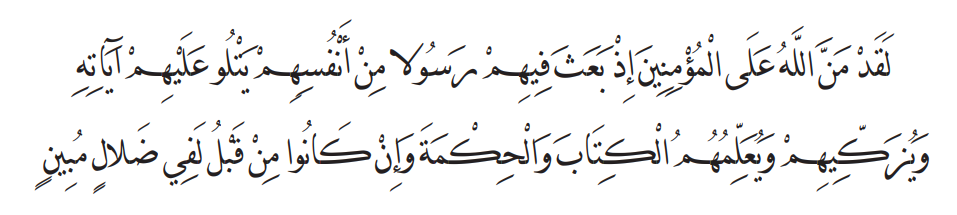
Hakika Allah سبحانه وتعالى amewafanyia fadhila waumini, alipowainulia Mtume miongoni mwao, anayetokana nao wenyewe, ili awasomee aya zake, awatakase, na awafundishe Kitabu na hekima.1
Indeed Allah سبحانه وتعالى. has already done a favor to the believers, when He raised amongst them a messenger from themselves to recite to them His verses, purify them and teach them the book and the wisdom.1
Aya hii inaeleza moja ya majukumu muhimu zaidi ya Mtume Mtukufu mpendwa ﷺ: kufundisha Kitabu. Jukumu hili halihusu tu kufundisha matamshi na usomaji wa Kitabu [kwa kuwa hilo tayari limo katika jukumu la kwanza, yaani ‘kuwasomea aya Zake’], bali zaidi ya hayo, linahusu maana ya Qur’ani. Isingekuwa na maana kwa Muislamu kujaribu kuelewa maana na ujumbe wa Qur’ani bila Mtume Mtukufu ﷺ kuwa mwalimu wa kutufafanulia.
This aya explains one of the most important responsibilities of the beloved Blessed Prophet صلى الله عليه وسلم: to teach the Book. This responsibility consists of not just teaching the pronunciation and reading of the Book [as that is already covered in the first responsibility, i.e. ‘to recite to them His verses’], but more importantly, the meaning of the Qur’an. It would be meaningless for a Muslim to try to understand the meaning and message of the Qur’an without the Blessed Prophet صلى الله عليه وسلم as a teacher to explain it to us.
Ufasaha wa lugha ya Kiarabu peke yake hauwezi kutusaidia kuelewa maana ya Qur'ani. Kumbuka kwamba Masahaba (radhiya Llahu 'anhum), ambao walikuwa wakizungumza Kiarabu kwa ufasaha, daima walimgeukia Mtume Muhammad ﷺ ili kuelewa maana za ndani zaidi za Qur'ani. Maneno ya Qur'ani na maana zake yalifafanuliwa na Mtume Muhammad ﷺ kwa kauli na pia kwa vitendo. Kauli hizi na maelezo ya Mtume Muhammad ﷺ huitwa Hadith na ndizo tafsiri halisi zaidi ya Qur'ani. Kwa hiyo, ahadi ya Allah (SWT) ya kuhifadhi Qur'ani ilimaanisha pia kuhifadhi Hadith.
Proficiency in the Arabic language alone cannot help us grasp the meaning of the Qur’an. Remember, the Sahaba رضي الله عنه) who spoke fluent Arabic, always turned to the Blessed Prophet صلى الله عليه وسلم to understand the deeper meanings of the Qur’an. The Qur’an’s words and its meanings were explained both verbally and practically by the Blessed Prophet صلى الله عليه وسلم. These sayings and explanations of the Blessed Prophet صلى الله عليه وسلم are called úódõth and provide us with the the most authentic commentary of the Qur’an. Therefore, Allah’s سبحانه وتعالى. promise to preserve the Qur’an meant preservation of the aúódõth as well.
Hata hivyo, kuhifadhi maneno pekee hakuna faida kubwa. Kwa mfano, ikiwa Qur'an inawaamrisha Waislamu kusimamisha üalót, lakini hatuwezi kuelewa maana ya amri hii [kama jinsi ya kuitekeleza], basi kuna faida gani ya kuhifadhi maneno "simamisheni üalót"? Hii inathibitisha kwamba uhifadhi wa Qur'an, kwa lazima, unajumuisha uhifadhi wa úódõth. Bila úódõth, õmón ya Muislamu haijakamilika. Baada ya yote, tunajuaje kwamba Qur'an ni kitabu cha Allah (SWT)?
However the preservation of words alone serves little purpose. For example, if the Qur’an commands Muslims to establish üalót, but we are unable to understand what this command entails [such as how to perform it], then what benefit is there in preserving the words “establish the üalót?” This proves that the preservation of the Qur’an, by necessity, includes preservation of the úódõth. Without úódõth, the õmón of a Muslim is incomplete. After all, how do we know that the Qur’an is the book of Allah سبحانه وتعالى.?
Tunajua Qur'ani na nafasi yake kwa sababu tu Mtume aliyebarikiwa ﷺ alisema, "Huu ni Qur'ani; ni neno la Allah (SWT)..." Tukikataa hadithi hii ya Mtume aliyebarikiwa ﷺ, basi msingi wote wa Uislamu unaporomoka. Tusingejua kwamba Qur'ani ni kile inachodai kuwa.3
If we know the Qur’an and its place, it is only because the Blessed Prophet صلى الله عليه وسلم said, “This is the Qur’an; it is the word of Allah سبحانه وتعالى..” If we were to reject this úadīth of the Blessed Prophet صلى الله عليه وسلم then the whole foundation of Islam collapses. We would not know that the Qur’an is what it claims to be.3
Allah (SWT) anamwambia Nabii Muhammad ﷺ katika Qur'ani:
Allah سبحانه وتعالى. says to the Blessed Prophet صلى الله عليه وسلم in the Qur’an:

Nasi tumekuteremshia Ujumbe, ili uwabainishie watu wazi yaliyoteremshwa kwao, na pengine wapate kufikiri.
And We have sent unto you the message, that you may explain clearly to men what is sent for them, and that they may give thought. 2
Aya hii inathibitisha kwamba jukumu la msingi la Sunna ni kufafanua maana ya Qur’ani, ambayo ina maana kwamba Qur’ani haiwezi kufahamika bila Hadithi.
This aya proves that the fundamental role of úódõth is to reveal the meaning of the Qur’an, which means that the Qur’an cannot be understood without the aúódõth.
1 3:164.
1 3:164.
2 16:44
2 16:44