21.1 د جنګ کې دروغ ویل
21.1 Lying In War
ټول دروغ ویل یقیناً حرام دي، ځکه په قرآن کریم کې یوه ډاډمنه نص راغلې ده، او د هغې منع د هغو احکامو څخه ده چې له دین څخه په ضروري ډول معلومه دي، پرته له دې چې دا د مسلمانانو د ګټې لپاره وي، یا د دین د ګټو لپاره، یا د هغې برعکس. نصوص په عام، مطلق او بې له تعلیل څخه دې ته منع کړې ده. الله (ج) فرمایي:
All lying is definitely haram due to a definite Qur’anic text, and its prohibition is among the rules known from the deen by necessity, without distinction as to whether it is for the benefit of Muslims or the interests of the deen or opposite to that. The texts came forbidding it generally, absolutely and without reasoning. Allah (swt) said:
بیشکه هغه کسان چې دروغ جوړوي، هغه څوک دي چې د الله د آیتونو څخه انکار کوي. [TMQ 16:105]
“Verily those who fabricate lies are those who disbelieve in the ayat of Allah” [TMQ 16:105]
او الله (سبحانه وتعالیٰ) فرمایي:
And Allah (swt) said:
«بیا نو مباهله (نبتهل) وکړو او دروغجن باندې د الله لعنت وګرځوو» [TMQ 3:61].
“Then let us invoke (nabtahil) and make the curse of Allah upon the liar” [TMQ 3:61].
دا حکم، د هغه مطلق والی او عمومیت نه شي استدلال کېدلی، نه محدودېدلی او نه تخصیص کېدلی، مګر په بل نص سره، او عقل ته دا ګنجایش نشته چې دا نص په بل ډول وپوهیږي. په صحیح احادیثو کې داسې هیڅ نص نه دی راغلی چې په کتاب یا سنت کې د دې حکم لپاره دلیل یا محدودیت بیان کړي. په نص سره د تخصیص په اړه، داسې یو نص راغلی چې د دروغ د منع کولو څخه یوازې هغه ځانګړي شیان ایستل شوي چې یوازې همدې ته ځانګړي شوي دي؛ په هیڅ حال کې جایز نه دی چې له هغو څخه تجاوز وشي. د دروغ له منع کولو څخه هیڅ شی نه دی ایستل شوی، مګر هغه چې په احادیثو کې ذکر شوي دلیل سره ځانګړی شوی دی، یعنې د جنګ حالت، ښځې ته (دروغ ویل)، او د دوو کسانو ترمنځ د اصلاح کولو په اړه، ځکه چې په دوی کې نص راغلی دی. احمد، مسلم او ابوداود د امّ کلثوم بنت عقبه څخه روایت کړی، هغه وايي:
This decision, its absoluteness and generality cannot be reasoned, restricted or specified except by another text, and there is no entry for the mind except to understand the text and nothing else. There did not come in the Sahih any text which gives any reasoning or restriction, whether in the Book or Sunnah. As for specifying the text, there came a text regarding it which excluded from the forbidding of lying specific things which alone were specified; it is not allowed to exceed them in any case whatsoever. Nothing is excluded from the forbidding of lying except what was specified by evidence of the mentioned in the ahadith namely: the situation of war, to the woman and reconciling between two due to the text about them. Ahmad, Muslim and Abu Dawud narrated from Umm Kulthum bint ‘Uqbah who said:
ما د نبي (صلی الله علیه وسلم) څخه نه مې اورېدلي چې په هغو شیانو کې یې اجازه ورکړې وي چې خلک پکې دروغ وایي، پرته له دریو شیانو څخه: په جګړه کې، د خلکو تر منځ د صلح کولو کې، او د هغه سړي کیسه چې خپلې ښځې ته وایي، او د هغې ښځې حدیث چې خپل میړه ته وایي.
“I did not hear the Prophet (saw) giving permission in anything over which the people say (lies) except in three: in war, reconciling between people, and the story of the man to his wife and the hadith of the woman to her husband.”
له اسماء بنت یزید څخه روایت دی، هغه فرمایي: رسول الله ﷺ وفرمایل:
From Asma bint Yazid who said: The Messenger of Allah (saw) said:
اے خلقِ خدا، تمہیں کیا ہو گیا ہے کہ تم جھوٹ کے پیچھے یوں لگ گئے ہو جیسے پتنگے آگ کے پیچھے لگتے ہیں؟ آدم کے بیٹے کا ہر جھوٹ حرام ہے، سوائے تین صورتوں کے: وہ شخص جو اپنی بیوی کو خوش کرنے کے لیے جھوٹ بولے، وہ شخص جو جنگ میں جھوٹ بولے کیونکہ جنگ دھوکہ ہے، اور وہ شخص جو مسلمانوں کے درمیان صلح کرانے کے لیے جھوٹ بولے۔
“O you people, what has carried to you follow lying like the moths following fire? All lying from the son of Adam is haram except in three situations: the man lying to his wife to please her, the man lying in war as war is deceit and the man lying between Muslims to reconcile between them.”
دا درې کسان هغه دي چې د یوې صحیح روایت له مخې د دروغ د منعې څخه مستثنى شوي دي، نو دروغ له دې پرته په نورو کې روا نه دی، ځکه چې د عام نص څخه هیڅ شی نه مستثنى کیږي مګر هغه چې یوازې دلیل یې بیان کړی وي. په حدیث کې راغلی "په جنګ کې" کلمه یوازې یو معنا لري او بل هیڅ نه، هغه د فعلي جنګ حالت دی، نو دروغ په جنګ کې پرته له هغې حالت څخه په مطلق ډول روا نه دی. په هغه څه کې چې د نبي ﷺ څخه ثابت دی،
These three are of those excluded from the forbidding of lying by an authentic text, so lying is not allowed in other than that as nothing is excluded from the generality of the text except what the evidence specifies alone. The word “in war” which came in the hadith has only one meaning and no more which is the situation of active war in the matter of war, so lying is absolutely not allowed except in the situation of war. As for what is authenticated from the Prophet (saw)
هغه چې کله به یې د جنګ اراده کوله، نو هغه به یې په بل څه کې پټه کوله.
“That when he intended war, he would conceal in other than that”;
معنا دا دی چې کله هغه (ﷺ) یو کار اراده کوله نو هغه به یې نه ښکاره کاوه، لکه کله چې د ختیځ لوری ته د جګړې اراده کوله نو د لویدیځ لوری په اړه به یې پوښتنه کوله، ترڅو هغه څوک چې اوري او ويني هغه وګڼي چې هغه د لویدیځ لوری اراده کړې ده. څه په دې پورې اړه لري چې هغه په ښکاره ډول د لویدیځ اراده بیانوي حال دا چې د هغه حقیقي اراده ختیځ وه، دا هېڅکله نه ده پېښه شوې. نو دا د حقیقت خلاف خبر ورکول نه دي، بلکې دا توریه (دوه معنا لرونکې خبره) وه. سربیره پردې، دا د فعال جګړې او د جګړې د مسئلې ته داخلیږي، ځکه چې دا د دښمن سره د فعال جنګ لپاره د جګړې میدان ته تلل دي، نو دا هغه دوکه ده چې د هغه (ﷺ) په قول کې راغلې ده:
The meaning is that when he intended a matter he would not show it, such as when he intended to fight towards the direction of the east he would ask about a matter in the direction of the west so that the one who heard and saw him would think that he intended the direction of the west. As for his saying clearly of his intending the west whereas his (true) intention was the east, this never occurred. So this is not informing contrary to the reality but was rather double- entendre (tawriyya). Moreover, it enters into active war, and the matter of war, since it is going to the battlefield to fight the enemy actively so it is deceit which came in his (saw) statement:
«جنګ دوکه دی» (روایت یې مسلم کړی دی)
“War is deceit” (narrated by Muslim)
دَ جابرؓ څخه روایت دی چې رسول الله ﷺ وفرمایل:
As for what was narrated by Jabir that the Messenger of Allah (saw) said:

څوک به د کعب بن الاشرف سره معامله وکړي؟ ځکه هغه الله او د هغه رسول ﷺ ته اذیت رسولی دی. محمد بن مسلمه وویل: ای د الله رسوله ﷺ! آیا خوښ یې چې زه هغه ووژنم؟ هغه ﷺ وفرمایل: هو. هغه وویل: نو ماته اجازه راکړئ چې (دروغ) ووایم. هغه ﷺ وفرمایل: ما دا کړې ده. نو هغه کعب ته ورغی او وې ویل: بیشکه دا سړی یعنی پیغمبر ﷺ مو په مشقت کې اچولي دي او له مونږ څخه یې صدقه غوښتې ده. هغه وویل: په الله قسم، مونږ هم هغه ته تابع شوي یو او نه غواړو چې هغه پریږدو تر دې چې وګورو د هغه کار به له کومه ځای ته ورسیږي. هغه وویل: هغه لا دې خبرو کې نه و پاتې شوی تر دې چې هغه ته یې فرصت ومومه، هغه یې مغلوب کړ او ووژلی یې.
“Who will deal with K’ab bin Al-Ashraf for he has annoyed Allah and His Messenger? Muhammad bin Maslamah: Would you like for me to kill him, O Messenger of Allah? He said: Yes. He said: Then give me permission to tell (lies). He said: I have done so. He said: So he reached him and said: Verily this one i.e. the Prophet (saw)—has put us to task and has asked us for sadaqah. He said: By Allah similarly we have followed him and we dislike leaving him until we see where his matter will reach: He said: He did not stop talking to him until he had a chance to overpower him and killed him.”
دا هم د جنګ په حالت کې و. که څه هم د حدیث الفاظ دا وايي چې هغه خبرې چې محمد بن مسلمه وکړې، رښتيا وې، دروغ نه وې، ځکه دا يوازې اشاره وه، خو محمد بن مسلمه له ټولو خبرو کولو لپاره اجازه وغوښته او هغه ته اجازه ورکړل شوه. نو په دې کې د ښکاره او اشارې له لارې د دروغ ويلو اجازه شامله ده، او دا د جنګ په حالت کې راځي. په هغه روايت کې چې احمد او النسائي د الحجاج بن علاط د قصې څخه نقل کړی، هغه د مکې د خلکو څخه د خپل مال د ژغورلو لپاره د خپل ګټې لپاره هرڅه ويلو اجازه وغوښته. د نبي ﷺ هغه ته اجازه ورکړه، او هغه مکې والو ته وويل چې خيبر مسلمانان ماتې کړي دي. دا هم د جنګ په حالت کې راځي، ځکه مکې والا د مسلمانانو سره په فعال جنګ کې وو. الحجاج بن علاط له مسلمانانو څخه و او هغه د فعال جنګ په حالت کې دښمنو کافرو ته تلل، نو په دوی باندې دروغ ويل جائز و. د دروغ ويلو اجازه د جنګ ميدان یا جنګيالیو پورې محدوده نه ده؛ بلکه مسلمانانو ته د خپلو دښمنانو، کافرانو په وړاندې دروغ ويل جائز دي، که چيرې دوی د هغوی سره په فعال جنګ کې وي. او هغه چې الطبراني په الأوسط کې راوړی دی:
This was also in the situation of war. Even if the words of the hadith state that the words which Muhammad bin Maslamah said were true, not false, as it was only allusion but Muhammad bin Maslamah asked permission to say everything and it was permitted to him. So it enters within it the permission to lie explicitly and metaphorically, and it enters into the situation of war. As for what Ahmad and An-Nisai narrated from the tale of Al-Hajjaj bin ‘Ilat in his seeking permission to say about him whatever he wished for his benefit in rescuing his property from the people of Makkah. The Prophet (saw) gave him permission and he informed the people of Makkah that Khayber had defeated the Muslims; this also enters into the situation of war because the people of Makkah were in a situation of active war with the Muslims. Al-Hajjaj bin ‘Ilat was from the Muslims and he was going to the enemy disbelievers who were in the situation of active war, so lying was allowed against them. The permission of lying is not restricted to the battlefield nor to fighters; rather it is allowed for the Muslims to lie against their enemies, the disbelievers, if they are in the situation of active war with them. As for was extracted by At-Tabarani in Al-Awsat:
هر دروغ ګناه دی، مګر هغه دروغ چې په هغې سره یو مسلمان ګټه اخلي یا په هغې سره خپل دین ساتي.
“All lying is sinful except that by which a Muslim benefits or by which he defends his deen”
د بزار په روایت کې په دې الفاظو سره راغلي دي:
This is in Al-Bazzar with the words:
«دروغ لیکل شوی دی مګر هغه دروغ چې پرې یو مسلمان ګټه اخلي یا چې پرې هغه دفاع کوي.»
“Lying is written except that by which a Muslim benefits or by which he defends it”,
دې ته په مجمع الزوائد کې ویل شوي دي: په دې سند کې رشدین او عبدالرحمن بن زیاد بن انعم دي، او دواړه ضعیف دي، نو دا یو ضعیف حدیث دی چې ردول کېږي او د دلیل په توګه نه کارول کېږي. له همدې امله دا د دلیل لپاره مناسب نه دی.
It was said in Majmu’ Al-Zawaid: In its chain is Rushdayn and Abdurrahman bin Ziyad bin An’am, and both are weak so it is a weak hadith which is rejected and not used as a proof. So it is not suitable as evidence.
لهذا فإن ټول دروغ حرام دی او پرته له دریو شیانو څخه نور ټول ناروا دي: په جنګ کې، د خلکو ترمنځ د پخلاینې په کار کې، او د سړي هغه خبرې چې ښځې ته کوي او د ښځې هغه خبرې چې خپل میړه ته کوي. نور ټول دروغ قطعي حرام دي، ځکه چې د دروغ د منع کولو حکم په قرآن کې په عمومي ډول راغلی او د ټولو دروغو شامل دی، بیا حدیث دا حکم په نورو ځایونو کې تخصیص کړ، د جنګ، د خلکو ترمنځ پخلاینې، او د سړي او ښځې د هغو خبرو څخه چې یو د بل سره کوي. دا درې واړه د منع له حکم څخه وویستل شول، نو یوازې دا درې واړه جائز دي او نور ټول حرام دي. په ځانګړي ډول په دې سبب چې حدیث جواز یوازې دریو ته محدود کړ او وې فرمایل:
Accordingly all lying is haram and not allowed except in three (matters): in war, reconciling between people, and the story of the man to his wife and the story of the woman to her husband. Everything else is definitely haram as the forbiddance of lying came generally in the Qur’an covering all lying, then the hadith came specifying it in other than war, reconciling between people, and the story of the man to his wife and the story of the woman to her husband. It excluded these three from the forbidding so they alone are allowed and everything else is haram. Particularly since the hadith restricted the permissibility to three and said:
د آدم د زوی هر دروغ حرام دی، پرته له دریو حالتونو څخه.
“All lying from the son of Adam is haram except in three situations”
او
And
زه په هغو شیانو کې چې خلک وایي، د پیغمبر ﷺ اجازه نه ده اوریدلې مګر په دریو کې: جنګ…
“I did not hear the Prophet giving permission in anything of what the people say except in three: war…”
ور دې ټول نور ټول حرام دي. ټول هغه احادیث چې راغلي دي د فعال جنګ په حالت کې دي؛ له دې پرته ټول نور احادیث ضعیف دي او د دلیل په توګه نه کارول کیږي.
Etc. This restriction means all other is haram. All the ahadith which came are in the situation of active war; all ahadith other than them are weak and are not used as proof (s)
په جنگ کې پرته نورو حالتونو کې تورېه یا دوهمعنی خبره، که اورېدونکی یې داسې وپوهېږي چې د حقیقت خلاف وي، لکه کله چې کلمه د حقیقت نه بسیي او د ژبې یا د ځانګړې کارونې له مخې بله معنا ورکوي، دغه څېز دروغ دی او جائز نه دی. همدارنگه هغه وخت هم چې یوه ځانګړې ډله د یوې کلمې تخنیکي تعریف ورکوي، بیا هغه کسته وایي چې دغه تخنیکي تعریف نه پېژني، یا کله چې دغه تخنیکي معنا د ویونکي لپاره وي خو اورېدونکی نه پېژني، دا ټول دروغ دي چې جائز نه دي. حتی که دا تورېه د ویونکي له خوا وي، خو اورېدونکی له کلمې نه داسې معنا واخلي چې د حقیقت برخلاف وي، نو دا د تورېې (دوهمعنی خبرې) له ډولونو نه نه شمېرل کېږي او جائز نه دي. خو کله چې له کلمې نه هم حقیقت هم بله معنا پوهېږي، دا د بلاغت (فصاحت) له ډولونو دی. دا ریښتیا ده نه دروغ، لکه د هغه چا لپاره چې سترګې یې کرغیړنې وي د دې ویلو په شان: «کاش د دواړو سترګو ترمنځ برابری وای»، دا د هغه په حق یا په ضد دعا کېدای شي. تورېه دا ده چې کلمه دوه معنې ولري، یوه نژدې او بله لرې؛ ویونکی لرې معنا اراده کوي، خو اورېدونکی نژدې معنا پوهېږي. په دې حالت کې، که څه هم اورېدونکی د ویونکي له اراده برخلاف پوهېږي، خو بیا هم د جملې له څرګندې حقیقت برخلاف نه پوهېږي. پیغمبر ﷺ هم تورېه کارولې ده. په صحیح البخاري کې انس بن مالک (رض) وایي:
As for dissimulation/double entendre in other than war, if the listener understands it contrary to the reality such as where the word does not indicate the reality and something else linguistically or in technical usage generally with the speaker and listener, it is lying which is not allowed. Such as where a specific group gives a technical definition for a word and then say it to someone who does not know this technical definition or where it is a technical definition for a speaker but the listener does not know it, all of this is lying which is not allowed. Even if it were dissimulation/double entendre by the speaker but the listener understands from the word the opposite to the reality, so it is not considered from the type of double entendre (tawriyya) and is not allowed. As for where it is understood from the word is the reality and something else, this is from the species of eloquence (balagha). It is truth and not lying like their saying to the squint eyed: ‘If only both his eyes were equal’, it is suitable as an invocation for or against him. Dissimulation is that the word has two meanings, one which is near and the other remote; the speaker intends the remote meaning while the listener understands (it as) the near meaning. In this situation, even though the listener understands contrary to what the speaker intends nevertheless he does not understand contrary to the reality indicated by the sentence. The Prophet (saw) used dissimulation. In Sahih Al-Bukhari that Anas bin Malik (ra) said:
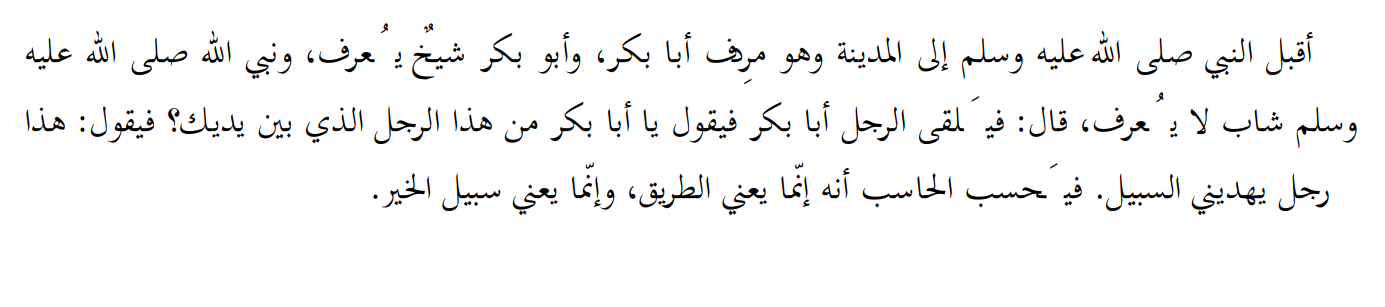
د الله رسول ﷺ مدینې ته روان شو او ابوبکر ؓ د هغه پسې روان و. ابوبکر ؓ یو مشهور بوډا سړی و، او د الله رسول ﷺ یو ناپیژندل شوی ځوان و. هغه وویل: یو سړی ابوبکر ؓ ته راغی او ویې ویل: ای ابوبکره، دا سړی چې ستا په مخ کې دی څوک دی؟ هغه وویل: دا سړی ما ته لاره ښیي. هغه وویل: یو فکر کوونکی به فکر وکړي چې هغه د لارې مراد کړی، په داسې حال کې چې هغه د نیکۍ د لارې مراد کړی و.
“The Prophet of Allah (saw) headed for Madinah and he was followed by Abu Bakr. Abu Bakr was a well known old man and the Prophet of Allah (saw) was an unknown youth. He said: A man met Abu Bakr saying: O Abu Bakr, who is this man before you? He said: This man is showing me the way. He said: A thinker would think that he meant the road whereas he meant the road to goodness.”