Kuna udhaifu kadhaa katika maana zinazotokana na maoni ya wakosoaji hawa:
There are a number of weaknesses with the implications of these critics:
Kwanza, Qur'ani haitaji chochote kuhusu "moyo, ubongo na ini..."
1. Firstly, the Qur’an does not make a mention of the “heart, brain and liver...
"bado haijatamkwa wala kuumbwa, lakini ina mshikamano fulani na ukubwa wa kiasi kikubwa".
[being] unarticulated and unshaped yet [with] a certain solidarity and [of a] considerable size”.
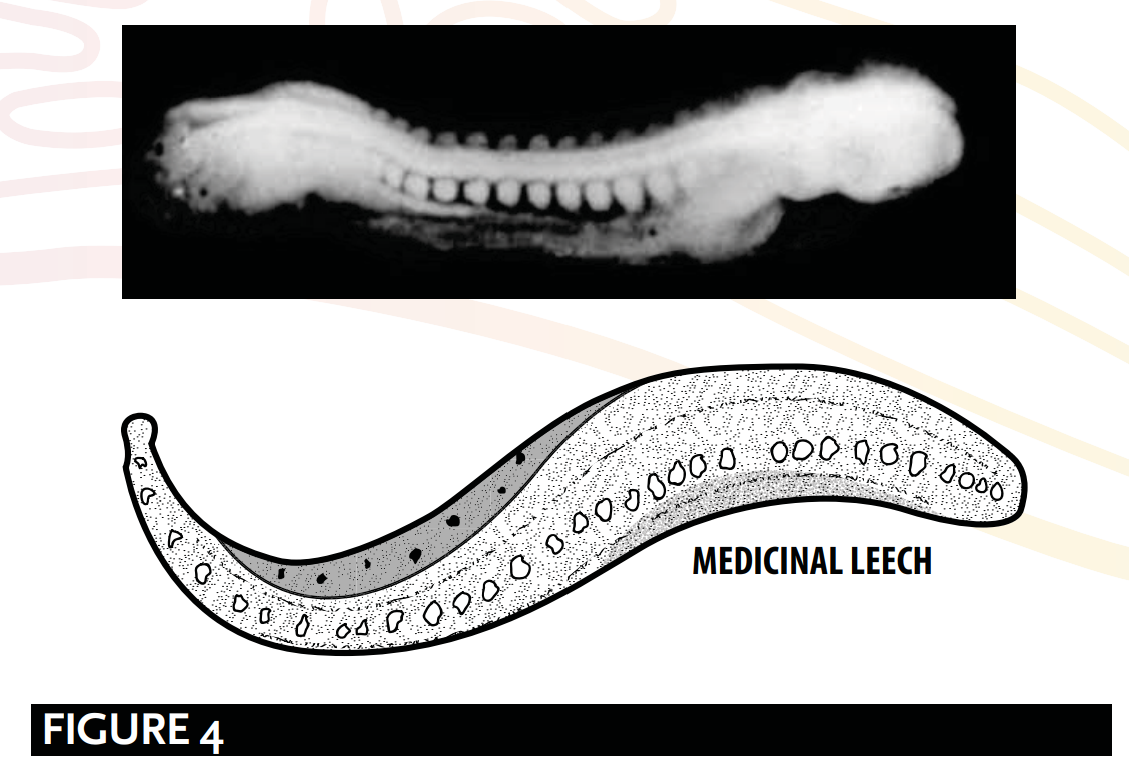
Pili, neno `alaqah halimaanishi damu; badala yake, maana zake kuu ni 'kitu kinachoshikamana' na 'dutu inayofanana na chango'. Baadhi ya wanaisimu wa Kiarabu wangeupa neno `alaqah maana ya 'donge la damu', si kwa sababu limejaa damu, bali kwa sababu ya asili yake ya 'kushikamana'. Tafsiri hii inaendana na maana kuu ya neno hilo.
2. Secondly, the word `alaqah does not mean blood; rather, its primary meanings are ‘a clinging form’ and ‘a leech-like substance’. Some Arab linguists would attribute the meaning of a ‘blood clot’ to the word `alaqah, not because of it being filled with blood, but instead due to it ‘clinging’ by nature. This interpretation matches the primary meaning of the word.
3. Tatu, Galen anasisitiza kwamba "kijusi kina umbo la nyama" katika hatua ya pili, ilhali Qur'ani inathibitisha kwamba hatua ya mudghah (kipande cha nyama kilichotafunwa au donge la nyama) inakuja baada ya hatua ya 'alaqah.
3. Thirdly, Galen insists “the foetus has the form of flesh” during the second stage, whereas the Qur’an affirms the mudghah (a chewed piece of meat or lump of flesh) stage comes after the `alaqah stage.
4. Nne, katika kitabu chake On the Natural Faculties, Galen anaandika: vivyo hivyo ilivyo kwa shahawa: uwezo wake ilikuwa nao tangu mwanzo.58 Dhana isiyo sahihi ya Galen kwamba shahawa pekee ndiyo yenye jukumu la nyenzo za kijenetiki haiendani, na inapingana moja kwa moja, na Qur'ani na Hadith za Mtume ﷺ. Kama ilivyochambuliwa awali (ona Aristotle, Galen & Nutfah), maandiko ya chanzo cha Kiislamu yanaiona nutfah kuwa tone au majimaji yaliyochanganyika kutoka kwa mwanamume na mwanamke, na yanathibitisha kwamba mwanamume na mwanamke wote wawili wana jukumu la sifa za kijenetiki za mtoto.59 Kwa hiyo, ikiwa Mtume ﷺ alinakili maoni ya Galen kuhusu ukuaji wa binadamu, imekuwaje alikataa sayansi isiyo sahihi na kutumia tu kile kilichokuwa sahihi, ilhali katika Uarabuni wa karne ya saba haikuwezekana kujua ni maoni yapi yalikuwa sahihi?
4. Fourthly, in his book On the Natural Faculties, Galen writes: so it is with the semen: its faculties it possessed from the beginning.58 Galen’s incorrect implication of the semen’s sole responsibility for the genetic material is incompatible, and in direct opposition, to the Qur’an and Prophetic traditions. As previously explored (see Aristotle, Galen & Nutfah) the Islamic source texts considers the nutfah as a mingled drop or fluid from both the male and the female, and confirm both the male and female as responsible for the genetics of the child.59 Therefore, if the Prophet ﷺ copied Galen’s views on human development, how is it that he rejected the incorrect science and only used what was correct, even though there was no way in 7th century Arabia of knowing which views were accurate?