21.1 جنگ میں جھوٹ بولنا
21.1 Lying In War
تمام جھوٹ قرآن کی قطعی دلیل کی وجہ سے یقینی طور پر حرام ہے، اور اس کی ممانعت دین کے ان قواعد میں سے ہے جنہیں ضرورت کے تحت جانا جاتا ہے، اس میں اس بات سے کوئی فرق نہیں کیا جائے گا کہ یہ مسلمانوں کے فائدے کے لیے ہو یا دین کے مفادات کے لیے یا اس کے برعکس۔ نصوص (قرآنی و نبوی دلائل) اس کی ممانعت عمومی، مطلق اور بغیر کسی وجہ کے بیان کرتے ہوئے آئی ہیں۔ اللہ (سبحانہ و تعالیٰ) نے فرمایا:
All lying is definitely haram due to a definite Qur’anic text, and its prohibition is among the rules known from the deen by necessity, without distinction as to whether it is for the benefit of Muslims or the interests of the deen or opposite to that. The texts came forbidding it generally, absolutely and without reasoning. Allah (swt) said:
"بے شک جھوٹ گھڑنے والے وہی ہیں جو اللہ کی آیات کا انکار کرتے ہیں" [TMQ 16:105]
“Verily those who fabricate lies are those who disbelieve in the ayat of Allah” [TMQ 16:105]
اور اللہ (سبحانہ و تعالیٰ) نے فرمایا:
And Allah (swt) said:
”پھر ہم مباہلہ کریں اور اللہ کی لعنت جھوٹے پر بھیجیں“ [TMQ 3:61]۔
“Then let us invoke (nabtahil) and make the curse of Allah upon the liar” [TMQ 3:61].
اس فیصلے کی قطعیت اور عمومیت کو کسی دوسری نص کے سوا کسی دلیل، تخصیص یا قید کے ذریعے محدود نہیں کیا جا سکتا، اور عقل کے لیے اس میں مداخلت کی کوئی گنجائش نہیں سوائے اس کے کہ وہ نص کو سمجھ لے اور اس کے علاوہ کچھ نہیں۔ صحیح میں ایسی کوئی نص نہیں آئی جو کوئی دلیل یا قید فراہم کرے، خواہ وہ کتاب اللہ ہو یا سنت۔ جہاں تک نص کی تخصیص کا تعلق ہے، تو اس بارے میں ایک نص آئی ہے جس نے جھوٹ کی ممانعت سے ان مخصوص چیزوں کو مستثنیٰ قرار دیا جن کی تنہا تخصیص کی گئی ہے؛ کسی بھی صورت میں ان سے تجاوز کرنا جائز نہیں ہے۔ جھوٹ کی ممانعت سے کوئی چیز مستثنیٰ نہیں ہے سوائے ان چیزوں کے جن کی احادیث میں مذکورہ دلیل کے ذریعے تخصیص کی گئی ہے، یعنی: جنگ کی حالت، عورت (کے معاملے میں) اور دو لوگوں کے درمیان صلح کروانا، کیونکہ ان کے بارے میں نص موجود ہے۔ احمد، مسلم اور ابو داؤد نے ام کلثوم بنت عقبہ سے روایت کی ہے جنہوں نے کہا:
This decision, its absoluteness and generality cannot be reasoned, restricted or specified except by another text, and there is no entry for the mind except to understand the text and nothing else. There did not come in the Sahih any text which gives any reasoning or restriction, whether in the Book or Sunnah. As for specifying the text, there came a text regarding it which excluded from the forbidding of lying specific things which alone were specified; it is not allowed to exceed them in any case whatsoever. Nothing is excluded from the forbidding of lying except what was specified by evidence of the mentioned in the ahadith namely: the situation of war, to the woman and reconciling between two due to the text about them. Ahmad, Muslim and Abu Dawud narrated from Umm Kulthum bint ‘Uqbah who said:
"میں نے نبی ﷺ کو کسی ایسی چیز میں اجازت دیتے ہوئے نہیں سنا جس کے بارے میں لوگ (جھوٹ) بولتے ہوں، سوائے تین چیزوں کے: جنگ میں، لوگوں کے درمیان صلح کروانے میں، اور مرد کی اپنی بیوی کے بارے میں بات اور عورت کی اپنے شوہر کے بارے میں حدیث کے معاملے میں۔"
“I did not hear the Prophet (saw) giving permission in anything over which the people say (lies) except in three: in war, reconciling between people, and the story of the man to his wife and the hadith of the woman to her husband.”
اسماء بنت یزید سے روایت ہے کہ انہوں نے کہا: رسول اللہ ﷺ نے فرمایا:
From Asma bint Yazid who said: The Messenger of Allah (saw) said:
"اے لوگو! تمہیں کیا چیز اس بات پر ابھارتی ہے کہ تم پروانوں کی طرح آگ کے پیچھے بھاگنے والے جھوٹ کے پیروکار بن جاؤ؟ ابنِ آدم کی طرف سے تمام جھوٹ حرام ہے سوائے تین صورتوں کے: وہ شخص جو اپنی بیوی کو خوش کرنے کے لیے جھوٹ بولے، وہ شخص جو جنگ میں جھوٹ بولے کیونکہ جنگ دھوکہ ہے، اور وہ شخص جو مسلمانوں کے درمیان صلح کروانے کے لیے جھوٹ بولے۔"
“O you people, what has carried to you follow lying like the moths following fire? All lying from the son of Adam is haram except in three situations: the man lying to his wife to please her, the man lying in war as war is deceit and the man lying between Muslims to reconcile between them.”
یہ تین (صورتیں) ان میں سے ہیں جنہیں ایک صحیح نص کے ذریعے جھوٹ کی ممانعت سے مستثنیٰ کیا گیا ہے، لہٰذا اس کے علاوہ کسی اور صورت میں جھوٹ کی اجازت نہیں ہے کیونکہ نص کے عمومی حکم سے کوئی چیز مستثنیٰ نہیں ہوتی سوائے اس کے جس کی دلیل الگ سے وضاحت کر دے۔ حدیث میں جو لفظ "جنگ میں" آیا ہے اس کے صرف ایک ہی معنی ہیں اور اس سے زیادہ نہیں، اور وہ جنگ کے معاملے میں جنگ کی صورتحال ہے، لہٰذا جنگ کی صورتحال کے علاوہ مطلق طور پر جھوٹ کی اجازت نہیں ہے۔ جہاں تک نبی ﷺ سے جو ثابت ہے اس کا تعلق ہے
These three are of those excluded from the forbidding of lying by an authentic text, so lying is not allowed in other than that as nothing is excluded from the generality of the text except what the evidence specifies alone. The word “in war” which came in the hadith has only one meaning and no more which is the situation of active war in the matter of war, so lying is absolutely not allowed except in the situation of war. As for what is authenticated from the Prophet (saw)
"کہ جب اس کا ارادہ جنگ کا ہوتا، تو وہ اس کے علاوہ کسی اور چیز میں (اپنے ارادے کو) چھپا لیتا"؛
“That when he intended war, he would conceal in other than that”;
اس کا مطلب یہ ہے کہ جب وہ کسی معاملے کا ارادہ کرتے تو اسے ظاہر نہ کرتے، مثلاً جب ان کا ارادہ مشرق کی سمت میں لڑائی کرنے کا ہوتا تو وہ مغرب کی سمت میں کسی معاملے کے بارے میں پوچھ لیتے تاکہ جس نے انہیں سنا اور دیکھا وہ یہ سمجھے کہ ان کا ارادہ مغرب کی سمت کا تھا۔ جہاں تک ان کا واضح طور پر مغرب کا ارادہ ظاہر کرنا اور ان کا (حقیقی) ارادہ مشرق کا ہونا، تو ایسا کبھی نہیں ہوا۔ لہٰذا یہ حقیقت کے خلاف اطلاع دینا نہیں بلکہ 'توریہ' (دوہرے معنی والا کلام) تھا۔ مزید یہ کہ یہ فعال جنگ اور جنگ کے معاملات میں داخل ہے، کیونکہ وہ دشمن سے براہِ راست لڑنے کے لیے میدانِ جنگ میں جا رہے ہیں، لہٰذا یہ دھوکہ ہے جو ان ﷺ کے اس بیان میں آیا ہے:
The meaning is that when he intended a matter he would not show it, such as when he intended to fight towards the direction of the east he would ask about a matter in the direction of the west so that the one who heard and saw him would think that he intended the direction of the west. As for his saying clearly of his intending the west whereas his (true) intention was the east, this never occurred. So this is not informing contrary to the reality but was rather double- entendre (tawriyya). Moreover, it enters into active war, and the matter of war, since it is going to the battlefield to fight the enemy actively so it is deceit which came in his (saw) statement:
"جنگ دھوکہ ہے" (روا کیا مسلم نے)
“War is deceit” (narrated by Muslim)
روا ہے کہ جابر رضی اللہ عنہ سے منقول ہے کہ رسول اللہ ﷺ نے فرمایا:
As for what was narrated by Jabir that the Messenger of Allah (saw) said:

"کعب بن اشرف کا معاملہ کون سنبھالے گا کیونکہ اس نے اللہ اور اس کے رسول ﷺ کو ناراض کیا ہے؟ محمد بن مسلمہ نے عرض کیا: اے اللہ کے رسول ﷺ، کیا آپ چاہتے ہیں کہ میں اسے قتل کر دوں؟ آپ ﷺ نے فرمایا: ہاں۔ انہوں نے عرض کیا: پھر مجھے (جھوٹ) بولنے کی اجازت دیں۔ آپ ﷺ نے فرمایا: میں نے اجازت دے دی۔ چنانچہ وہ اس کے پاس پہنچا اور کہا: یقیناً اس شخص نے یعنی نبی ﷺ نے ہمیں مشکل میں ڈال دیا ہے اور ہم سے صدقہ مانگا ہے۔ اس نے کہا: اللہ کی قسم، ہم نے بھی اسی کی پیروی کی ہے اور ہم اسے اس وقت تک چھوڑنا پسند نہیں کرتے جب تک کہ ہم یہ نہ دیکھ لیں کہ اس کا معاملہ کہاں تک پہنچتا ہے: چنانچہ وہ اس سے باتیں کرتا رہا یہاں تک کہ اسے اس پر غلبہ پانے کا موقع مل گیا اور اسے قتل کر دیا۔"
“Who will deal with K’ab bin Al-Ashraf for he has annoyed Allah and His Messenger? Muhammad bin Maslamah: Would you like for me to kill him, O Messenger of Allah? He said: Yes. He said: Then give me permission to tell (lies). He said: I have done so. He said: So he reached him and said: Verily this one i.e. the Prophet (saw)—has put us to task and has asked us for sadaqah. He said: By Allah similarly we have followed him and we dislike leaving him until we see where his matter will reach: He said: He did not stop talking to him until he had a chance to overpower him and killed him.”
یہ جنگ کی صورتحال میں بھی تھا۔ اگرچہ حدیث کے الفاظ یہ بتاتے ہیں کہ محمد بن مسلمہ کے الفاظ سچے تھے، جھوٹے نہیں، کیونکہ وہ محض کنایہ تھے لیکن محمد بن مسلمہ نے سب کچھ کہنے کی اجازت مانگی تھی اور انہیں اس کی اجازت دی گئی تھی۔ چنانچہ اس میں صریح اور کنایہ جھوٹ بولنے کی اجازت شامل ہے، اور یہ جنگ کی صورتحال میں داخل ہے۔ جہاں تک احمد اور النسائی کی اس روایت کا تعلق ہے جو الحجاج بن علت کے قصے سے منقول ہے کہ انہوں نے مکہ کے لوگوں سے اپنا مال بچانے کے لیے اپنے فائدے کی خاطر جو چاہیں کہنے کی اجازت مانگی، تو نبی ﷺ نے انہیں اجازت دی اور انہوں نے مکہ کے لوگوں کو مطلع کیا کہ خیبر نے مسلمانوں کو شکست دے دی ہے؛ یہ بھی جنگ کی صورتحال میں داخل ہے کیونکہ مکہ کے لوگ مسلمانوں کے ساتھ فعال جنگ کی صورتحال میں تھے۔ الحجاج بن علت مسلمانوں میں سے تھے اور وہ ان کافر دشمنوں کے پاس جا رہے تھے جو فعال جنگ کی صورتحال میں تھے، لہذا ان کے خلاف جھوٹ بولنا جائز تھا۔ جھوٹ بولنے کی اجازت صرف میدانِ جنگ یا صرف لڑنے والوں تک محدود نہیں ہے؛ بلکہ مسلمانوں کے لیے اپنے دشمنوں، یعنی کافروں کے خلاف جھوٹ بولنا جائز ہے، اگر وہ ان کے ساتھ فعال جنگ کی صورتحال میں ہوں۔ رہا وہ جو الطبرانی نے الاوسط میں روایت کیا ہے:
This was also in the situation of war. Even if the words of the hadith state that the words which Muhammad bin Maslamah said were true, not false, as it was only allusion but Muhammad bin Maslamah asked permission to say everything and it was permitted to him. So it enters within it the permission to lie explicitly and metaphorically, and it enters into the situation of war. As for what Ahmad and An-Nisai narrated from the tale of Al-Hajjaj bin ‘Ilat in his seeking permission to say about him whatever he wished for his benefit in rescuing his property from the people of Makkah. The Prophet (saw) gave him permission and he informed the people of Makkah that Khayber had defeated the Muslims; this also enters into the situation of war because the people of Makkah were in a situation of active war with the Muslims. Al-Hajjaj bin ‘Ilat was from the Muslims and he was going to the enemy disbelievers who were in the situation of active war, so lying was allowed against them. The permission of lying is not restricted to the battlefield nor to fighters; rather it is allowed for the Muslims to lie against their enemies, the disbelievers, if they are in the situation of active war with them. As for was extracted by At-Tabarani in Al-Awsat:
"تمام جھوٹ گناہ ہے سوائے اس کے جس سے ایک مسلمان فائدہ اٹھائے یا جس کے ذریعے وہ اپنے دین کا دفاع کرے"
“All lying is sinful except that by which a Muslim benefits or by which he defends his deen”
یہ الفاظ البزار میں اس طرح موجود ہیں:
This is in Al-Bazzar with the words:
"جھوٹ لکھ دیا جاتا ہے سوائے اس کے جس سے کوئی مسلمان فائدہ اٹھائے یا جس کے ذریعے وہ (اپنے دین کی) حفاظت کرے،"
“Lying is written except that by which a Muslim benefits or by which he defends it”,
مجموع الزوائد میں کہا گیا ہے: اس کی سند میں رُشدین اور عبدالرحمن بن زیاد بن انعم ہیں، اور یہ دونوں ضعیف ہیں، لہٰذا یہ ایک ضعیف حدیث ہے جسے مسترد کر دیا گیا ہے اور اسے بطور دلیل استعمال نہیں کیا جاتا، چنانچہ یہ حجت کے طور پر مناسب نہیں ہے۔
It was said in Majmu’ Al-Zawaid: In its chain is Rushdayn and Abdurrahman bin Ziyad bin An’am, and both are weak so it is a weak hadith which is rejected and not used as a proof. So it is not suitable as evidence.
اس کے مطابق تمام جھوٹ حرام ہے اور اس کی اجازت نہیں ہے سوائے تین (معاملات) کے: جنگ میں، لوگوں کے درمیان صلح کروانے میں، اور مرد کا اپنی بیوی سے اور عورت کا اپنے شوہر سے (خوشگوار تعلقات کے لیے) جھوٹ بولنے میں۔ باقی ہر چیز یقیناً حرام ہے کیونکہ قرآن میں جھوٹ کی ممانعت عام طور پر آئی ہے جو کہ تمام قسم کے جھوٹ کو گھیرے ہوئے ہے، پھر حدیث ﷺ آئی ہے جس نے جنگ، لوگوں کے درمیان صلح کروانے، اور مرد کا اپنی بیوی سے اور عورت کا اپنے شوہر سے (جھوٹ بولنے) کے علاوہ دیگر معاملات میں اس کی تخصیص کر دی۔ اس نے ان تینوں کو ممانعت سے مستثنیٰ کر دیا ہے لہٰذا صرف انہی کی اجازت ہے اور باقی سب حرام ہے۔ خاص طور پر اس لیے کہ حدیث ﷺ نے اس کی جواز کو صرف تین چیزوں تک محدود کر دیا اور فرمایا:
Accordingly all lying is haram and not allowed except in three (matters): in war, reconciling between people, and the story of the man to his wife and the story of the woman to her husband. Everything else is definitely haram as the forbiddance of lying came generally in the Qur’an covering all lying, then the hadith came specifying it in other than war, reconciling between people, and the story of the man to his wife and the story of the woman to her husband. It excluded these three from the forbidding so they alone are allowed and everything else is haram. Particularly since the hadith restricted the permissibility to three and said:
"آدم کے بیٹے کی طرف سے تمام جھوٹ حرام ہے سوائے تین صورتوں کے"
“All lying from the son of Adam is haram except in three situations”
اور
And
"میں نے لوگوں کی باتوں میں سے کسی چیز میں نبی ﷺ سے اجازت دیتے ہوئے نہیں سنا سوائے تین چیزوں کے: جنگ..."
“I did not hear the Prophet giving permission in anything of what the people say except in three: war…”
وغیرہ۔ اس پابندی کا مطلب یہ ہے کہ باقی سب کچھ حرام ہے۔ تمام احادیث جو آئی ہیں وہ فعال جنگ کی صورتحال میں ہیں؛ ان کے علاوہ تمام احادیث ضعیف ہیں اور انہیں بطور دلیل استعمال نہیں کیا جاتا۔
Etc. This restriction means all other is haram. All the ahadith which came are in the situation of active war; all ahadith other than them are weak and are not used as proof (s)
جہاں تک جنگ کے علاوہ تقیہ یا کنایہ (دوہرے معنی) کا تعلق ہے، تو اگر سننے والا اس کا حقیقت کے برعکس مطلب لے لے، مثلاً ایسی صورت میں جہاں لفظ حقیقت کی طرف اشارہ نہ کرے بلکہ عام طور پر بولنے والے اور سننے والے کے درمیان لسانی یا اصطلاحی استعمال میں اس کا کوئی اور مطلب ہو، تو یہ جھوٹ ہے اور اس کی اجازت نہیں ہے۔ مثلاً ایسی صورت جہاں کوئی مخصوص گروہ کسی لفظ کی اصطلاحی تعریف بیان کرے اور پھر وہ لفظ کسی ایسے شخص سے کہے جو اس اصطلاحی تعریف سے واقف نہ ہو، یا جہاں وہ لفظ بولنے والے کے لیے تو اصطلاحی تعریف ہو لیکن سننے والا اس سے واقف نہ ہو، یہ سب جھوٹ ہے اور اس کی اجازت نہیں ہے۔ یہاں تک کہ اگر بولنے والے کی طرف سے کنایہ ہو لیکن سننے والا لفظ سے حقیقت کے برعکس مطلب سمجھ لے، تو اسے توریہ کی قسم سے شمار نہیں کیا جائے گا اور یہ جائز نہیں ہے۔ رہا وہ معاملہ جہاں لفظ سے حقیقت اور کوئی دوسرا مطلب سمجھا جا سکے، تو یہ بلاغت کی اقسام میں سے ہے۔ یہ سچ ہے اور جھوٹ نہیں، جیسے ان کا کسی کجی آنکھ والے سے یہ کہنا کہ: 'کاش اس کی دونوں آنکھیں برابر ہوتیں'، تو یہ اس کے حق میں دعا یا اس کے خلاف بددعا کے طور پر مناسب ہے۔ توریہ یہ ہے کہ لفظ کے دو معنی ہوں، ایک قریب (ظاہری) اور دوسرا بعید (پوشیدہ)؛ بولنے والا بعید معنی مراد رکھتا ہو جبکہ سننے والا قریب معنی سمجھ لے۔ اس صورت میں، اگرچہ سننے والا اس کے برعکس سمجھتا ہے جو بولنے والا مراد رکھتا ہے، تاہم وہ جملے سے ظاہر ہونے والی حقیقت کے برعکس نہیں سمجھتا۔ نبی کریم ﷺ نے توریہ کا استعمال فرمایا۔ صحیح البخاری میں ہے کہ انس بن مالک (رضی اللہ عنہ) نے فرمایا:
As for dissimulation/double entendre in other than war, if the listener understands it contrary to the reality such as where the word does not indicate the reality and something else linguistically or in technical usage generally with the speaker and listener, it is lying which is not allowed. Such as where a specific group gives a technical definition for a word and then say it to someone who does not know this technical definition or where it is a technical definition for a speaker but the listener does not know it, all of this is lying which is not allowed. Even if it were dissimulation/double entendre by the speaker but the listener understands from the word the opposite to the reality, so it is not considered from the type of double entendre (tawriyya) and is not allowed. As for where it is understood from the word is the reality and something else, this is from the species of eloquence (balagha). It is truth and not lying like their saying to the squint eyed: ‘If only both his eyes were equal’, it is suitable as an invocation for or against him. Dissimulation is that the word has two meanings, one which is near and the other remote; the speaker intends the remote meaning while the listener understands (it as) the near meaning. In this situation, even though the listener understands contrary to what the speaker intends nevertheless he does not understand contrary to the reality indicated by the sentence. The Prophet (saw) used dissimulation. In Sahih Al-Bukhari that Anas bin Malik (ra) said:
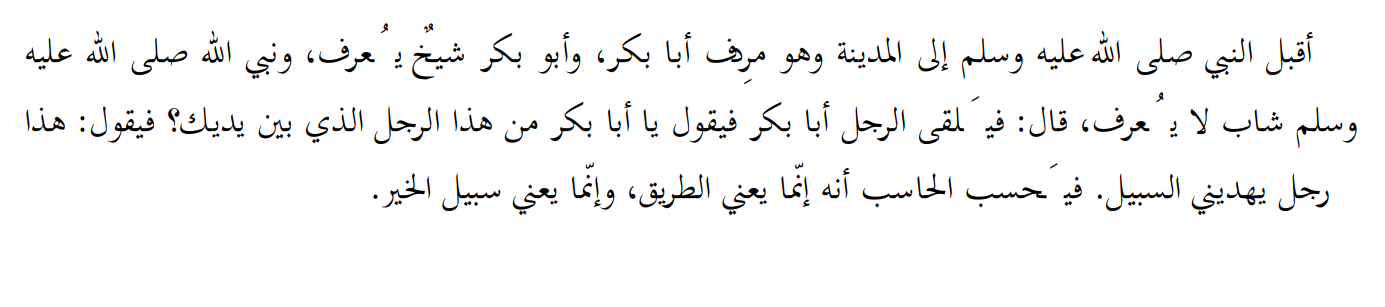
اللہ کے نبی ﷺ مدینہ کی طرف روانہ ہوئے اور آپ ﷺ کے پیچھے ابو بکرؓ تھے۔ ابو بکرؓ ایک مشہور بزرگ تھے جبکہ اللہ کے نبی ﷺ ایک نامعلوم نوجوان تھے۔ انہوں نے کہا: ایک شخص نے ابو بکرؓ سے پوچھا: اے ابو بکر! آپ کے آگے یہ کون سے شخص ہیں؟ انہوں نے کہا: یہ شخص مجھے راستہ دکھا رہا ہے۔ انہوں نے کہا: ایک سوچنے والا شخص یہ سمجھے گا کہ ان کی مراد راستہ (سڑک) ہے، جبکہ ان کی مراد نیکی کا راستہ تھا۔
“The Prophet of Allah (saw) headed for Madinah and he was followed by Abu Bakr. Abu Bakr was a well known old man and the Prophet of Allah (saw) was an unknown youth. He said: A man met Abu Bakr saying: O Abu Bakr, who is this man before you? He said: This man is showing me the way. He said: A thinker would think that he meant the road whereas he meant the road to goodness.”