۲۱. سیاستِ جنگ
21. The War Policy
جنگی سیاست یعنی جنگ کے امور کی ایسی تدبیر کرنا جو اس کی صورتِ حال کے مطابق ہو تاکہ مسلمانوں کے لیے فتح اور ان کے دشمنوں کے لیے شکست یقینی ہو۔ اس میں فوری عملی پہلو واضح ہے۔ شریعت نے جنگ کے اندر وہ چیزیں جائز ٹھہرائیں جو اس کے سوا دوسری حالتوں میں ممنوع تھیں، اور جنگ کے اندر وہ چیزیں منع کیں جو اس کے سوا دوسری حالتوں میں جائز تھیں۔ اس نے جنگ میں دشمن سے جھوٹ بولنے کی اجازت دی، حالانکہ جنگ کے سوا دوسری حالتوں میں یہ حرام ہے۔ اس طرح اس نے جنگی سیاست کے لیے ایسے اصول مقرر کیے جو خاص جنگ سے متعلق ہیں۔ انہی امور میں سے وہ ہیں جو دشمن کے ساتھ معاملات سے متعلق ہیں۔ ان میں سے کچھ جنگ کی کارروائیوں سے متعلق ہیں، کچھ اسلامی لشکر سے متعلق ہیں اور کچھ ان کے علاوہ امور سے متعلق ہیں۔
War policy is taking care of the affairs of war upon the position of its matter so as to make the victory for Muslims and defeat for their enemies. The immediate practical aspect is apparent in it. The Shar’a allowed within war things it forbade in other than it, and forbade things within it that it allowed in other than it. It allowed within it lying to the enemy whereas this is forbidden in other than war. In this way, it made for the war policy rules considered specific to war. From these considerations are those related with regards to dealing with the enemy. Of these is what is related to the actions of war itself, others are related to the Islamic army and others related to other than these.
از جمله آنچه به رفتار با دشمن مربوط میشود، این است که اسلام به خلیفه و مسلمانان دستور داده است که با دشمن همانند آنچه دشمن با مسلمانان کرده است رفتار کنند، و بر دشمن همانند آنچه دشمن بر مسلمانان روا داشته است روا دارند، حتی اگر آن از چیزهای حرام باشد. خداوند (سبحانه و تعالی) فرموده است:
Among what is related to dealing with the enemy, Islam ordained for the Khalifah and Muslims to do with the enemy similar to what the enemy did to the Muslims and permit upon the enemy similar to what the enemy allowed upon the Muslims, even if it were from the forbidden things. Allah (swt) said:
«اگر کیفر دادید، همانند آنچه به شما رسیده کیفر دهید؛ و اگر صبر کنید، آن برای صابران بهتر است» [سوره النحل، آیه ۱۲۶].
“If you are punished with then punish with similar to what you were punished with. And if you are patient, it is better for the patient ones” [TMQ 9:126].
روایت شده است که سبب نزول این آیه آن است که مشرکان در روز احد، مسلمانان را مُثله کردند؛ شکمهایشان را دریدند، اندامهای تناسلیشان را بریدند و نوک بینیهایشان را شکافتند. آنان هیچکس را رها نکردند مگر آنکه او را مُثله کردند، جز حنظلة بن الراهب. رسول خدا ﷺ بالای سر حمزه که مُثله شده بود ایستاد، و منظرهای زشت بود، زیرا شکمش دریده و بینیاش بریده شده بود. پس فرمود:
It is narrated that the cause for the revelation of this ayah is that the polytheists mutilated Muslims on the day of Uhud; they slit open their stomachs, cut their private parts and slit the tips of their noses. They did not leave anyone without mutilating him except Handhala bin Ar-Rahib. The Messenger of Allah (saw) stood over Hamza who had been mutilated, and he was an evil sight as his stomach had been split and his nose cut so he said:
«به آن کسی که به او سوگند خورده میشود، اگر الله مرا بر آنان پیروز گرداند، هفتاد نفر از ایشان را به جای شما مُثله خواهم کرد.»
“By the One who is sworn by, if Allah grants me victory over them I will mutilate seventy in your place”
یہ آیت نازل ہوئی۔ یہ آیت جنگ کے دوران نازل ہوئی، اور اگرچہ وہ مثلہ (لاش کے اعضا کاٹنے) میں حد سے تجاوز کرنے سے منع کرتی ہے، پھر بھی یہ صراحت کرتی ہے کہ مسلمانوں کو اس کی اجازت ہے کہ وہ کفار کے ساتھ ویسا ہی کریں جیسا کفار نے ان کے ساتھ کیا ہو۔ آیت سے یہ بھی سمجھا جاتا ہے کہ کفار میں سے جو مقتولین نے مسلمان مقتولین کا مثلہ کیا ہو، ان کے ساتھ مثلہ کرنا جائز ہے، البتہ مثلے میں اس سے تجاوز نہ کیا جائے جو انہوں نے کیا۔ اگرچہ مثلہ حرام ہے اور اس بارے میں روایات بھی آئی ہیں۔ تاہم اگر کفار نے مسلمان مقتولین کا مثلہ کیا ہو تو مسلمان بھی ایسا کر سکتے ہیں۔ اسی کے مشابہ دھوکہ دینا اور عہد توڑنا بھی ہے: اگر دشمن ایسا کرے یا اس سے ایسا کرنے کا اندیشہ ہو تو ہمارے لیے بھی ایسا کرنا جائز ہے، ورنہ ہمارے لیے ایسا کرنا جائز نہیں۔ ہمارے لیے یہ جائز ہے، اگرچہ جنگی پالیسی کے مطابق اس کے بارے میں ممانعت بھی آئی ہے، کیونکہ اس کی ممانعت صرف اس صورت میں ہے جب دشمن نے ایسا نہ کیا ہو۔ اگر وہ ایسا کریں تو مسلمانوں کے لیے ایسا کرنا جائز ہے۔ اللہ تعالیٰ نے فرمایا:
So this ayah was revealed. The ayat was revealed in war, and even though it prohibits excess in mutilation nevertheless it is explicit in allowing Muslims to do similar to what the disbelievers did to them. It is even understood from the ayah the permissibility of mutilated those killed among the disbelievers who mutilated those killed among the Muslims, except that it is not exceeded in mutilation what they did although mutilation is haram and there came news regarding that. However, the Muslims can do it if disbelievers mutilated those killed among the Muslims. Similar to this is deceit and breaking the covenant if the enemy does that or it is feared from him that he will do it, then it is allowed for us to do it. Otherwise it is not allowed for us to do it. It is allowed for us to do this even though there are prohibitions about it according to the war policy since its prohibition is only where the enemy has not done it. If they do it, it is allowed for Muslims to do it. Allah (swt) said:
«اگر از قومی خیانت بیم داری، پس [پیمان] را به سوی آنان به طور مساوی بینداز» [سورۃ الأنفال، ۸:۵۸].
“If you fear treachery from a people, then throw it against them equally (ala siwa)” [TMQ 8:58].
بر این اساس، برای مسلمانان جایز است که در جنگ با دشمن از سلاحهای هستهای استفاده کنند، حتی اگر پیش از آنکه دشمن آنها را علیه مسلمانان به کار برده باشد، چنین باشد؛ زیرا همه دولتها در جنگ استفاده از سلاحهای هستهای را مجاز میدانند. پس استفاده از آنها جایز است، هرچند استفاده از سلاحهای هستهای ممنوع است، زیرا این سلاحها بشریت را نابود میکنند، در حالی که جهاد برای زنده کردن بشریت با اسلام است، نه برای نابودی بشریت.
Accordingly it is allowed for Muslims to use nuclear weapons in their war with the enemy, even if this was before the enemy used them against them (Muslims) as all States permit the use of nuclear weapons in war. So it is allowed to use them although it is forbidden to use nuclear weapons since they destroy humanity whereas jihad is to revive humanity with Islam and not to exterminate humanity.
از جمله احکام مربوط به اعمال جنگی این است که مسلمانان میتوانند درختان کافران، خوراک آنان، کشتزارها و خانههایشان را بسوزانند و نابود کنند. خداوند سبحان فرموده است:
Of what is related to actions of war is that Muslims can burn the trees of disbelievers, their food, farms, and homes and destroy them. Allah (swt) said:
«مَا قَطَعْتُمْ مِنْ لِينَةٍ أَوْ تَرَكْتُمُوهَا قَائِمَةً عَلَىٰ أُصُولِهَا فَبِإِذْنِ اللَّهِ وَلِيُخْزِيَ الْفَاسِقِينَ»
“You did not cut any palm-tree (leena) or leave it standing upon its roots except by the permission of Allah and in order to disgrace the transgressors”
پیامبر خدا ﷺ درختان خرما را سوزاند، در حالی که میدانست این کار ممکن است به زیان او تفسیر شود. اما آنچه یحیی بن سعید الانصاری روایت کرده که ابوبکر الصدیق (رض) به فرماندهای که به شام فرستاده بود گفت:
The Messenger of Allah (saw) did burn the palm-trees together with his realization that it would be interpreted against him. As for what is narrated by Yahya bin Said Al-Ansar that Abu Bakr As-Siddiq (ra) said to the army leader he sent to Sham:
«نباید گوسفند یا شتر را جز برای خوراک پی کنید، و درختان خرما را نسوزانید یا آنها را غرق نکنید.»
“Do not hamstring sheep or camels except for food nor burn palm-trees or flood them”
بر این امر همه صحابه توافق داشتند و هیچکس با آن مخالفت نکرد: اصل در جنگ این است که خانهها ویران نشوند و درختان قطع نگردند. با اینهمه، اگر خلیفه یا فرمانده لشکر ببیند که پیروزی در جنگ مستلزم ویران کردن خانهها یا بریدن درختان است، یا شتاب در کسب پیروزی این کار را ایجاب کند، در سیاست جنگی جایز است که درختان بریده و خانهها ویران شوند، همانگونه که رسول الله ﷺ چنین کرد. مانند این است کشتن و سوزاندن چهارپایان و هر آنچه دشمن دارد؛ اگر سیاست جنگ این را ایجاب کند، میتواند این کار را انجام دهد، حتی اگر پیشتر ممنوع بوده باشد. خداوند سبحان فرموده است:
Upon which all the Sahabah consented without any one disputing this, this is the origin in war which is not spoiling habitation or cutting trees. However, if the Khalifah or army leader views that gaining the battle necessitates him destroying habitation or cutting trees, or hastening to gain the battle requires this, then it is allowed in war policy to cut trees and destroy habitation as did the Messenger of Allah (saw). Similar to this is killing and burning cattle, and all that the enemy possesses; if the war policy requires this, then he may do it even if it was forbidden. Allah (swt) said:
«و نه قدمی برمیدارند که کافران را خشمگین کند، و نه چیزی از دشمن به دست میآورند مگر آنکه برای آنان عمل صالحی نوشته میشود» [ترجمه تفسیر قرآن کریم، 9:120].
“Nor do they tread any foot-print which angers the disbelievers or acquire/obtain (nala) anything from the enemy except that a good deed is written fro them” [TMQ 9:120].
این کلام در همهی موارد عام است و هیچ دلیل دیگری که این آیه را در ذات خود مقید یا تخصیص دهد، چه آیهای دیگر و چه حدیثی، وجود ندارد، پس بر عمومش باقی میماند. و احادیث صحیحی دربارهی جواز سوزاندن خانهها و سوزاندن و بریدن درختان وارد شده است. از ابن عمر روایت شده که:
This speech is general in everything and there is no other evidence what would bind or specify this ayah in its essence, whether any other ayah or hadith, so it remains in its generality. There came authenticated ahadith about the permissibility of burning houses, and burning and cutting trees. It has been narrated from ibn Umar:
همانا رسول خدا ﷺ درختان خرمای بنی نضیر را بُرید و سوزاند.
“Verily the Messenger of Allah (saw) cut and burnt the palm-trees of Banu Nadhir.”
در این هنگام حسن گفت: برای اشراف قریش آسان بود که بُوَیره را بسوزانند، کسی که جرقههایش به هر سو پرواز میکرد. و در همین هنگام این آیه نازل شد:
Upon this Hasan said It was easy for the nobles of Quraish to burn Buwaira whose sparks were flying in all directions, And upon this the ayah was revealed:
«شما هیچ درخت خرمایی را نبریدید و آن را بر ریشههایش برپا نگذاشتید» [TMQ 59:5].
“You did not cut any palm-tree or leave it standing upon its roots” [TMQ 59:5].
از جَرِیر بن عبدالله روایت شده که گفت: رسول الله ﷺ فرمود:
It is narrated from Jareer bin Abdullah who said: The Messenger of Allah (saw) said:
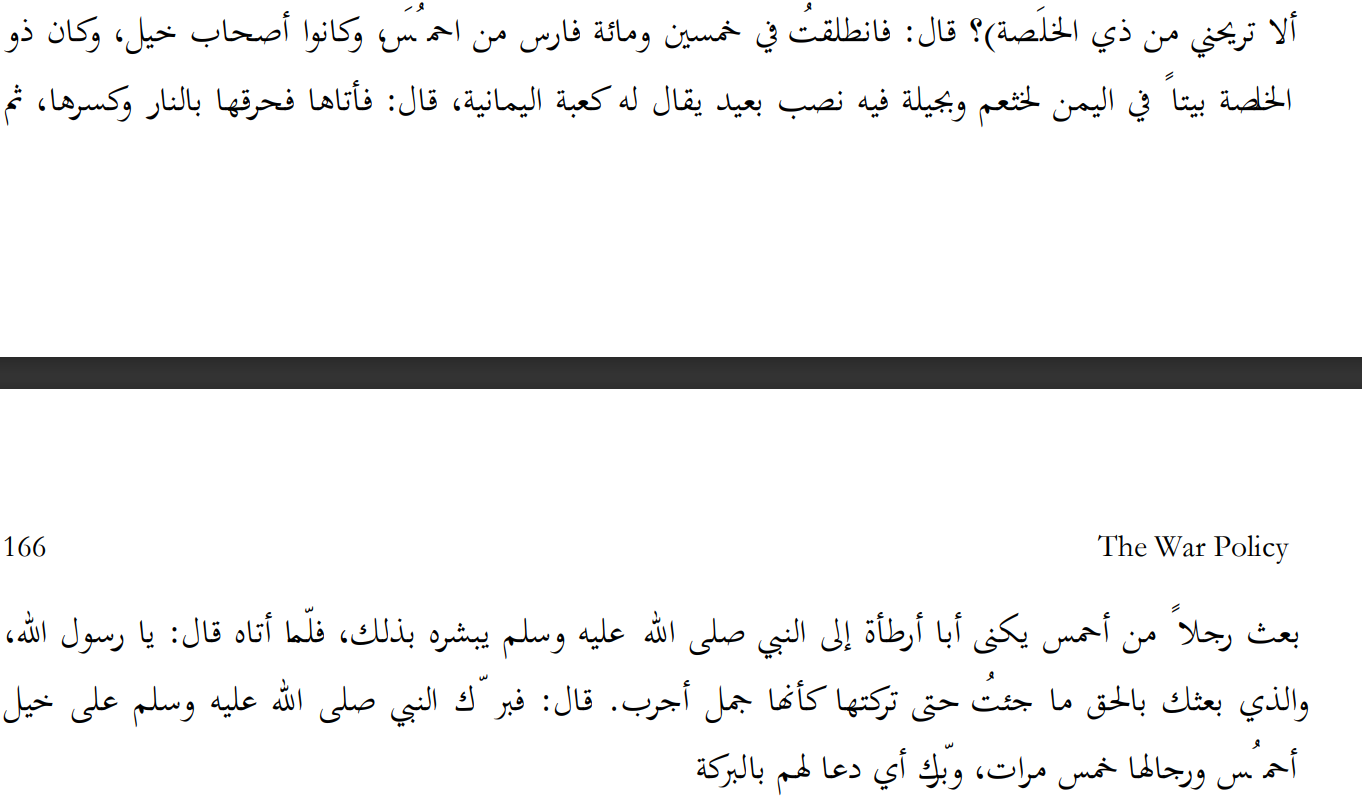
«آیا مرا از ذوالخلَصه آسوده نمیگذاری؟» او گفت: پس با صد و پنجاه سوارکار از احْنَس حرکت کردم، و آنان مردمی بودند که اسبان داغشده (دارای داغ) داشتند. ذوالخلَصه خانهای در یمن بود برای خَثْعَم و بَجِیلَه، که در آن بتهایی پرستیده میشد و آن را کعبهی یمن مینامیدند. او گفت: پس نزد آن آمدم، آن را با آتش سوزاندم و ویران کردم. سپس مردی از احْنَس که کنیهاش ابو ارطأة بود، برای دادن مژدهی این کار نزد پیامبر ﷺ فرستاده شد. چون به او رسید، گفت: ای فرستادهی خدا، سوگند به آن کسی که تو را به حق فرستاد، نیامدم مگر آنکه آن را چون شتران (سیاه و سوخته) رها کردم. او گفت: «پس پیامبر ﷺ اسبان احْنَس و مردان آنان را پنج بار برکت داد».
“Will you not grant me rest from Dhu al-Khalsa. He said: So I departed with one hundred and fifty horsemen from Ahnus, and they were people of tethered horses. Dhu al-Khalsa was a house in Yemen for Khath’am and Bujayla with idols that were worshipped, and it was called the Ka’aba of Yemen. He said: so I came to it, burnt it with fire and destroyed it. Them a man from Ahnus whose epithet was Abu Arta’a was sent to the Prophet (saw) to give him the good news about this. When he reached him, he said: O Messenger of Allah, by the One who sent you with the truth, I did not come until I had left it as if it were camels. He said: ‘So the Prophet (saw) blessed the horses of Ahnus and their men five times’”
و «بارَكَ» به معنای این است که برای آنان برکت خواست. و احمد، ابوداوود و ابن ماجه از أسامة بن زيد روایت کردهاند که گفت:
And “barraka” means prayed for blessing for them. And Ahmad, Abu Dawud and ibn Majah narrated from Usamah bin Zayd who said:
رسول الله ﷺ مرا به شهری به نام ابنی فرستاد و فرمود: به آنجا برس، سپس آن را بسوزان.
“The Messenger of Allah (saw) sent me to a town called Ibni and said: Reach it then burn.”
این ابنِ یُبنا در فلسطین است. این عبارت همچنین در وصیت عمر (رضی الله عنه) آمده که مالک در الموطأ آن را روایت کرده است. با مقایسه آن با این احادیث، سوزاندن و بریدن درختان و ویران کردن خانهها تنها در جایی روا است که نبرد یا جنگ آن را ایجاب کند. پس این مسئله وارد سیاست جنگی میشود. و از آنچه به لشکر اسلامی مربوط است این است که امام یا فرمانده لشکر میتواند منافقان، متجاوزان، کسانی که گریختهاند، فتنهانگیزان و افراد همانندِ ایشان را از رفتن به میدان نبرد بازدارد، به دلیل سخن خداوند.
This Ibni is the Yubna of Palestine. It also appears in the testament of Umar (ra) narrated by Malik in Al-Muwatta and its comparision with these ahadith that burning and cutting of trees, and the destruction of homes is only where the battle or war requires this. So it enters into the war policy. Of what relates to the Islamic army is that the Imam or army leader can prevent the hypocrites, transgressors, those put to flight, agitators and their like from going to the battlefield due to Allah’s statement:
اما خداوند از برانگیخته شدنشان ناخشنود بود، پس آنان را بازداشت و گفته شد: «با نشستگان بنشینید». اگر با شما بیرون میآمدند، جز تباهی بر شما نمیافزودند و میان شما به شتاب میدویدند (و فساد میکردند) و در میانتان فتنهانگیزی مینمودند. [TMQ 9:47]
“but Allâh was averse to their being sent forth, so He made them lag behind, and it was said (to them): "Sit you among those who sit (at home Had they marched out with you, they would have added to you nothing except disorder, and they would have hurried about in your midst (spreading corruption) and sowing sedition among you” [TMQ 9:47]
اگرچه امام منافق یا متخلّف را از شرکت در آن منع نمیکند، اما اگر سیاست جنگی ایجاب کند که آنان از رفتن به جنگ یا انجام دادن یا نظارت بر یک اقدام مشخص بازداشته شوند، برای خلیفه و فرمانده لشکر جایز است که چنین کنند. امّا آنچه به غیر از برخورد با دشمن، اقدامات جنگی یا لشکر اسلامی مربوط میشود، همان است که در بازگشت پیامبر ﷺ از غزوهٔ بنیالمصطلق رخ داد. ایشان ﷺ با مسلمانان با شتاب بسیار بازگشت. در شب و روز با نهایت توان راه میرفت تا به مدینه رسید. لشکر اسلام را با آنکه قاعده، آسانگیری با لشکر است، خسته کرد. از جابر روایت است که گفت:
Although the Imam does not prevent the hypocrite or transgressor from participating within it. However, if the war policy requires preventing them from going to battle or undertaking or supervising a specific action, it is allowed for the Khalifah and the army leader to do so. As for what is related to other than dealing with the enemy, the actions of war or the Islamic army, this is what occurred with the Messenger (saw) in his return from the battle of Banu Mustaliq. He returned with the Muslims in surpassing haste. He would walk during the night and day to his utmost effort until he reached Madinah. He exhausted the Islamic army even though the rule is being easy with the army. From Jabir who said:
رسول الله ﷺ در سفر عقب میماند، ضعیفان را به آرامی به حرکت وامیداشت، آنان را پشت سر خود قرار میداد و برایشان دعا میکرد.
“The Messenger of Allah (saw) would lag behind in travel, gently urge the weak and put him behind him and make du’a for them”
اما سیاست جنگیای که پیامبر ﷺ در پیش گرفتند، در برابر آنچه عبدالله بن اُبی بن سلول انجام میداد — یعنی ایجاد فتنه میان مسلمانان، مهاجران و انصار — ایجاب میکرد که لشکر به شیوهی حرکت ضعیفترین افراد سپاه حرکت نکند، بلکه به شیوهی حرکت نیرومندترین آنان حرکت کند، تا جایی برای بحث و جدل باقی نماند.
However the war policy in relation to what Abdullah bin ‘Ubayy bin Salul was doing of creating strife between Muslims, the Muhajireen and Ansar, necessitated not travelling according to the travel of the weakest of the army but travelling the travel of their strongest so as not to leave a place for discussion or debate.
بدین ترتیب، سیاستِ جنگ اقتضا میکند که امام اقداماتی را که برای رسیدگی به امورِ جنگ لازم است انجام دهد، تا در نبرد یا جنگ پیروز شود و دشمن شکست بخورد. با این حال، این امر تنها در جایی محدود است که هیچ نصّی دربارهی اقدامی مشخص نیامده باشد؛ اما اگر نصّی مشخص وجود داشته باشد، انجام آن اقدام به بهانهی سیاستِ جنگ جایز نیست. بلکه واجب است که خود را به نصّ، بر اساس بافتی که در آن آمده، محدود کند. اگر نصّ به شکلی قطعی و بدون علّت (عِلّة) آمده باشد، انجام آن اقدام جایز نیست؛ و اگر نصّ با علّتی آمده باشد، از نصّ بر اساس آن علّت پیروی میشود. اگر نصّ دربردارندهی نهی باشد و آمده باشد که رسول خدا ﷺ آن کار را در شرایطی خاص انجام داده است، نمیتوان آن اقدام را جز در همان شرایط انجام داد. نصوصی دربارهی اقداماتی آمده که شرع از آنها بازداشته است، پس بازداشت بر اساس آنچه آمده دنبال میشود. همچنین نباید گفت سیاستِ جنگ آن را روا میدارد؛ زیرا سیاستِ جنگ امری عام است، مگر آنکه نصّی بخشی از آن عموم را استثنا کرده باشد، و در آنچه نصّ مشخص کرده، از آن پیروی میشود. احمد از صفوان بن عَسّال روایت کرده که گفت: رسول خدا ﷺ ما را در یک سریّه فرستاد و فرمود:
In such manner the war policy requires that the Imam undertake the actions required to take care of the affairs of war so as to gain victory in the battle or war and defeat for the enemy. However, this is restricted to where no text came upon a specific action; if there exists a specific text, it is not allowed to perform this action under the pretext of war policy. Rather it is obliged that one restricts (himself) to the text according to the context in which it came. If the text came in a definite form without reason (illah), then it is not allowed to undertake the action; if the text came with an (illah) reason, then the text is followed according to the reason. If the text came with a prohibition, and it came that the Messenger (saw) did it in specific circumstances, then one cannot undertake the action except in those circumstances. There came texts about actions which the Shar’a prevented so the prevention is followed according to what came. Nor should one say the war policy (allows it) because the war policy is general except where there came a text excluding a matter for the generality so the text is followed in what is specified by it. Ahmad narrated from Safwan bin ‘Asal who said: The Messenger of Allah (saw) sent us in an expedition and said:
«سفر کن به نام الله و در راه الله. با کسانی که به الله ایمان ندارند بجنگ. مثله نکن، فریب نده و کودکی را مکش.» البخاری از ابن عمر روایت کرد که گفت:
“Travel in the name of Allah and in the way of Allah. Fight those who do not believe in Allah. Do not mutilate, deceive or kill a child.” Al-Bukhari narrated from ibn Umar who said:
از ابن عمر روایت کرده است که گفت: البخاری ... Wait, I must translate faithfully; "Al-Bukhari narrated" is the attribution of the source. Corrected: البخاری از ابن عمر روایت کرده است که گفت:
Al-Bukhari narrated from ibn Umar who said:
در یکی از نبردهای رسول خدا ﷺ زنی کشتهشده یافت شد، پس رسول خدا ﷺ کشتن زنان و کودکان را منع کرد.
“A woman was found killed in one of the battles of the Messenger of Allah (saw), so the Messenger of Allah (SAW) prohibited the killing of women and children.”
و احمد از الأسود بن سریع روایت کرد که گفت: رسول الله ﷺ فرمود:
And Ahmad narrated from Al-Aswad bin Sar’i who said: The Messenger of Allah (saw) said:
«چه شده است به کسانی که کشتارشان از حد گذشته و حتی کودکان را کشتند؟» مردی گفت: ای فرستاده خدا ﷺ، آنان جز فرزندان مشرکان نیستند. فرمود: «همانا بهترین شما فرزندان مشرکانند.»
“What is wrong with the people whose killing exceeded today until they killed children? A man said: O Messenger of Allah (saw), they are merely the children of polytheists. He said: Verily the best of you are the children of polytheists.”
ابو داود از انس روایت کرده که رسول خدا ﷺ فرمود:
Abu Dawud narrated from Anas that the Messenger of Allah (saw) said:
به نام خدا، به یاری خدا و بر آیین رسول خدا ﷺ پیش روید. پیرمرد فرتوت، کودک یا زن را نکشید و خیانت نکنید. غنایم خود را گرد آورید و نیکوکار باشید، زیرا خدا نیکوکاران را دوست دارد.
“Go forth in the name of Allah, with Allah and in the creed of the Messenger of Allah. Do not kill a perishing old man, a child or a woman and do not betray. Gather together your booties and be righteous as Allah loves the righteous.”
این احادیث، اعمال معینی را در جنگ ممنوع کردهاند؛ بنابراین درست نیست که این کارها در جنگ به بهانهٔ سنت پیامبر ﷺ انجام شود؛ بلکه آنها تنها به همان شکلی انجام میشوند که نصوص آمدهاند. نصوصی آمدهاند که اجازه میدهند همهٔ این امور با شلیک توپ و بمبهای انفجاری و هر ضربهای که از دور با چیزی سنگین وارد میشود انجام شود، حتی اگر زنان و کودکان کشته شوند، در صورتی که رسیدن به کافران جز با کشتن ایشان ممکن نباشد، به سبب آمیختن آنان با ایشان. بخاری از الصعب بن جثامة روایت کرده است ﷺ
These ahadith prohibited specific actions in war so it is not correct that they be done in war under the pretext of Messenger of Allah (saw); rather they are only done in the way the texts came. There came texts that allowed doing all these matters by shooting cannons and bombshells, and all that strikes from afar with something heavy even if women and children are killed if it is not possible to reach the disbelievers except by killing them due to their mixing with them. Al Bukhari narrated from As-S’ab bin Jithama
از رسول خدا ﷺ درباره مسلمانانی پرسیده شد که در میان مشرکان پناه گرفتهاند، و درباره زنان و کودکان آنان، اگر (در جنگ) مورد حمله قرار گیرند. فرمود: «آنان از ایشاناند.»
“That the Messenger of Allah (saw) was asked about the people taking shelter among the polytheists and their women and children, if they are struck. He said: They are of them.”
از پیامبر خدا ﷺ دربارهی کسانی پرسیده شد که در میان مشرکان پناه گرفتهاند، و دربارهی زنان و کودکانشان، اگر مورد حمله قرار گیرند. ایشان فرمودند: «آنان از ایشان به شمار میآیند.»
“That the Messenger of Allah (saw) was asked about the people taking shelter among the polytheists and their women and children, if they are struck. He said: They are of them.”
از پیامبر خدا ﷺ درباره فرزندان مشرکان پرسیدم که همراه ایشان کشته میشوند. فرمود: «آری، زیرا آنان از خودِ ایشاناند.»
“I asked the Messenger of Allah (saw) about the children of polytheists whom we kill along with them. He said: Yes, for they are of them.”
الطبرانی از ثور بن یزید روایت کرده است
At-Tabarani extracted from Thawr bin Yazid
که پیامبر ﷺ منجنیق را بر اهل طائف نصب کرد.
“That the Prophet (saw) hoisted a catapult upon the people of Taif.”
هنگامی که منجنیق شلیک میشود، میان زنان، کودکان، درختان و غیره تمایز قائل نمیشود، و این نشان میدهد که سلاحهای سنگین مانند توپها و بمبها، هنگام استفاده در جنگ، جایز است که با آنها همه چیز کشته، نابود و تباه شود. به همین ترتیب، اگر جز با کشتن زنان و کودکان نتوان به کافران دست یافت، و اگر به سبب آمیختگی آنان با ایشان، زنان و کودکان نیز آسیب ببینند، کشتن آنان جایز است. اما انجام هر یک از این امور به تنهایی، بدون منجنیق یا غیر از وضعیتی که تمایز میان ایشان و کافرانی که با آنان میجنگیم ممکن نیست، در این باره بیانی تفصیلی بر اساس آنچه در متون آمده وجود دارد. اما کودکان، کشتن آنان در غیر از دو وضعیت پیشگفته به طور مطلق حرام است؛ همین حکم درباره برده، یعنی کارگری که به اجبار نزد قومی است، نیز جاری است، زیرا او از جمله ضعفاست. این به سبب نهی از کشتن هر یک از ایشان به شکل قطعی و بدون دلیل موجه است. اما درباره زنان، بررسی میشود: اگر او بجنگد، کشتنش جایز است و اگر نجنگد، کشتنش جایز نیست. این بر اساس روایتی است که احمد و ابوداود از رَبَاح بن رَبیع نقل کردهاند که او همراه رسول خدا ﷺ در نبردی بود که خالد بن ولید در پیشاپیش آن قرار داشت. رَبَاح و صحابه رسول خدا ﷺ از کنار زنی کشتهشده، در میان آنچه گروه پیشرو زده بود، گذشتند. ایستادند تا به او نگاه کنند و از زیبایی او شگفتزده شدند، تا آنکه رسول خدا ﷺ سوار بر مرکبش به ایشان رسید، پس برایش جا باز کردند. رسول خدا ﷺ بر بالای سر او ایستاد و فرمود:
When the catapult is fired, it does not distinguish between women, children, trees etc which indicates that heavy weapons such as cannons and bombshells when used in war then it is allowed to kill, destroy and spoil everything by them. Similarly if it is not possible to reach the disbelievers except by killing women and children; if they are struck due to their mixing with them, killing them is allowed. As for doing each one of these matters alone without the catapult or other than the situation of not being possible to distinguish them and the disbelievers whom we are fighting, in this there is a detailed statement according to what came in the texts. As for children, it is absolutely haram to kill them in other than the two previously mentioned situations; the same applies to the slave i.e. the employee who is with a people through compulsion as he is among the weak people. This is due to the the prohibition of killing either of them in a definite way without being reasoned by any reason. As for women, it is looked into; if she fights then it is allowed to kill her and if she does not, then it is not allowed to kill her. This is according to what Ahmad and Abu Dawud narrated from Rabah bin Rabi’ that he left together with the Messenger of Allah (saw) in a battle which was fought with Khalid bin Walid at its front. Rabah and the Sahabah of the Messenger of Allah (saw) passed by a woman killed in what the front (group) had struck. They stopped to look at her and were astounded by her beauty, until the Messenger of Allah (saw) met them upon his mount so they made a place for him. The Messenger of Allah (saw) stopped over her and said:
«این مردی نیست که با او بجنگید. برو و نزد خالد برو و به او بگو: کودکان یا مزدوران را نکش.»
“This is not someone to fight. Go meet Khalid and say to him: Do not kill children or the hireling.”
بنابراین حدیث، دلیل منع کشتن او را این قرار داده که او نمیجنگد. این موضوع با روایت ابوداوود از عکرمه تقویت میشود که پیامبر ﷺ
So the hadith made the reason for the prohibition of killing her that she does not fight. This is strengthened by Abu Dawud narrated from ‘Ikrimah that the Prophet (saw)

«از کنار زنی که در روز حنین کشته شده بود گذشت و فرمود: این را چه کسی کشت؟ مردی گفت: من، ای فرستاده خدا ﷺ. او را به غنیمت گرفتم و پشت سر خود قرار دادم. وقتی شکست را بر ما دید، دستش را به دسته شمشیر من دراز کرد تا مرا بکشد، پس او را کشتم. فرستاده خدا ﷺ آن را منع نکرد.»
“Passed by a woman killed on the day of Hunain and said: Who killed this one? A man said: I did, O Messenger of Allah (saw). I took her as booty and placed her behind me. When she saw defeat over us, she extended (her hand) to the hilt of my sword to kill me so I killed her. The Messenger of Allah (saw) did not prohibit (this).”
این توضیح روشن میکند که اگر زن بجنگد، کشتن او جایز است؛ و اگر نجنگد، کشتن او جایز نیست. اما درباره پیرمرد فرتوت، اگر او در حال فرسودگی باشد و نه برای کافران سودی در او باقی بماند و نه برای مسلمانان زیانی، کشتن او جایز نیست، به سبب نهی از کشتن او. با این حال، اگر برای کافران در او سودی باشد یا برای مسلمانان زیانی، کشتن او جایز است. این به سبب آن است که احمد و الترمذی از سمره روایت کردهاند که پیامبر ﷺ فرمود:
This clarifies that when the women fights, killing her is allowed; and if she does not fight then killing her is not allowed. As for the perishing old man, if he is perishing without there remaining any benefit to the disbelievers or harm to Muslims, it is not allowed to kill him due to the prohibition of killing him. However, if there is benefit in him for the disbelievers or harm to Muslims, it is allowed to kill him. This is due to what Ahmad and At-Tirmidhi narrated from Samra that the Prophet (saw) said:
«کشتن پیرمردان مشرکان»
“Kill the old men of the polytheists”
و همچنین بر اساس آنچه البخاری از حدیث ابو موسی روایت کرده که چون پیامبر ﷺ از حنین فارغ شد، ابو عامر را بر لشکر اوطاس فرستاد. او با دُرَید بن الصِّمَّه برخورد کرد که صد و چند ساله بود و قوم او را آورده بودند تا برای آنان در جنگ تدبیر کند. ابو عامر او را کشت و پیامبر ﷺ آن کار را از او رد نکرد. بر این اساس، حدیث انس (رض) به معنای پیرمرد فانی گرفته میشود که هیچ سودی از او نیست و هیچ زیانی نیز از او ساطع نمیشود؛ او همان پیرمرد فانی است چنانکه در همان حدیث آمده است. این اموری که نهی از انجام آنها آمده، جز به همان شکلی که متن با آنها آمده انجام نمیشود و هر چه فراتر از آن باشد جایز نیست. هیچ عملی که مسلمانان نسبت به دشمن کافر خود انجام دهند تا زمانی که این عمل در حالت جنگ رخ داده باشد، ناپسند نیست، چه این عمل بیرون از جنگ حلال باشد یا حرام. از این حکم چیزی مستثنا نیست جز عملی که در جنگ نهی مطلق درباره آن آمده باشد.
And also due to what Al-Bukhari narrated from the hadith of Abu Musa that when the Prophet (saw) finished from Hunain, he sent Abu Amir over the army of Awtas. He met Dureed As Sama, and he was one hundred (years) and something, and they had brought him to plan the war for them. Abu Amir killed him and the Prophet (saw) did not reject that from him. Accordingly the hadith of Anas (ra) is taken to mean the perishing old man without being any benefit in him or harm emanating from him; he is the perishing old man as came in the same hadith. These matters for which came prohibition about performing them are not done except according to how the text came with them. Anything beyond that is not allowed. No action done by Muslims to their disbeliever enemy is repulsive as long as this action occurred in the situation of war, whether this action was allowed (halal) or forbidden (haram) outside of war. Nothing is excluded from this except the action for which there has come an absolute prohibition against it in war.